
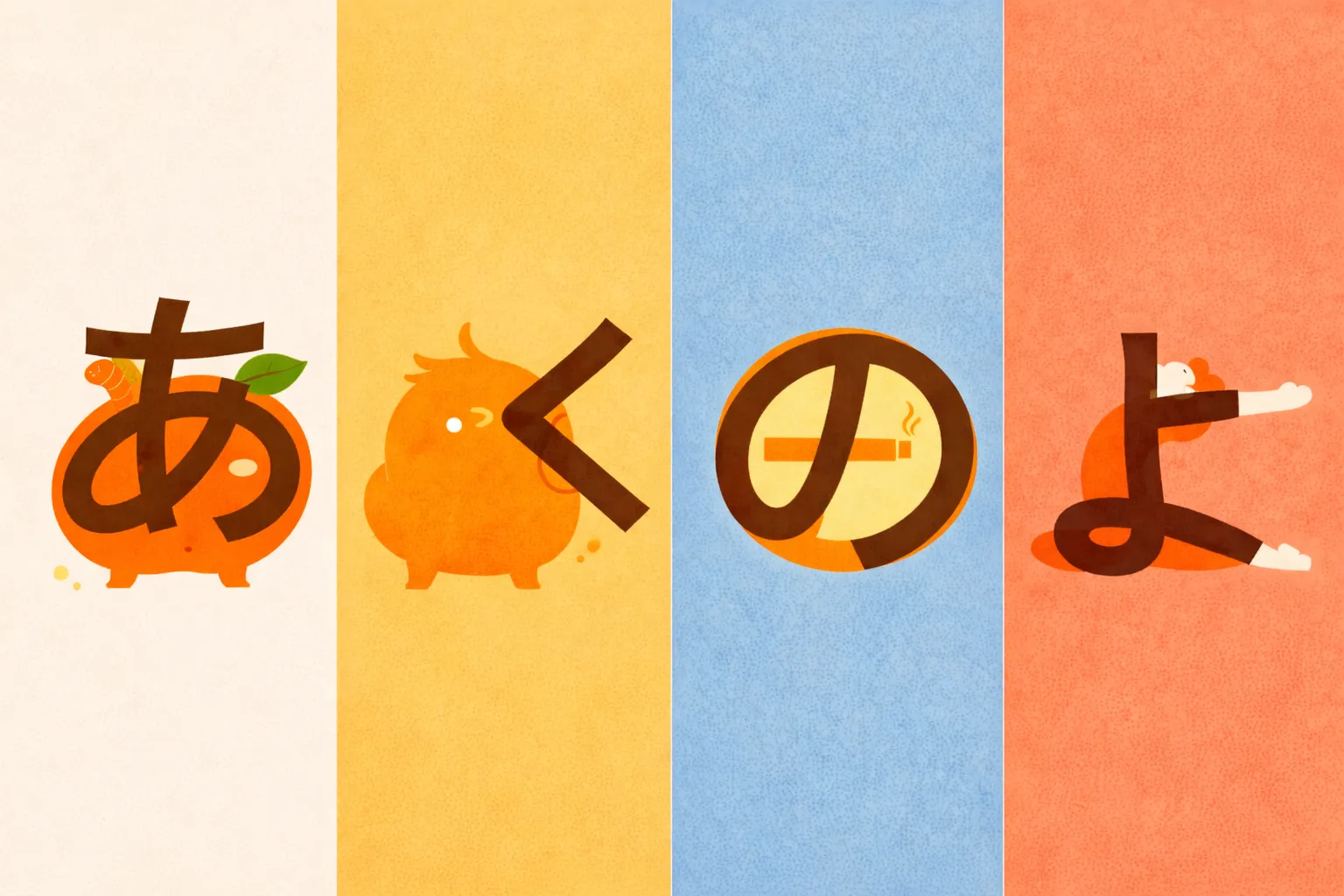
If you want to read Japanese, you must learn hiragana first.
Why Hiragana Comes First?
Hiragana forms the foundation of the Japanese writing system. Without it, you can’t understand any Japanese. Think of it like learning A-Z in English—except it serves as the foundation for reading, writing, and understanding Japanese at any level. It’s the first step to learn Japanese.
Many beginners wonder how long it takes to learn hiragana. The answer is usually much shorter than expected. With the right study method, most learners can memorize the full hiragana chart within a few days, though regular review is still necessary to remember it long term.
Of course, everyone learns at a different pace. However, if you follow the steps in this guide, you should be able to recognize and read all hiragana much sooner than you expect.
This video provides beginners with specific information and methods to acquire Hiragana:
The Three-Pillar Method for Hiragana Learning
So how do you learn hiragana in just a few days instead of weeks or months? Here are three simple things that make learning hiragana fast and easy.
Pillar 1: Visual Mnemonics
Don’t memorize abstract shapes. Instead, connect each character to a visual image. あ looks like the letter “A”. き looks like a key. Your brain remembers images instantly, not random shapes. This is why visual mnemonics work so well.
Pillar 2: Focus on Reading, Not Writing
Many courses emphasize handwriting, recognition-first tends to be much faster for beginners. That’s why learners waste months. In reality, you rarely write by hand. You need to read hiragana fast. Learning to read takes days. Learning to write takes weeks or months. As a result, focus on reading first.
Pillar 3: Consistent, Smart Practice
Practice a little every day. Don’t cram for two hours then stop for a week. Do the exercises after each section. Test yourself. The more you retrieve information, the stronger it sticks. Ultimately, consistency beats intensity.
Hiragana Basics: What You’re Learning
What Is Hiragana?
Hiragana is one of three Japanese writing systems. It has 46 basic characters. Most hiragana characters represent one sound, with the exception of ん and small っ.
Japanese also has Katakana (for foreign words) and Kanji (for meaning). But hiragana comes first. It’s the foundation.
Here’s all 46 hiragana characters you need to learn:
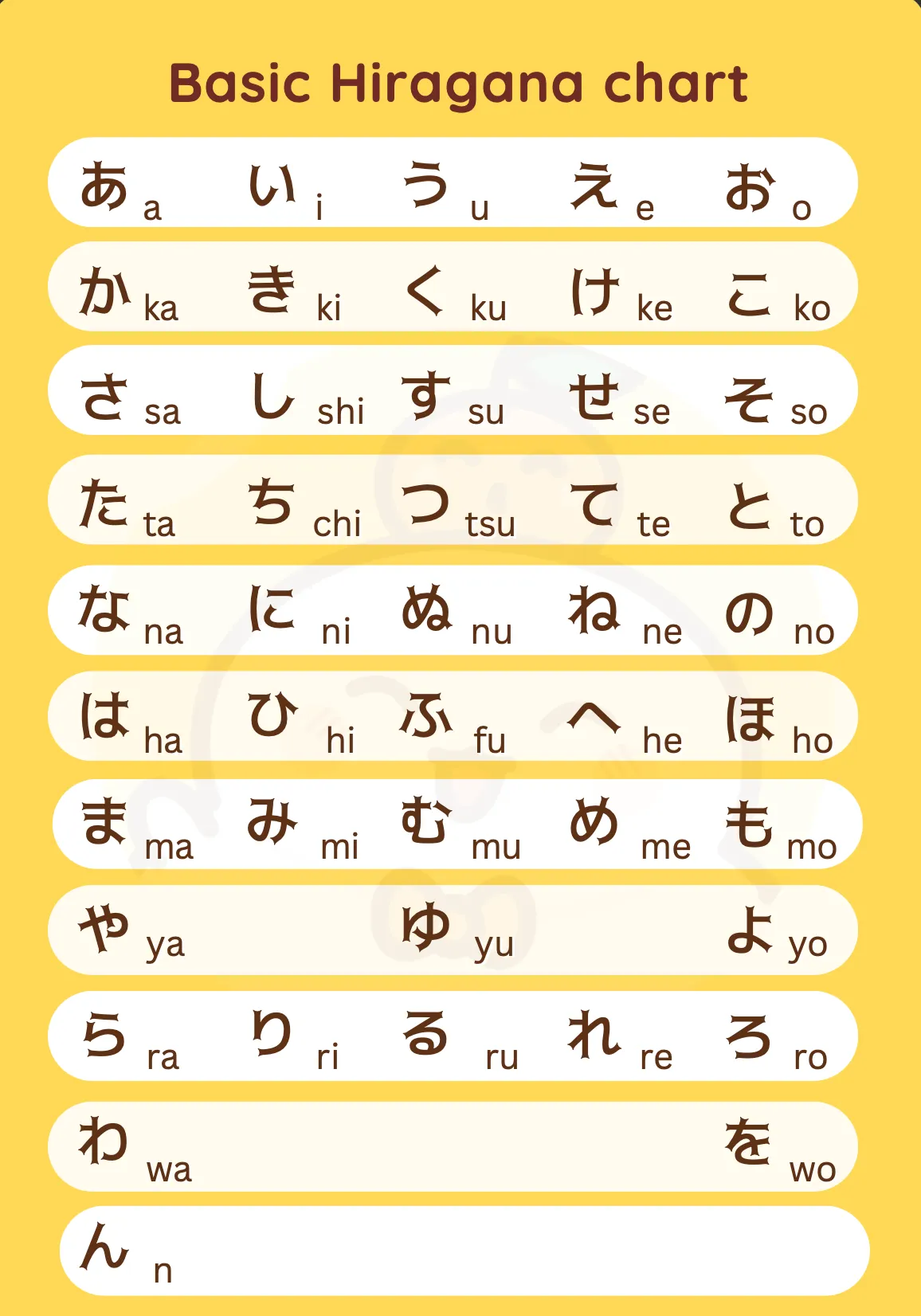
How Hiragana Works: The Simple Logic
Hiragana follows a simple pattern: Consonant + Vowel = Character
You start with 5 vowels: あ (a) | い (i) | う (u) | え (e) | お (o)
Then combine them with consonants. Each consonant pairs with all five vowels:
- K + a = か (ka)
- K + i = き (ki)
- K + u = く (ku)
- K + e = け (ke)
- K + o = こ (ko)
Do the same with S, T, N, H, M, Y, R, W. Once you understand this structure, the entire hiragana chart becomes much easier to learn.
There are only three important exceptions:
- し = shi (not si)
- ち = chi (not ti)
- つ = tsu (not tu)
The Small Tsu (っ): This character marks a pause and doubles the following consonant. For example: がっこう (gakkō) = “gak-kō” with a brief pause on the “k.”
Hiragana Pronunciation Guide: How to Say Each Character
Next, let’s look at how to pronounce the hiragana. Pronunciation is easier to learn when you can hear it, so try to listen and repeat as you go.
After learning the five vowel sounds, head to the next section to start reading hiragana.
Hiragana Mnemonics by Row: How to Remember Each Character
Now it’s time to go through the hiragana row by row. Use these mnemonics to remember each character.
A-Row: The Five Vowels (あいうえお)
あ (a)
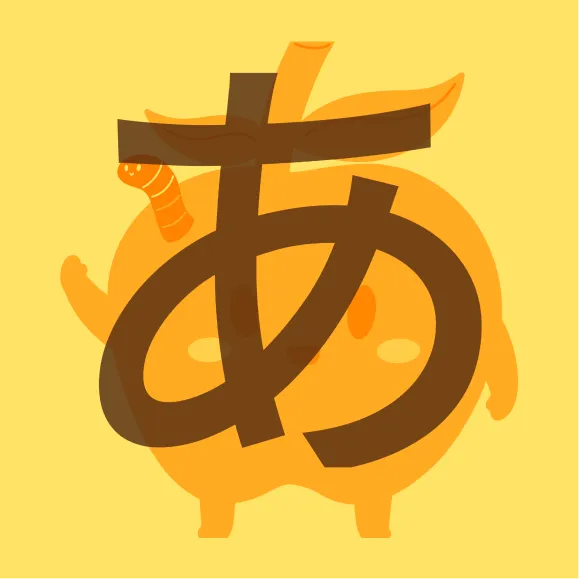
Sound: あ (a) – This kana is pronounced like “ah!” It sounds like the a in “car”
How to remember: To remember this kana, look at it and see an apple. The round, organic shape resembles a piece of fruit. Every time you see あ, picture a red apple in your mind. This simple visual will stick with you. There is another similar kana, お, but that one looks different—お is more like a UFO shape, while あ is distinctly apple-like. This difference helps you tell them apart.
い (i)

Sound: い is pronounced like “ee!” — the ee in “meet” (but shorter).
How to remember: い looks like an ear. Picture a tall ear standing upright. The simplicity is the key to remembering it. When you see い, imagine an ear listening intently.
う (u)

Sound: う is pronounced like “oo!” う, similar to the sound in moon or food.
How to remember: う looks like Mochi reacting “uh!” after getting bumped. The curved shape captures that moment of impact.
え (e)
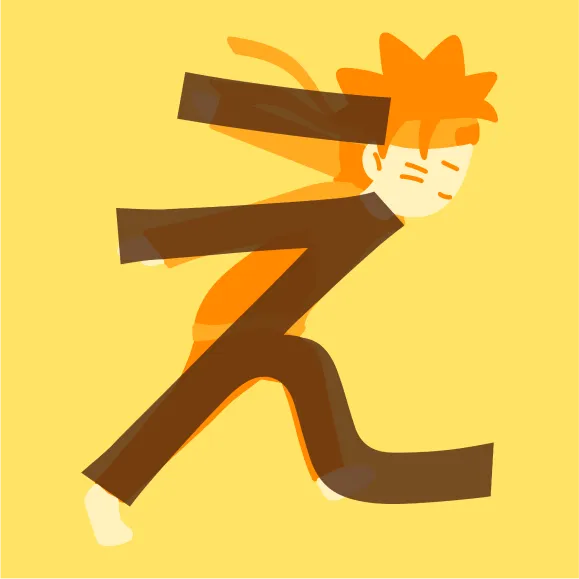
Sound: え is pronounced like “e” — the e in “get”.
How to remember: え looks like a runner leaning forward at the starting line. Imagine someone ready to start a marathon when you see え.
お (o)
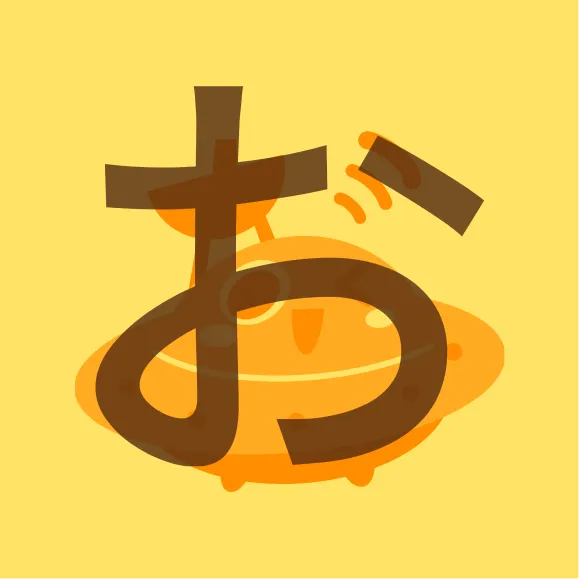
Sound: お is pronounced as “o” in “or”, but shorter.
How to remember: お looks like a UFO. The round, disc-like shape hovering in space is unmistakable. Every time you see お, imagine a UFO coming toward you. This is distinctly different from あ (apple), which is more organic.
A-Row Tasks
You’ve learned the five vowels. Now it’s time to cement them into your memory. These characters are the foundation of everything else, so mastering them now is critical.
What you need to do:
- Practice on MochiKana Quiz: Head over to MochiKana and Select only the あ/a box under the “Main Kana” list, then hit “Start Quiz!” and keep practicing until you can get them all right.
- Complete the Worksheet: Download this A-Row worksheet and fill in the romaji for each vowel. Don’t cheat – even struggling to remember helps your brain lock it in. If you’re stuck, use the mnemonics from above to recall the character. This should feel easy with only five characters, but that’s the point. Build confidence before moving forward.
K-Row: (かきくけこ)
か (ka)
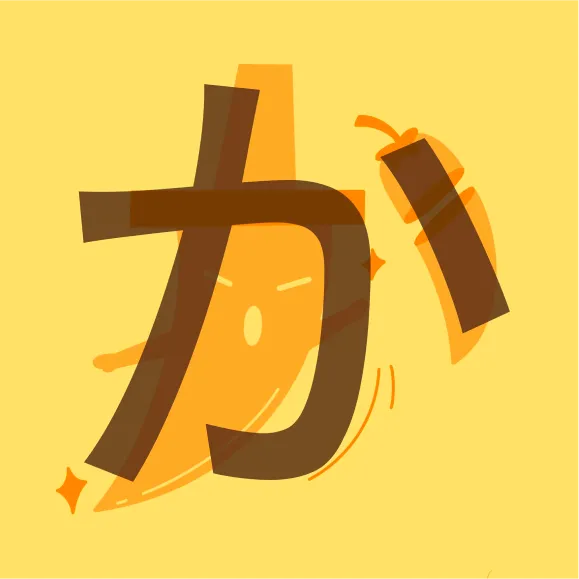
Sound: か is pronounced like “ka!” — the ca in “car” (but shorter).
How to remember: か looks like a chef’s knife. Imagine a chef quickly slicing chili peppers on a cutting board — the blade coming down in a sharp motion. Whenever you see か, picture a chef chopping chili with a sharp ka! ka! sound.
き (ki)
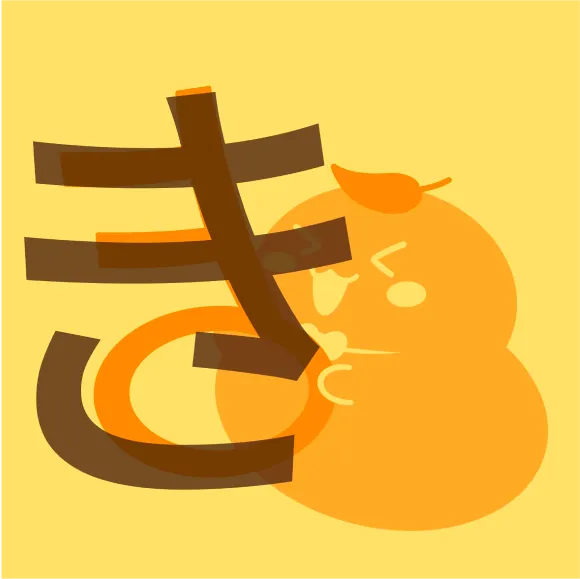
Sound: き is pronounced like “ki!” — the ki in “keep” but shorter.
How to remember: き looks like Mochi is holding a key. き looks like mochi holding a key. Picture mochi unlocking a treasure chest with a shiny key — ki! — the lock pops open.
く (ku)
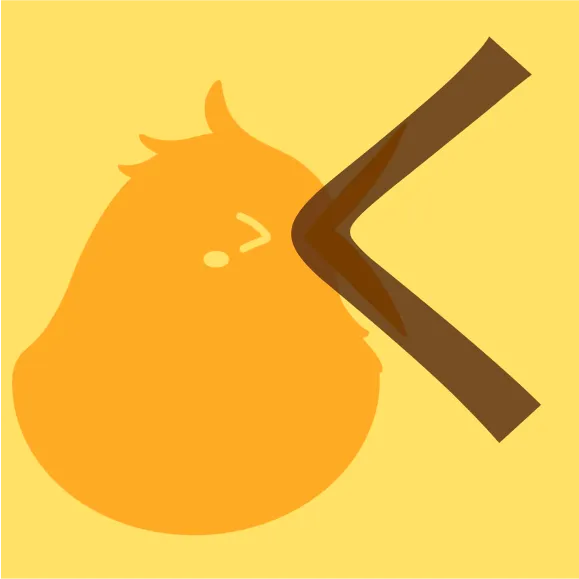
Sound: く is pronounced like “ku!” — the u in “Kuwait” (but shorter).
How to remember: く looks like a cuckoo bird’s mouth popping out saying “ku ku, ku ku!” The curved shape resembles a bird’s beak. Whenever you see く, hear the “cuckoo” sound in your head.
け (ke)

Sound: け is pronounced like “ke!” — the ke in “Kevin”.
How to remember: け looks like a cake. The curved top and base resemble a slice of cake. Picture a delicious cake whenever you see け.
こ (ko)
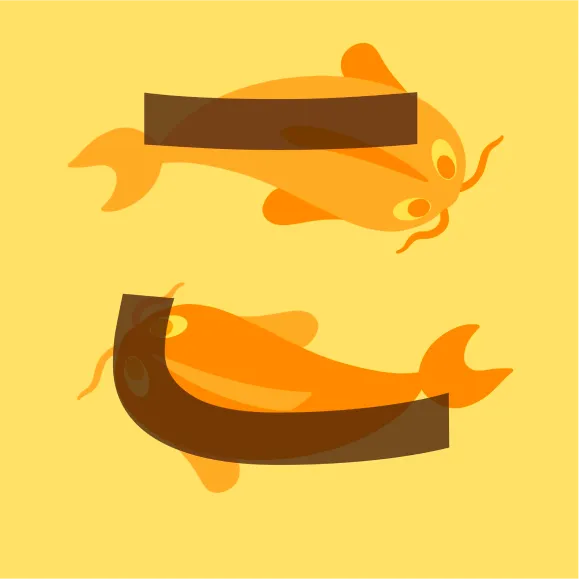
Sound: こ is pronounced like “ko!” — the ko in “koala”.
How to remember: こ resembles two koi swimming side by side. Picture two golden koi fish gliding through water. The shape captures their graceful motion.
K-Row Tasks
Now you’re moving into the consonant groups. Since, the K-row is straightforward since all five characters share the same “k” sound. Once you see this pattern, the other rows become much easier.
What you need to do:
- Practice the K-Row on MochiKana Quiz: Select か (ka), き (ki), く (ku), け (ke), こ (ko) from the K-Row list. Select only the K-Row box under the “Main Kana” list, then hit “Start Quiz!” and keep practicing until you can get them all right. Once you see this pattern, the other rows become much easier.
- Work Through the Worksheet: Print out, copy, or Download K-row worksheet and work through it carefully. You now have ten characters total (five vowels + five K-sounds). Don’t rush – accuracy matters more than speed right now. When you get stuck, reference the mnemonics above. Remember: struggle is your friend here.
S-Row: (さしすせそ)
さ (sa)
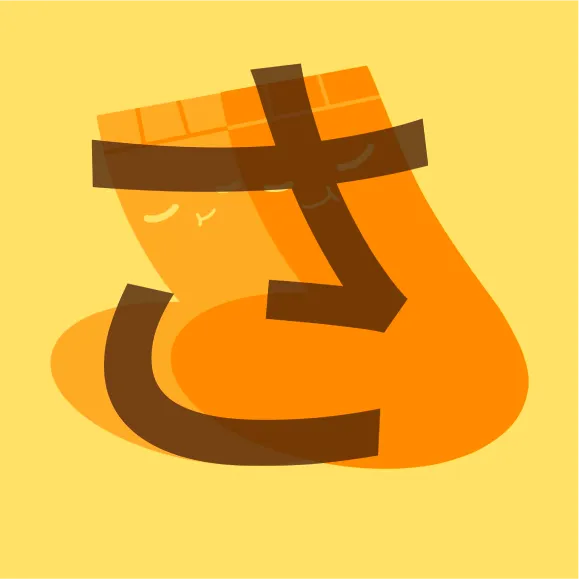
Sound: さ is pronounced like “sa!” — the sa in “sarcasm” (but shorter).
How to remember: さ looks like a pair of socks. The curved shape resembles two socks hanging on a clothesline. Picture your favorite pair of socks whenever you see さ.
し (shi)
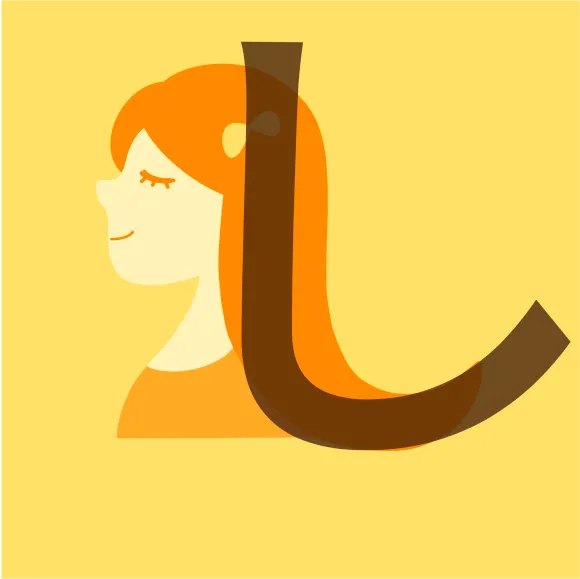
Sound: し is pronounced like “she!” (NOT “si”).
How to remember: し looks like a girl with long flowing hair. The curved lines suggest strands of beautiful hair. Picture a girl with elegant long hair whenever you see し.
す (su)
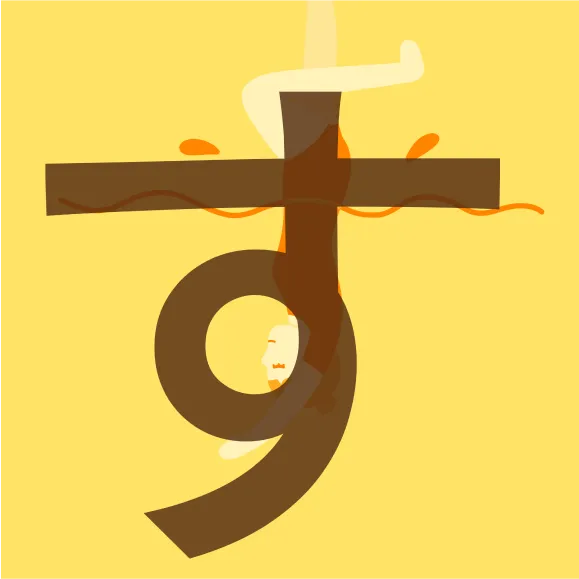
Sound: す is pronounced like “su!” — the su in “Susan” but shorter.
How to remember: す looks like a person jumping into water. The curved shape captures that moment of diving. Picture someone doing a cannonball splash.
せ (se)
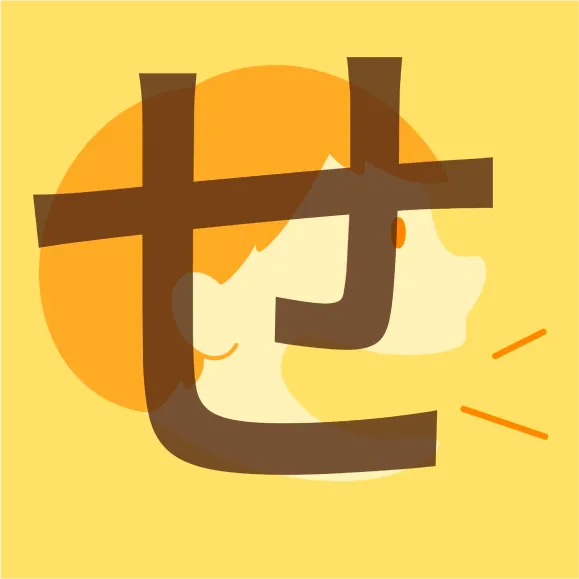
Sound: せ is pronounced like “se!” — the se in “set”.
How to remember: せ looks like a person speaking. The shape suggests an open mouth and sound coming out. Picture someone giving a speech.
そ (so)
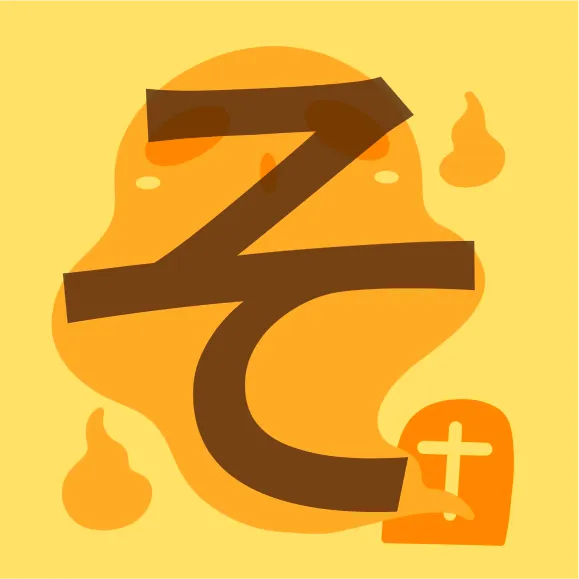
Sound: そ is pronounced like “so!” — the so in “sore” but shorter.
How to remember: そ resembles a soul. The ethereal, flowing shape suggests something spiritual and intangible. Picture a soul drifting through space.
S-Row Tasks
The S-row introduces し (shi), your first exception to the normal pronunciation pattern. This is important – pay close attention to how し sounds different from what you’d expect.
What you need to do:
- Practice the S-Row on MochiKana Quiz: Go to MochiKana and select the S-row characters (さ, し, す, せ, そ). Pay special attention to し (shi). Listen to the native pronunciation multiple times. Your ear needs to lock in that “shi” sound, not “si.”
- Complete the S-Row Worksheet: Download and work through the worksheet. You’re now at 15 characters total. The exception shouldn’t slow you down – just remember that し is “shi” and you’re golden. Use the mnemonic if you forget: smooth, flowing water.
T-Row: (たちつてと)
た (ta)
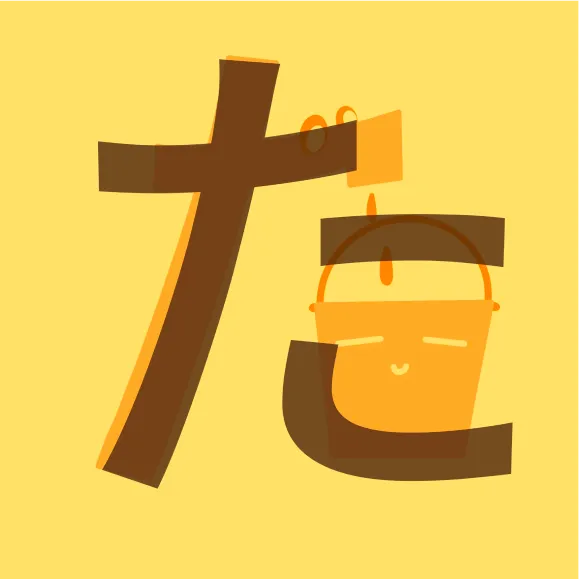
Sound: た is pronounced like “ta!” — the ta in “tar” but shorter.
How to remember: た looks like a tap and a handwashing basin. The curved shape resembles a faucet or washbasin. Picture washing your hands at a sink.
ち (chi)
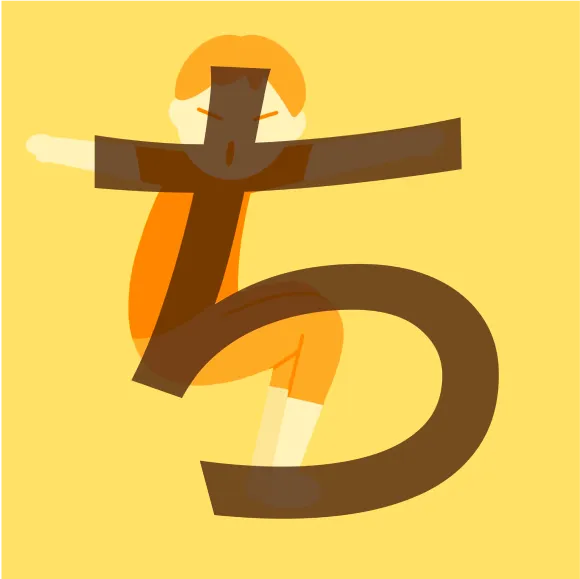
Sound: ち is pronounced like “chee!” — the chee in “cheek”, but shorter.
How to remember: ち looks like someone doing a yoga pose. The shape suggests flexibility and stretch. Picture someone in a yoga pose whenever you see ち.
つ (tsu)
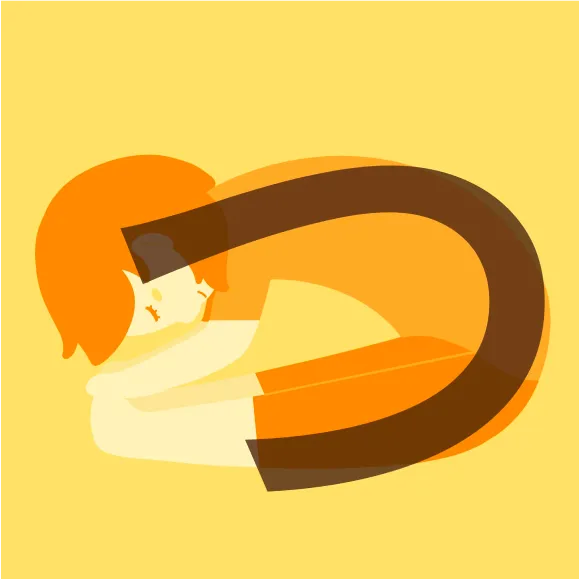
Sound: つ is pronounced like “tsu!” — the tsu in tsunami.
How to remember: つ looks like someone leaning back in a deep stretch. Imagine a person bending their back and stretching with a little “tsu!” sound as they push their chest upward.
て (te)

Sound: て is pronounced like “te!” — the te in ten.
How to remember: て looks like someone doing a yoga stretch with their arms reaching back. Imagine a person leaning forward while stretching their arms behind them, holding the pose.
と (to)
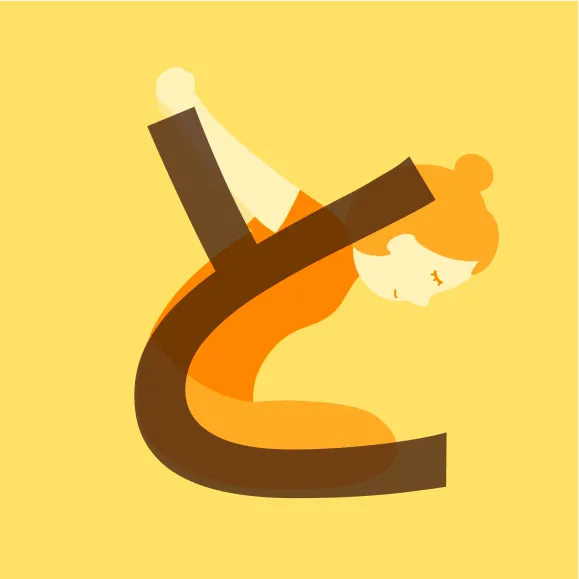
Sound: と is pronounced like “to!” — the to in “toe”.
How to remember: と resembles a yoga pose with hands reaching back. The shape is similar to て. Picture someone in a stretching pose whenever you see と.
T-Row Tasks
The T-row throws two exceptions at you: ち (chi) and つ (tsu). Neither follows the expected pattern, and both are crucial to Japanese. This is where many learners struggle, so take your time here.
What you need to do:
- Master the Exceptions First: Head to MochiKana Quiz and focus specifically on ち (chi) and つ (tsu). Listen to native speakers say these sounds. Your brain needs to override its instinct to say “ti” and “tu” and replace it with “chi” and “tsu.” Do this repeatedly until it feels natural.
- Tackle the Worksheet: Download the T-row worksheet. You’re at 20 characters now – a solid milestone. These two exceptions are famous for being tricky, so if you need to spend extra time here, do it.
N-Row: (なにぬねの)
な (na)
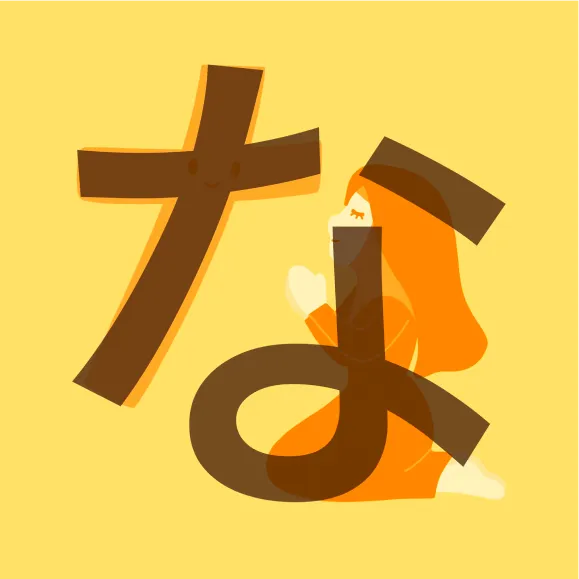
Sound: な is pronounced like “na!” — the na in “narcotic” (but shorter).
How to remember: な looks like a sister kneeling and praying before a cross. The shape suggests reverence and spirituality. Picture someone in a moment of prayer.
に (ni)
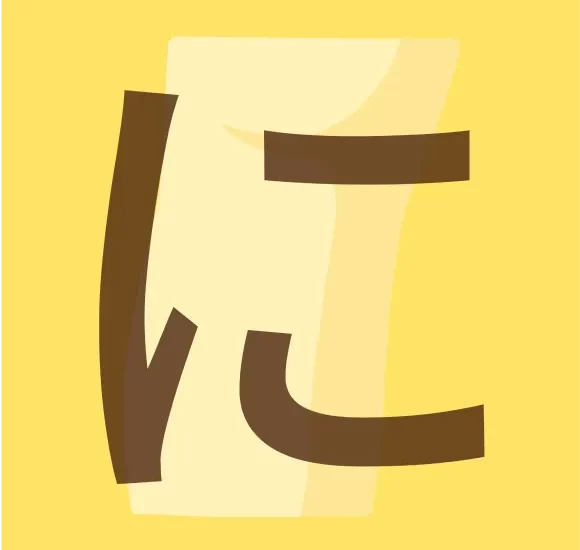
Sound: に is pronounced like “nee,” similar to “need,” but shorter.
How to remember: に looks like a knee. The curved shape resembles a bent knee. Picture your knee whenever you see に.
ぬ (nu)
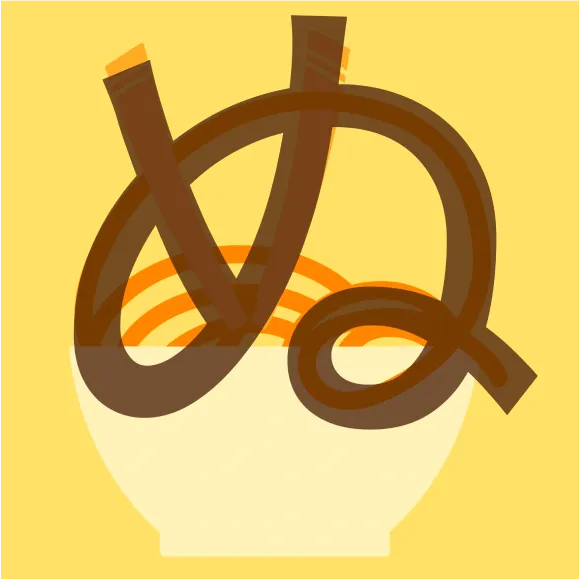
Sound: ぬ is pronounced like “noo!” — the noo in “noon” (but shorter).
How to remember: ぬ looks like a bowl of ramen. The curved shape resembles a steaming bowl of noodles. Picture delicious ramen whenever you see ぬ.
ね (ne)
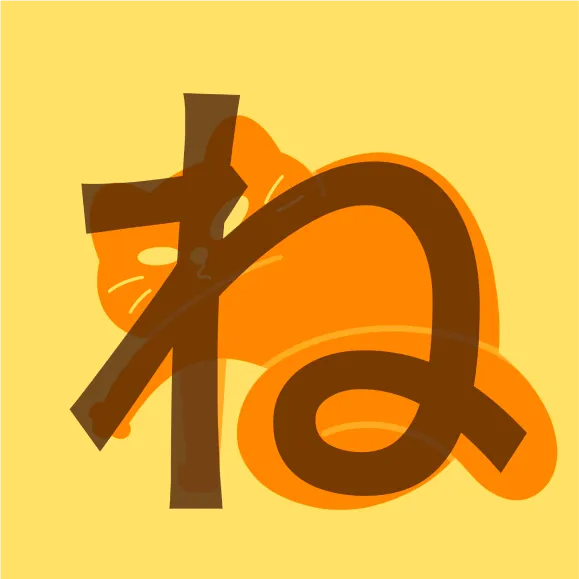
Sound: ね is pronounced like “ne!” — the ne in “net”.
How to remember: ね looks like a sleeping cat. The curved shape resembles a cat curled up. Picture a cozy cat taking a nap.
の (no)
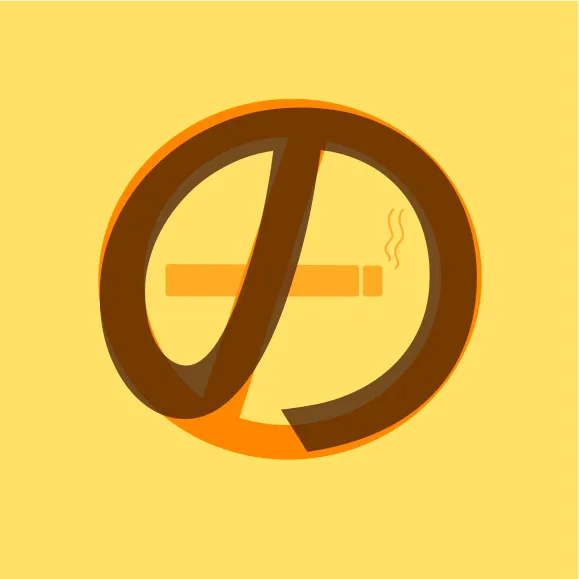
Sound: の is pronounced like “no!” — the no in “north”, but shorter.
How to remember: の looks like a “No” sign. The oval shape resembles a prohibit sign. Picture a “no entry” sign whenever you see の.
N-Row Tasks: Smooth Sailing
The N-row is straightforward – no exceptions, no tricks. All five characters follow the pattern perfectly: n-sound + vowel. This should feel like a breather after the T-row exceptions.
What you need to do:
- Practice the N-Row: Select the N-row (な, に, ぬ, ね, の) on MochiKana Quiz . Since there are no exceptions here, focus on speed and recognition. You’re 25 characters in now, and your pattern recognition should be getting sharper.
- Complete the Worksheet: Work through the N-row worksheet. This should feel noticeably easier than the previous rows because there’s no exception to trap you. Use this as a confidence builder before moving to the H-row.
H-Row: (はひふへほ)
は (ha)
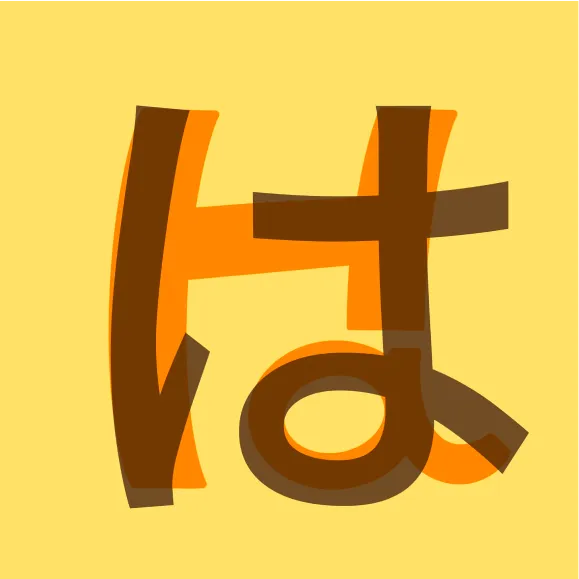
Sound: は is pronounced like “ha!” — the ha in “harm”, but shorter.
How to remember: は looks exactly like the letter “Ha”. The shape is straightforward. Picture the letter H whenever you see は.
ひ (hi)
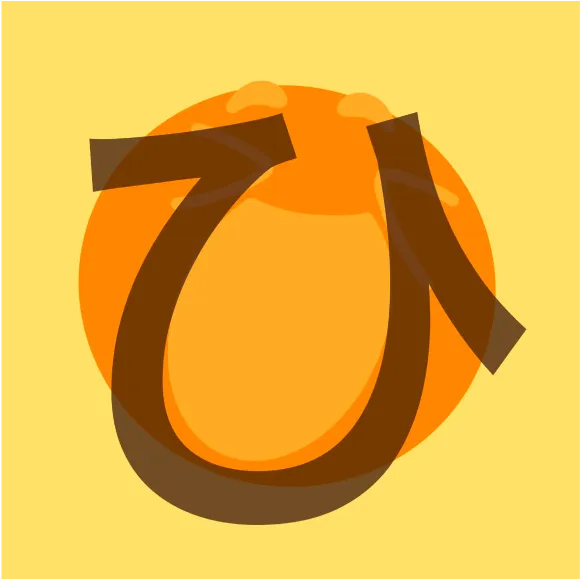
Sound: ひ is pronounced like “hea!” — the hea in “heat” (but shorter).
How to remember: ひ looks like the face of a person smiling brightly. The shape captures a happy expression. Picture a smiling face whenever you see ひ.
ふ (fu)
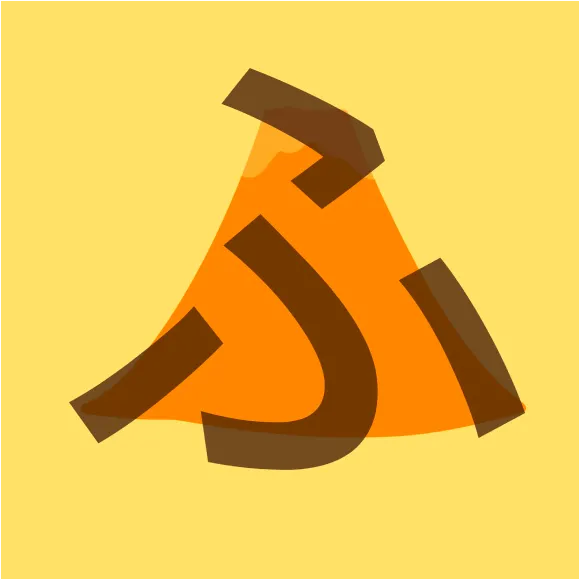
Sound: ふ is pronounced like “foo!” — the foo in “fool”, but with softer “f”.
How to remember: ふ looks like the shape of Mount Fuji, with its broad base and pointed peak. Picture the famous mountain standing tall whenever you see ふ.
へ (he)
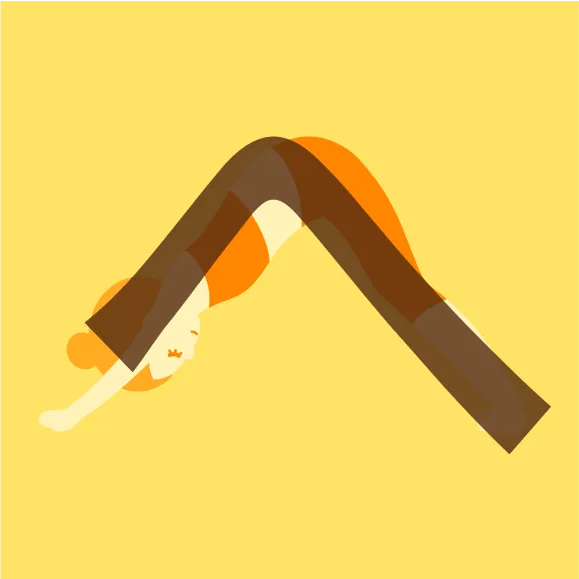
Sound: へ is pronounced like “he!” — the he in “heaven”.
How to remember: へ looks like someone bending forward in a simple yoga pose. Imagine a person folding their body forward in a stretch whenever you see へ
When へ is used as a particle, it is pronounced “e”, not “he.”
Example:
とうきょうへいきます。
Tōkyō e ikimasu.
→ “I go to Tokyo.”
ほ (ho)
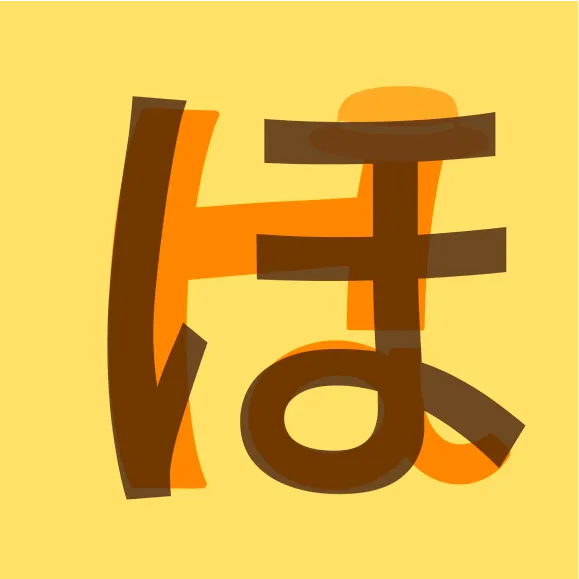
Sound: ほ is pronounced like “ho!” — the ho in “hold”.
How to remember: ほ looks like the letter は with a hat. Picture the character は wearing a cute hat. This helps you distinguish it from は.
When は is used as a particle, it is pronounced “wa”, not “ha.”
Example:
わたしはがくせいです。
Watashi wa gakusei desu.
→ “I am a student.”
H-Row Tasks
The H-row is mostly straightforward, but ふ (fu) has a special pronunciation that doesn’t exist in English. It’s halfway between “f” and “h,” and it takes practice to nail. Don’t rush this one.
What you need to do:
- Focus on Fu Pronunciation: Go to MochiKana Quiz and practice the H-row, paying special attention to ふ (fu). Listen to how native speakers say it – it’s softer than English “f.” Your mouth should barely move. This sound is unique, so give it extra attention.
- Work Through tzhe Worksheet – Download the H-row worksheet. You’re at 30 characters total now. The mnemonic for ふ (fu) is flowing movement – use that to recall it. With ふ (fu) handled, the rest of the H-row should click quickly.
M-Row: (まみむめも)
ま (ma)
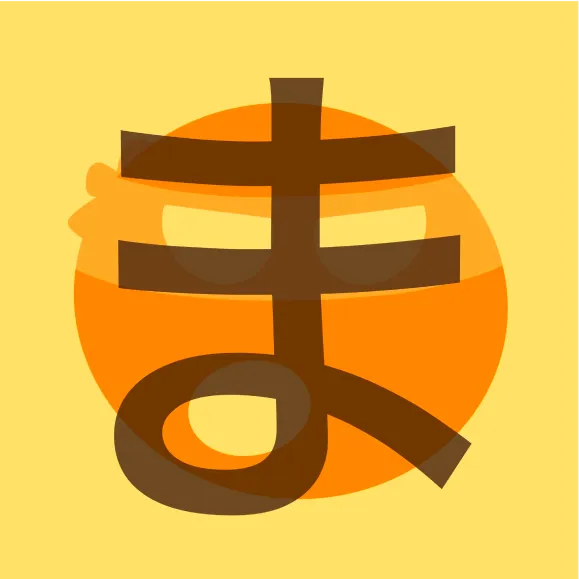
Sound: ま is pronounced like “ma!” — the ma in “mark”, but shorter.
How to remember: ま looks like a face wearing a mask. The curved shape resembles facial features with a mask. Picture someone wearing a theatrical mask.
み (mi)
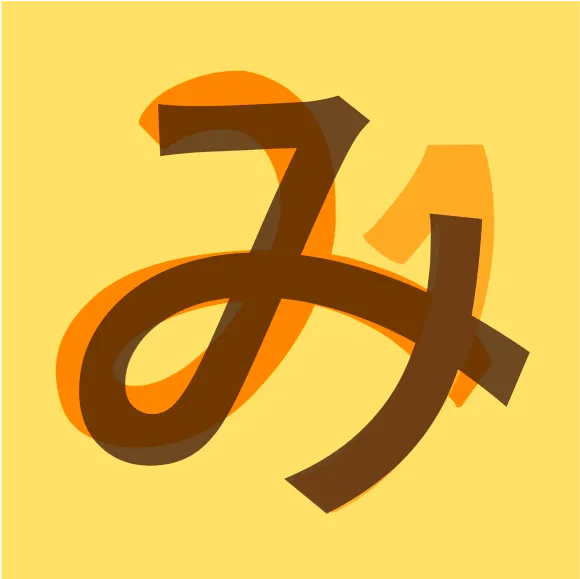
Sound: み is pronounced like “mea!” — the mea in “meat”, but shorter.
How to remember: み looks like the number 21. The shape clearly resembles two stacked curved lines. Picture the number 21 whenever you see み.
む (mu)
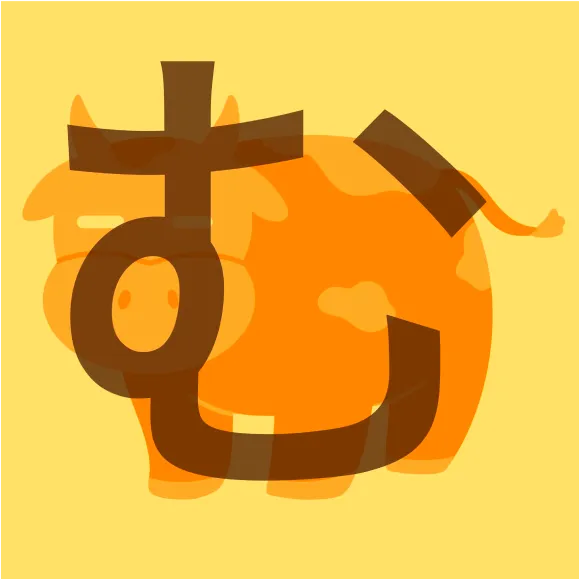
Sound: む is pronounced like “moo!” — the moo in “moon” (but shorter).
How to remember: む looks like a cow’s face with its mouth open. Imagine a cow leaning forward and saying “moo!” whenever you see む.
め (me)
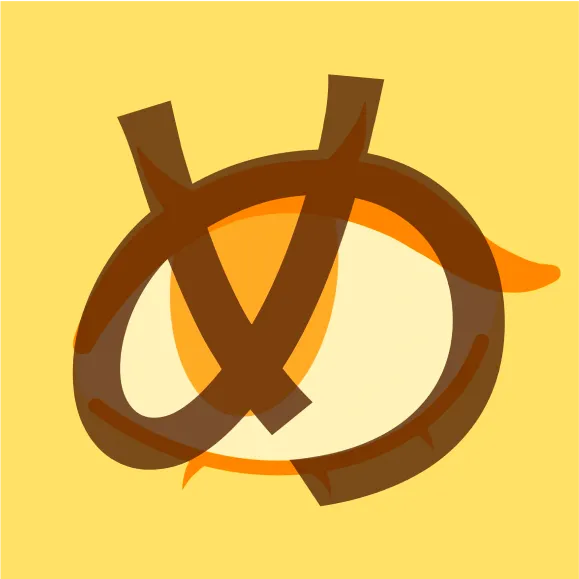
Sound: め is pronounced like “me!” — the me in “Mexico”.
How to remember: め looks like an eye with a circular shape and a line across it. Imagine a big eye looking around whenever you see め.
も (mo)
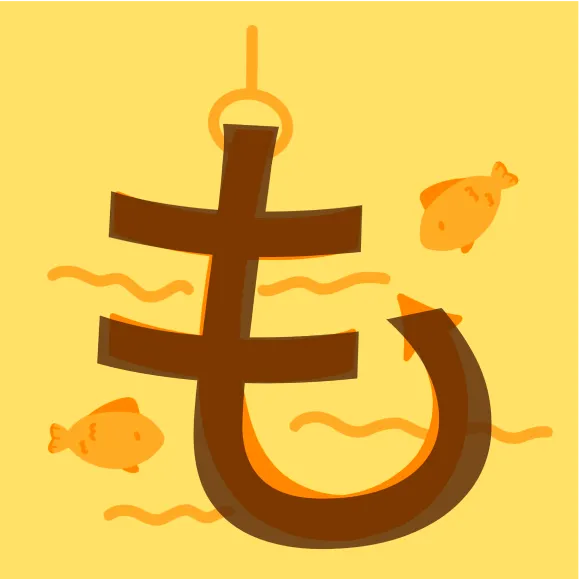
Sound: も is pronounced like “mo!” — the mo in “more”.
How to remember: も looks like a curved fishing hook. Imagine a hook dropping into the water, ready to catch a fish whenever you see も.
M-Row Tasks
The M-row is clean – no exceptions, no tricky sounds. Just five solid characters that follow the pattern. You’re cruising now, and you should feel your recognition speed picking up.
What you need to do:
- Practice the M-Row with Confidence: Select the M-row on MochiKana Quiz (ま, み, む, め, も). No surprises here. Focus on speed. By now you should be getting characters right without much hesitation.
- Complete the M-Row Worksheet: Copy, print out, or download it and write in all the boxes.
Y-Row: (やゆよ)
や (ya)
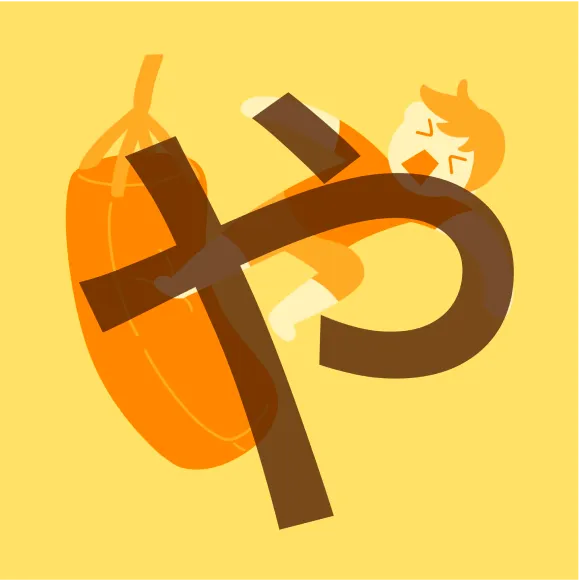
Sound: や is pronounced like “ya!” — the ya in “yard” (but shorter).
How to remember: や looks like a kid lifting his leg to kick a punching bag. Imagine the kick swinging forward and hitting the bag — ya! — whenever you see や.
ゆ (yu)

Sound: ゆ is pronounced like “you!” — the you in “youth”.
How to remember: ゆ looks like a unicorn’s face. The magical horn and head shape are whimsical. Picture a mystical unicorn whenever you see ゆ.
よ (yo)
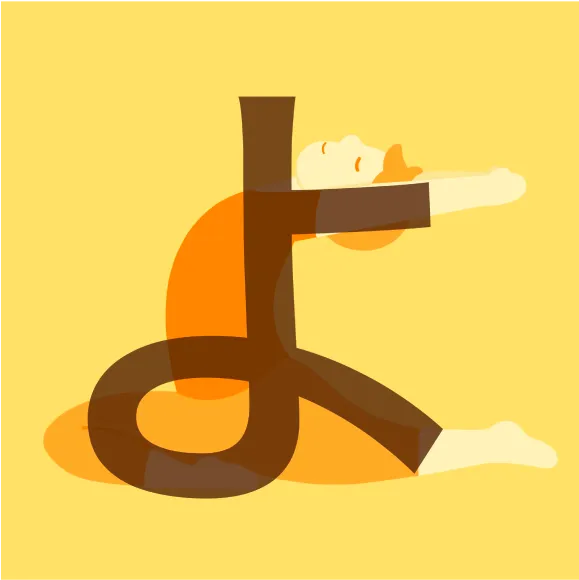
Sound: よ is pronounced like “yo!” — the yo in “New York” (but shorter).
How to remember: よ looks like a yoga stretch pose. The shape suggests flexibility and balance. Picture someone doing yoga whenever you see よ.
Y-Row Tasks
Here’s the easiest row of them all – just three characters. The Y-row is your reward for making it this far. These should click almost immediately.
What you need to do:
- Quick Practice on MochiKana Quiz: Select the Y-row (や, ゆ, よ). Three characters. This will take you about two minutes of focused practice. Seriously, this is the easiest row.
- Fill Out the Worksheet: Download the Y-row worksheet. You’re at 38 characters now. This worksheet should take you maybe five minutes. Enjoy the speed and confidence boost.
You’re on the home stretch. Two more rows and you’re done.
R-Row: (ら り る れ ろ)
Note: The Japanese R is different from English. It’s softer. Your tongue barely touches the roof of your mouth.
ら (ra)
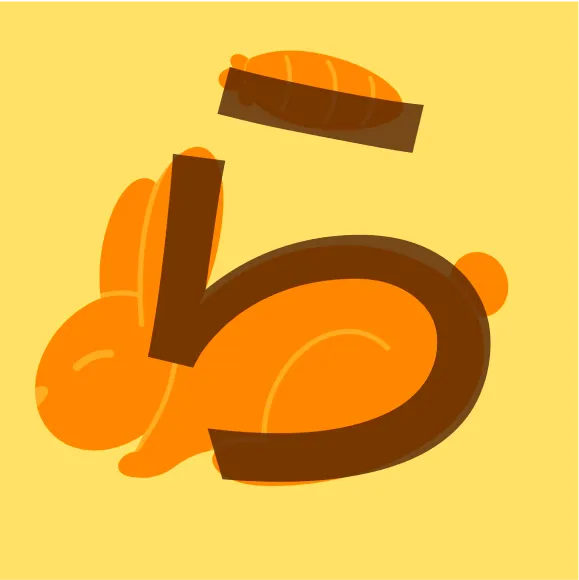
Sound: ら is pronounced like “ra” in “ramen,” with a light Japanese R sound.
How to remember: ら looks like a rabbit curled up while sleeping. Imagine a fluffy rabbit resting quietly whenever you see ら.
り (ri)
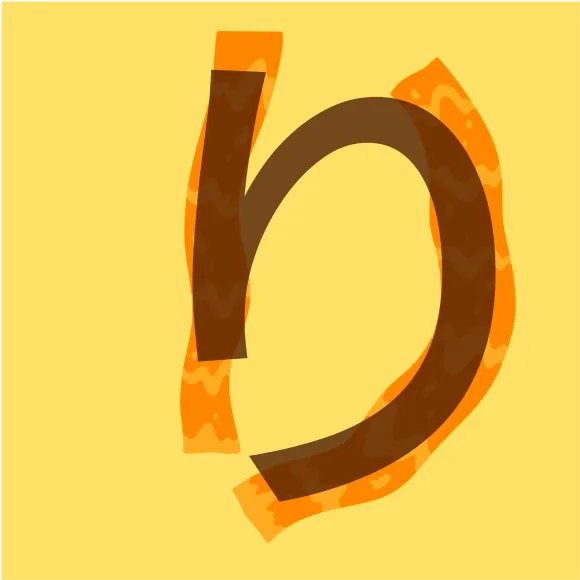
Sound: り is pronounced like “ri!” — the ri in “ring”.
How to remember: り looks like two rivers flowing side by side. The flowing curves resemble water movement. Picture water flowing.
る (ru)
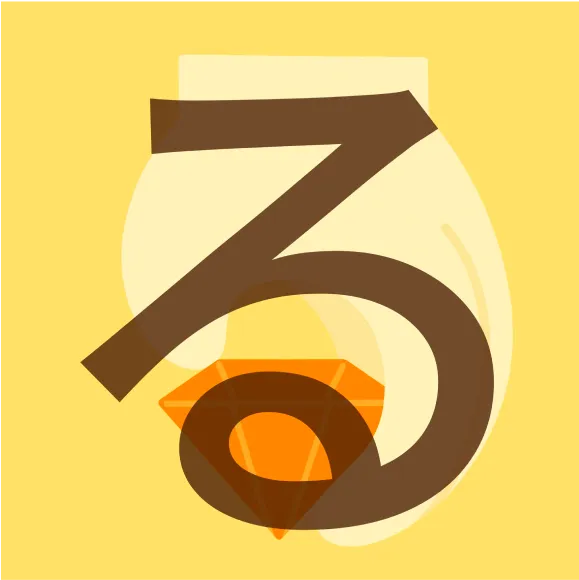
Sound: る is pronounced like “ru!” — the ru in “ruby”.
How to remember: る looks like a hand holding a ruby. The shape resembles a hand grasping something precious. Picture a jewel in your palm.
れ (re)
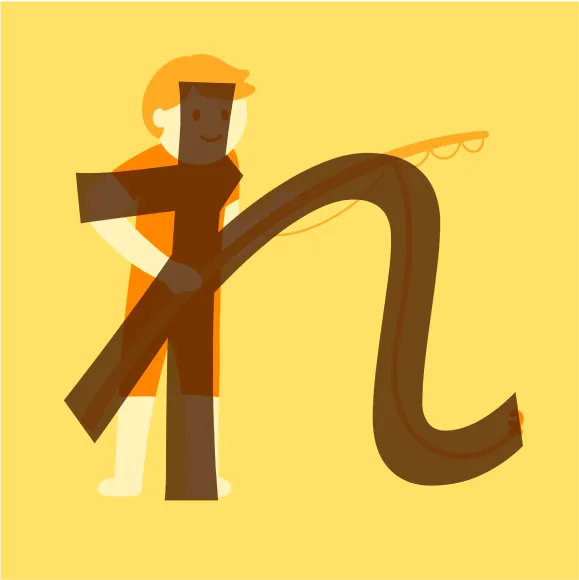
Sound: れ is pronounced like “re!” — the re in “red”.
How to remember: れ looks like someone is fishing. The curved shape resembles a fishing rod. Picture casting a line into water.
ろ (ro)
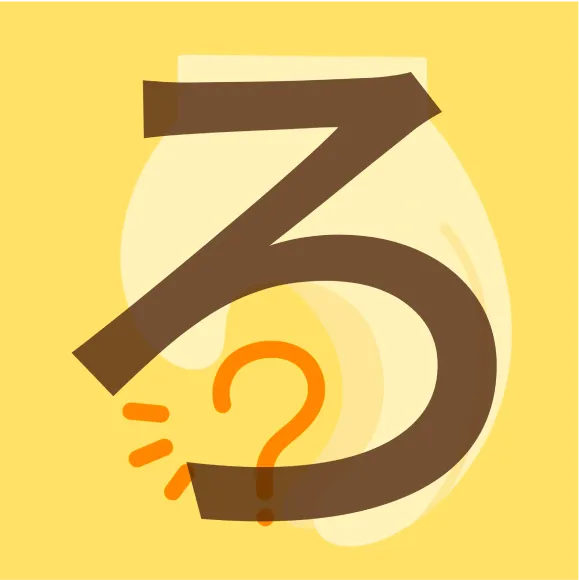
Sound: ろ is pronounced like “ro!” — the ro in “roar”, but shorter.
How to remember: ろ looks like a hand that lost the ruby. Picture a hand reaching for something no longer there, creating a poignant contrast with る.
W-Row & Final Character: (わをん)
わ (wa)
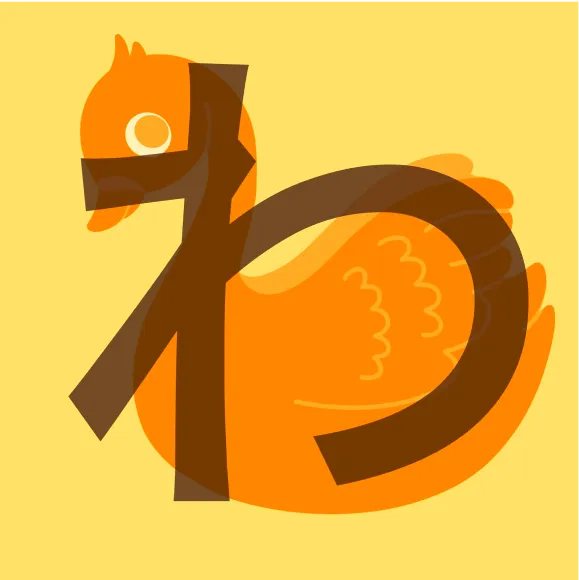
Sound: わ is pronounced like “wa!” — the wa in “water”.
How to remember: わ looks like a swan with its long neck curved gracefully. Imagine a swan gliding across the water whenever you see わ.
を (wo)
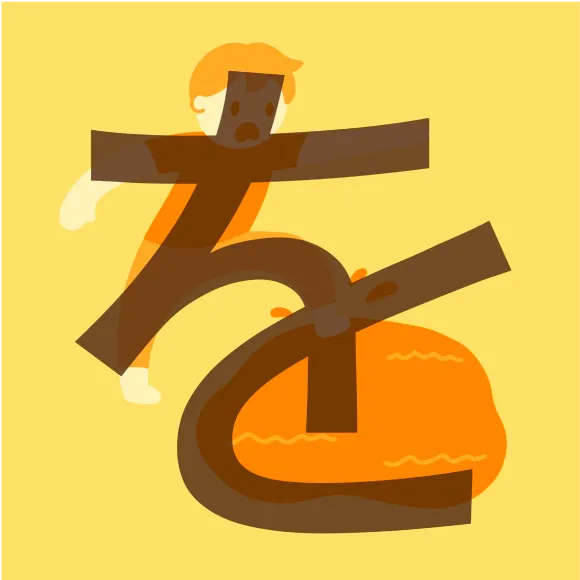
Sound: を is usually pronounced “o”- the o in “or”, but shorter and mainly used as the object particle.
How to remember: を looks like someone stepping into a puddle. Imagine a foot landing in the water with a little splash whenever you see を.
When を is used as a particle, it is pronounced “o.”
Example:
りんごをたべます。
Ringo o tabemasu.
→ “I eat an apple.”
ん (n)
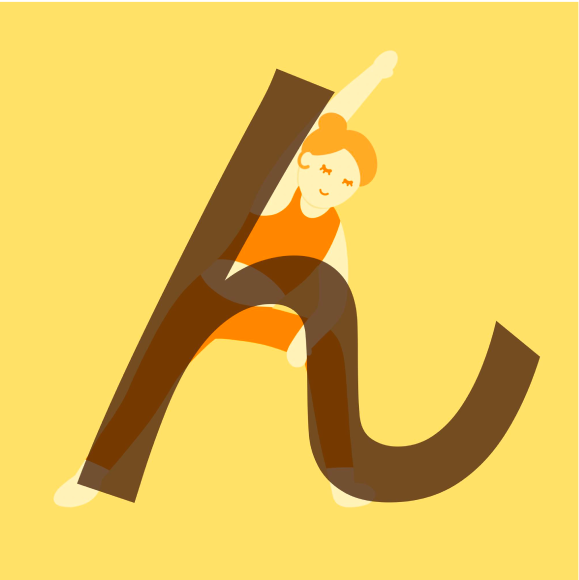
Sound: ん is pronounced like the “n” in “sin.” It’s a nasal sound that may change slightly depending on the following sound.
How to remember: ん looks like someone bending slightly during a warm-up stretch. Imagine a person leaning forward and loosening up before exercise whenever you see ん.
W-Row Task
You’re almost there. The W-row has just three characters, and then you hit ん (n) – the final character. This is your victory lap.
What you need to do:
- Practice the Final Characters on MochiKana Quiz: Select the W-row plus ん (わ, を, ん). These three characters complete the entire hiragana set. By now, you should be flying through them. You’re at 46 characters total.
- Complete the Final Worksheet: W-Row worksheet, fill in all the blanks.
You did it. All 46 characters are now in your brain. But don’t stop here – the next section is where you consolidate everything.
Modified Characters: The Extensions
Dakuten – Add Two Dots (゛)
Dakuten is the small symbol that looks like this → ゛.
When this mark is added to certain hiragana, the pronunciation changes. The consonant becomes voiced, meaning your vocal cords vibrate when you produce the sound.
Let’s take a closer look at how these changes work.
Handakuten – Add a Circle (゜)
Besides dakuten, there’s another small mark you’ll see: handakuten (゜). It looks like a tiny circle placed at the top right of a character.
When this circle is added to H-row kana, their sound changes from H to P.
To make things easier to see, here’s a quick overview of how dakuten and handakuten change hiragana sounds.
| Base | Dakuten (゛) | Handakuten (゜) | Sound Change |
| か | が | — | ka → ga |
| き | ぎ | — | ki → gi |
| く | ぐ | — | ku → gu |
| け | げ | — | ke → ge |
| こ | ご | — | ko → go |
| さ | ざ | — | sa → za |
| し | じ | — | shi → ji |
| す | ず | — | su → zu |
| せ | ぜ | — | se → ze |
| そ | ぞ | — | so → zo |
| た | だ | — | ta → da |
| ち | ぢ | — | chi → ji |
| つ | づ | — | tsu → zu |
| て | で | — | te → de |
| と | ど | — | to → do |
| は | ば | ぱ | ha → ba / pa |
| ひ | び | ぴ | hi → bi / pi |
| ふ | ぶ | ぷ | fu → bu / pu |
| へ | べ | ぺ | he → be / pe |
| ほ | ぼ | ぽ | ho → bo / po |
Yoon – Combine Small Y Characters
When a kana from the i-row combines with small ゃ, ゅ, or ょ, the sounds blend together.
Examples:
- き + や → きゃ (kya)
- し + ゆ → しゅ (shu)
| Base | ゃ (ya) | ゅ (yu) | ょ (yo) |
| き (ki) | きゃ (kya) | きゅ (kyu) | きょ (kyo) |
| し (shi) | しゃ (sha) | しゅ (shu) | しょ (sho) |
| ち (chi) | ちゃ (cha) | ちゅ (chu) | ちょ (cho) |
| に (ni) | にゃ (nya) | にゅ (nyu) | にょ (nyo) |
| ひ (hi) | ひゃ (hya) | ひゅ (hyu) | ひょ (hyo) |
| み (mi) | みゃ (mya) | みゅ (myu) | みょ (myo) |
| り (ri) | りゃ (rya) | りゅ (ryu) | りょ (ryo) |
Common Mistakes – How to Avoid Them
When learning hiragana, beginners tend to run into the same problems. If you know about them early, they’re easy to avoid.
Mistake 1: Mixing Up Similar Characters
Some hiragana look very similar at first. For example:
- さ vs き
- ち vs さ
- れ vs ね
Instead of reviewing them separately, study them side by side.
Seeing the differences together makes them much easier to remember.
Mistake 2: Forgetting the Exceptions
Most hiragana follow a clean pattern, but a few characters break it:
- し → shi (not si)
- ち → chi (not ti)
- つ → tsu (not tu)
These three appear often in Japanese, so it’s worth reviewing them a little more until they become automatic.
Mistake 3: Studying Without a Structure
Jumping randomly between characters can slow you down.
A better approach is learning by row:
- A-row → あいうえお
- K-row → かきくけこ
- S-row → さしすせそ
This helps your brain recognize the sound patterns in the system.
Mistake 4: Ignoring Pronunciation
It’s easy to focus only on recognizing the characters. But hiragana represents sounds, not just shapes.
Make sure you also:
- Listen to native pronunciation
- Say the sounds out loud
- Repeat them while studying
Using your eyes, ears, and voice together helps the characters stick much faster.
Mistake 5: Not Reviewing at the Right Time
Short reviews spaced over time work best:
5 minutes → 10 minutes → 30 minutes → 1 day → a few days → 1 week
People call this method spaced repetition. Instead of reviewing randomly, you review characters right before you’re about to forget them. This timing dramatically improves long-term memory.
Many flashcard apps are built around this idea. For example, Mochi uses a system called “Golden Time” to notify you when it’s the best moment to review a card. By studying at these optimal moments, you can remember characters much more efficiently.
Additional Practice
Now that you’ve learned the hiragana characters, the next step is simple: practice.
You don’t need to study for hours. In fact, short sessions spaced out over several days work much better than cramming everything at once.
Try practicing a little each day while you continue learning other parts of Japanese.
Worksheets
One of the most effective ways to reinforce hiragana is by practicing with simple sentences. Working through basic exercises helps you recognize characters more quickly, see how hiragana appears in real context, and connect the written characters with their corresponding sounds. Over time, this kind of practice makes reading hiragana feel much easier.
Apps & Online Practice
Digital tools can also make hiragana practice much more effective. One of the best ways to remember characters is by using mnemonics—simple memory tricks that help you connect shapes with sounds.
Apps like MochiKana do a great job applying this method. Instead of memorizing characters through repetition alone, the app helps you remember them through visual mnemonics and structured reviews.
Real-World Practice
Another great way to practice is simply by reading real Japanese text.
You don’t need to understand everything. Just focus on spotting and reading the hiragana you recognize.
Beginner-friendly resources like NHK NEWS WEB EASY are perfect for this. Over time you’ll also start recognizing the difference between:
- Hiragana
- Katakana
- Kanji
This is an important skill for reading Japanese.
What’s Next?
Hiragana is just the first step. Here are some good directions to continue your Japanese learning.
Kanji
Now that you’ve learned hiragana, the next step is kanji.
Many learners think they should wait before starting kanji, but that often slows down their progress. In fact, Kanji appears in almost every Japanese sentence, and becoming comfortable with it early makes reading, vocabulary, and grammar much easier.
Of course, kanji has a reputation for being difficult. Trying to memorize characters one by one can quickly become overwhelming.
That’s why structured learning methods are so helpful. Approaches that use mnemonics and spaced repetition make kanji far more manageable. Tools like MochiKanji are built around this idea, helping learners remember characters more effectively without relying on brute-force memorization.
Katakana
Alongside kanji, it’s also worth learning katakana, the second Japanese phonetic script.
Katakana doesn’t appear as often as hiragana, especially at the very beginning of learning Japanese, but it’s still common enough that you shouldn’t ignore it. It’s mainly used for loanwords, foreign names, and brand names.
To continue building your reading foundation, check out our Katakana Guide
Grammar
Once you know hiragana (and maybe a bit of kanji), you can start learning basic Japanese grammar. Grammar will allow you to move from reading individual characters to understanding real sentences.
Conclusion
Hopefully this guide helped you learn hiragana in a clear and manageable way. Like any new skill, the key is consistent practice. The more you read and review, the more familiar the characters will become.
Now that you know hiragana, you have the foundation needed to begin exploring the rest of the Japanese language. Whether you’re studying vocabulary, grammar, or kanji, hiragana will appear everywhere along the way.



Pingback: Japanese Learning Resource: Best Tools to Start Learning Today - Kanji123
Pingback: Kanji Radicals: What They Are and How to Find Them
Pingback: Japanese Pronunciation: The Ultimate Guide - Kanji123
Pingback: Learn Hiragana and Katakana With The Best Free Resources
Pingback: How Long Does it Take to Learn Hiragana?
Pingback: Learn Katakana: Step-by-Step Guide for Beginners with Kanji123 - Kanji123
Pingback: How to learn Katakana: The complete guide - Kanji123