You just ate or just bought a car. How do you say any of that in Japanese? Good news: bakari japanese grammar gives you exactly the tool you need. Specifically, ばかり (bakari) is one of the most natural ways to say you just did something. However, there is a second word that does a similar job — ところ (tokoro). Both translate as “I just did something” in English. But use the wrong one and you completely change the tone of your sentence.
In this guide, you will learn what bakari means, how tokoro japanese works differently, and most importantly which one to use in real situations. Before diving in, make sure you can read hiragana. If you need a refresher, our Hiragana Guide is a great place to start.
What Is Bakari in Japanese?
Bakari (ばかり) comes from old Japanese words for measurement — 計り, 測り, and 量り (all read as はかり). Today, it carries the meaning of “just” or “only.”
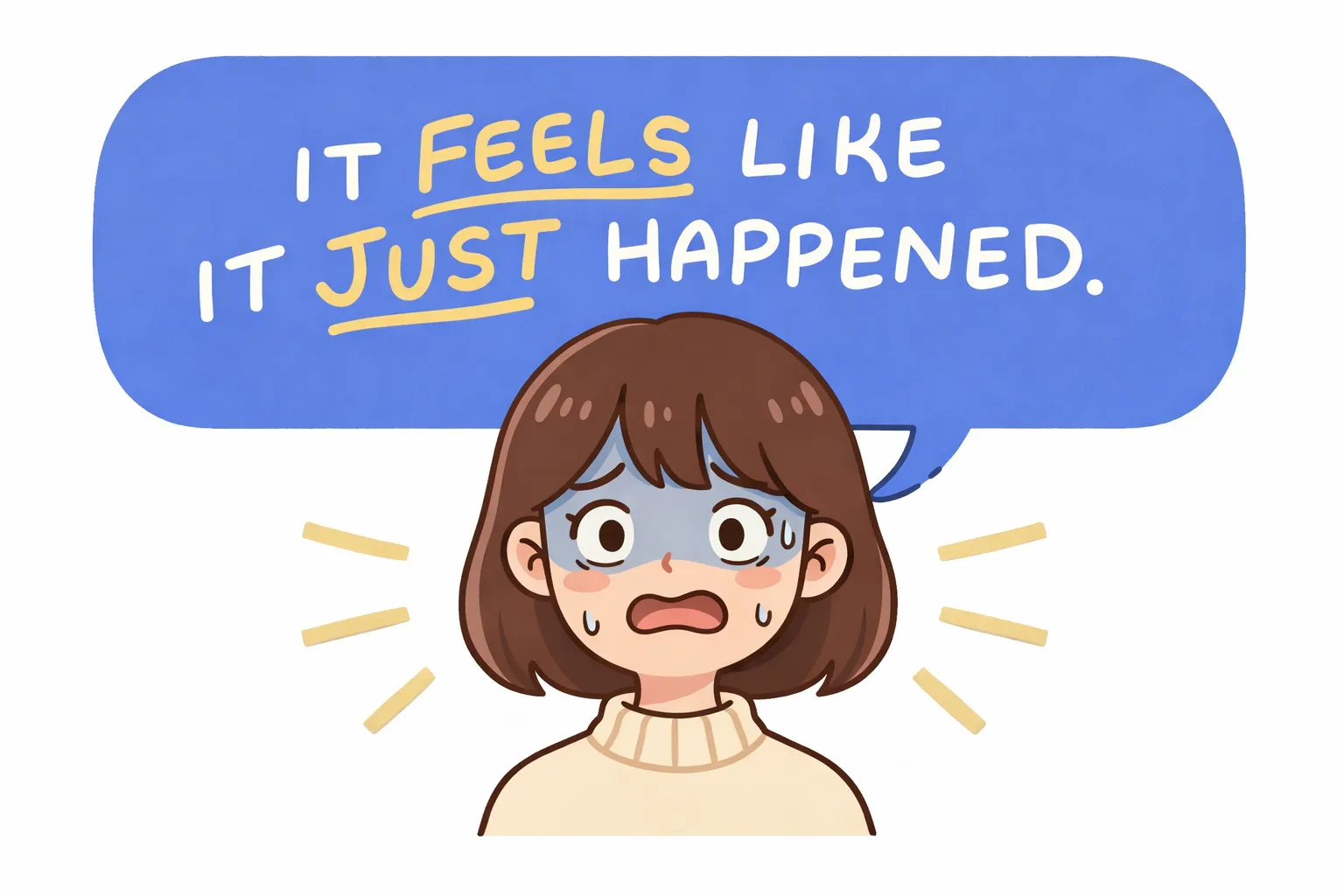
When you attach bakari to a past-tense verb, you express that something happened recently. But here is the key: bakari is subjective. You are not simply reporting a fact. You are expressing how fresh or recent something feels to you, the speaker.
The structure is simple:
[Verb in た-form] + ばかり
Here are a few quick examples to get started:
| Japanese | English |
| 食べたばかり | I just ate |
| 起きたばかり | I just woke up |
| 買ったばかり | I just bought (it) |
Because bakari is about feeling, the actual amount of time that passed does not matter. You could use it for something that happened an hour ago — or even three months ago. As long as it feels recent to you in that context, bakari works.
What Is Tokoro Japanese?
Tokoro (ところ) literally means “place” or “location” (所). However, it does not only refer to a physical place. It can also mean a place in time.
So when you use tokoro after a past-tense verb, you are pointing to a specific moment on a timeline and saying: “This is exactly where I am right now.”
[Verb in た-form] + ところ
▌ 食べたところです。
I just finished drinking.
Unlike bakari japanese, tokoro japanese is objective and neutral. There is no emotional weight. You are simply reporting your status — like giving someone a progress update. Think of it like a GPS ping: “Here is my current location on the timeline.”
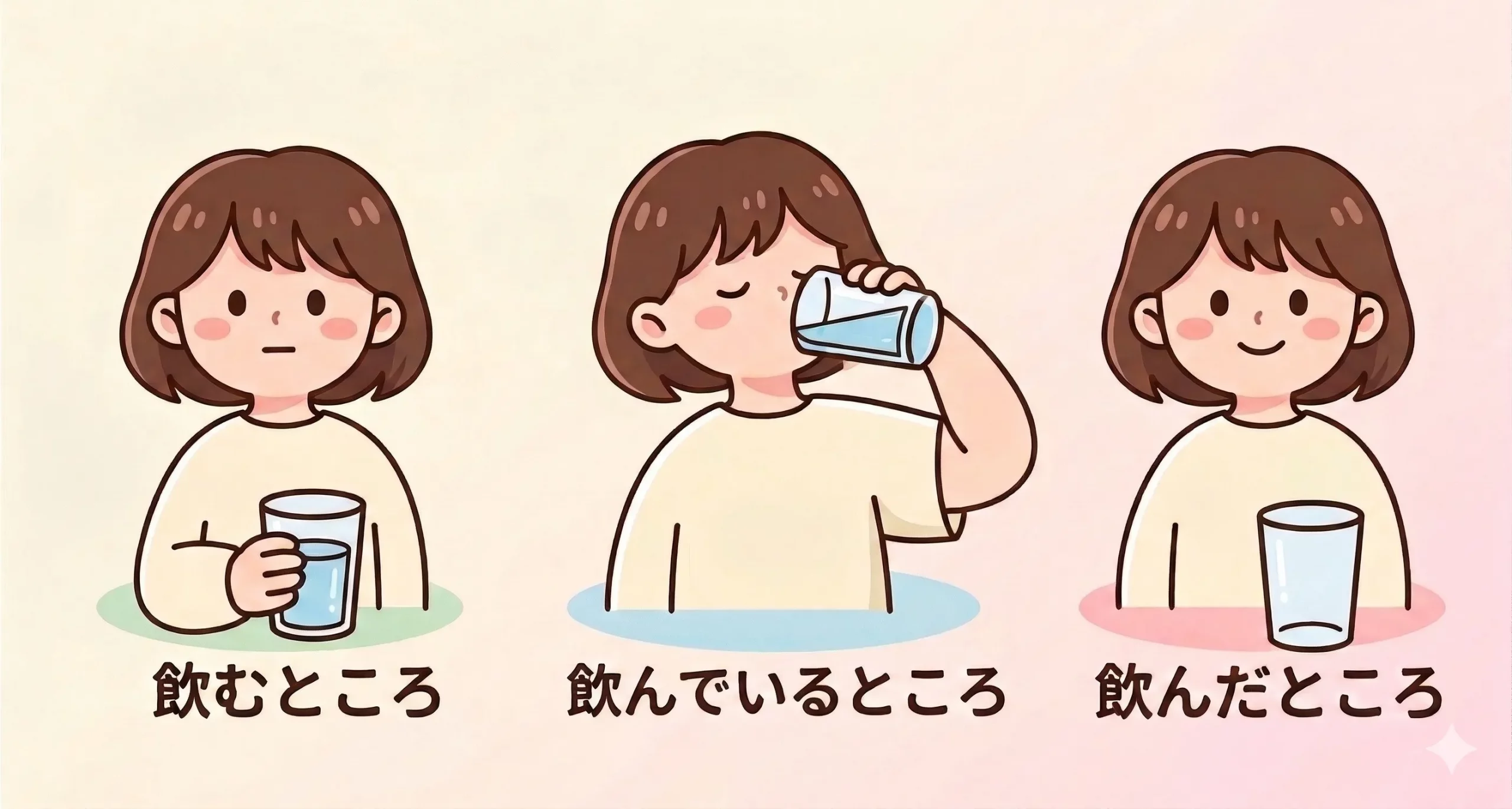
You can also use tokoro with different tenses to describe different stages of an action:
| Japanese | Meaning |
| 食べるところ | I am about to eat |
| 食べているところ | I am in the middle of eating |
| 食べたところ | I just finished eating |
Therefore, tokoro lets you describe exactly where you are in a process — before, during, or after.
Bakari vs Tokoro: The Core Difference
Before we get into real situations, here is the big picture:
Bakari = how recent something feels (subjective, emotional) Tokoro = where you are on a timeline (objective, neutral)
| ばかり Bakari | ところ Tokoro | |
| Feel | Subjective | Objective |
| Emotion | Expressive | Neutral |
| Time flexibility | Flexible — even weeks ago | Strict — must be very recent |
| Modifying nouns | Natural | Rarely used |
Now, let us put this into real situations. Because seeing them side by side is the fastest way to feel the difference — not just memorize it.
Real Situations: Bakari Japanese vs Tokoro Japanese
Situation 1: “I Just Bought a Car”
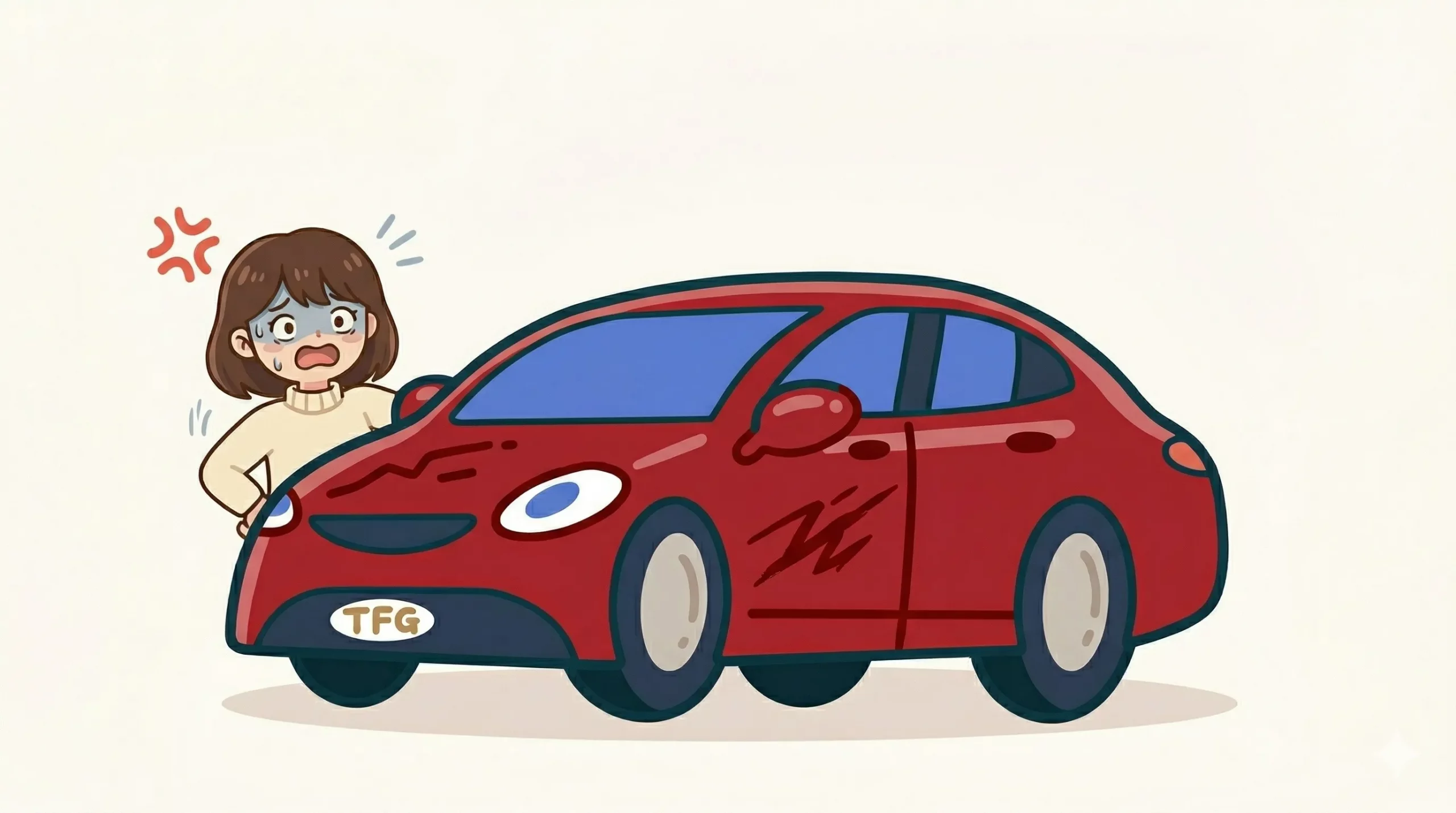
Imagine you just bought a brand new car. You are proud of it. Then someone parks too close and scratches the door. You are furious. Which word do you reach for?
▌ 車を買ったばかりなのに!
I just bought this car!
Bakari is perfect here. You are not calmly reporting a fact — you are expressing outrage. The emotional punch is everything. The whole point is to say “this feels incredibly recent, and therefore this situation is unacceptable.”
Now picture a different scene. Your mom texts asking how your Saturday errands are going. You just left the dealership and you are heading to the grocery store next.
▌ 車を買ったところ。今からスーパーに行くよ。
I just bought a car. Now I’m heading to the supermarket.
No drama. Just a calm status update on your day. Tokoro fits naturally here because you are simply reporting where you are on your errand timeline.
Same words. Completely different vibe. That is the bakari vs tokoro difference in one example.
Situation 2: “I Just Got in the Taxi”
You are meeting a friend for dinner. You are running a little late. Your friend keeps texting: 「まだ着かないの?」 (“Are you not here yet?”)
You finally get in a taxi and fire back:
▌ タクシーに乗ったばかり!
I literally just got in the taxi!
Bakari pushes back against the pressure. You are defending yourself — “it has barely been a second, give me a break!” The feeling of “only a moment has passed” is exactly what makes bakari natural here.
However, imagine a different version of this story. Your friend is relaxed and just wants a heads-up on when you will arrive. You send a quick update:
▌ タクシーに乗ったところ。もうすぐ着くよ。
I just got in the taxi. I’ll be there soon.
Tokoro simply reports your progress. It is calm and informative. There is no push-back, no emotional charge — just a friendly status update.
Ask yourself: Am I making a point about how recent something feels? → Use bakari. Am I just updating someone on where I am? → Use tokoro.
Situation 3: “I Just Finished My Homework”
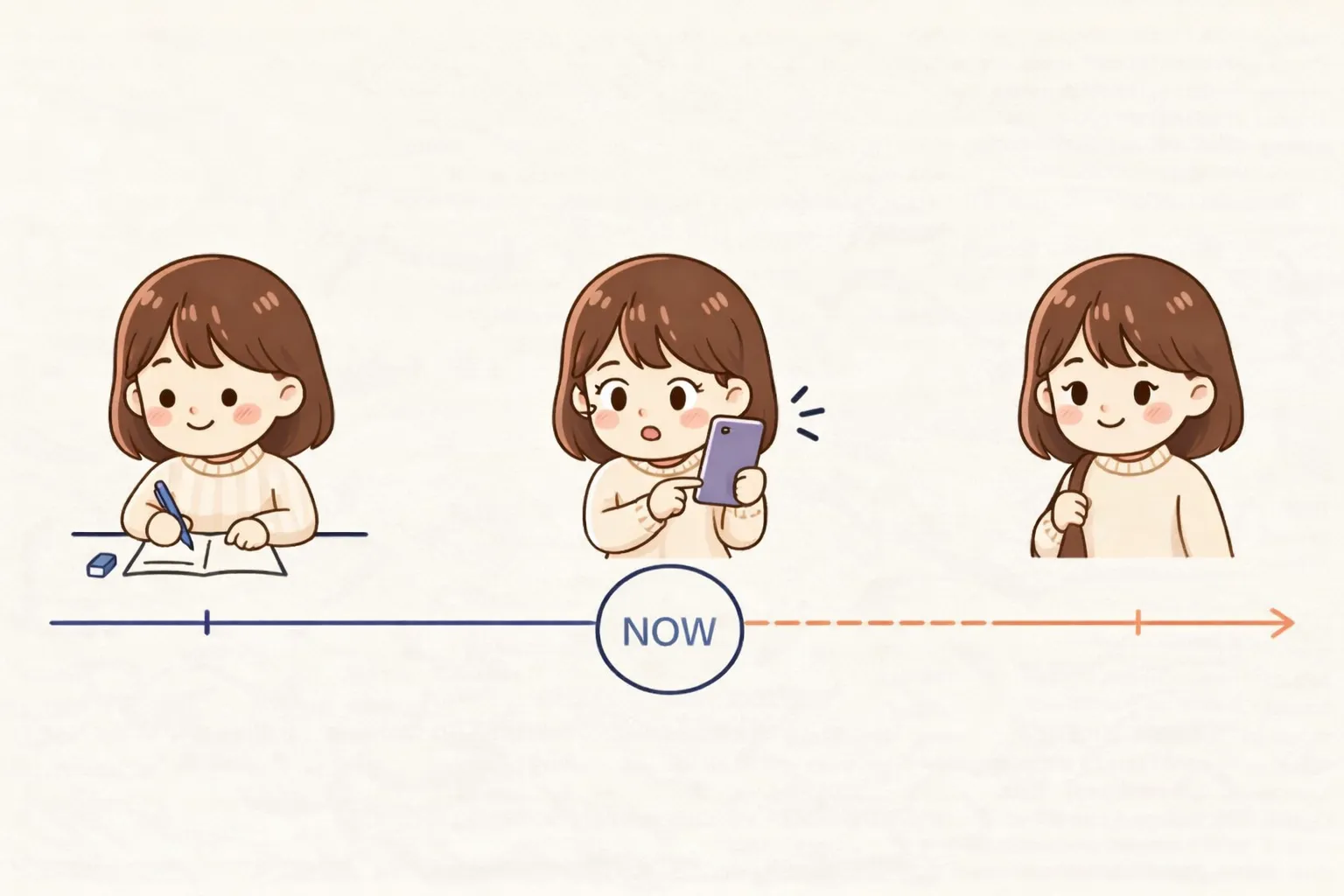
Your friend calls on a Friday evening. They want to grab dinner and ask if you are free. You finished your homework five minutes ago and you are totally ready to go.
▌ 今宿題が終わったとこ!いいよ、行こう!
I just finished my homework! Sounds good, let’s go!
Tokoro works perfectly here. You are reporting that you just crossed the finish line — and because tokoro implies a “next step is coming,” the sentence flows naturally into “let’s go!” The timeline makes sense: homework done → dinner next.
But what if you used bakari instead?
▌ 今宿題が終わったばかりだから…
I literally just finished my homework, so…
Suddenly it sounds like you need a moment to recover first. The nuance shifts to “I just finished and I haven’t had time to breathe yet.” Bakari puts the focus on how fresh the completion feels — which in this context subtly signals “I’m not quite ready.”
With tokoro you sound enthusiastic and ready. With bakari you sound like you need ten minutes on the couch first. 😅
When Bakari Reaches Back in Time
Here is something that surprises a lot of learners: you can use bakari for things that happened a long time ago.
Because bakari is subjective, it has a lot of time flexibility. A mom who bought her kid a new phone six months ago might say:
▌ 半年前に買ったばっかなのに?
Even though I just bought you a phone half a year ago?
Six months is objectively not recent. However, in the context of asking for another new phone, it feels recent to her. Therefore, she can use bakari perfectly naturally here.
Tokoro, on the other hand, is strict. You cannot use it for something that happened months ago — because tokoro requires you to point to a genuinely recent moment on the timeline. Stretching it to “six months ago” would break the logic of the grammar entirely.
The one exception is ところだった, which you use when telling a story set in the past:
▌ ちょうど車を買ったところだったので、お金がなかった。
I had just bought a car, so I was broke.
In this case, you are not pointing to the present — you are pointing to a specific past moment in your story. That is perfectly natural with tokoro.
Bakari for Describing Nouns
One more powerful thing bakari can do that tokoro cannot: modify nouns. Add の after ばかり and you can describe something as brand new or freshly done:
▌ 買ったばかりのワンピース
A dress I just bought
▌ 結婚したばかりのカップル
A couple who just got married
This pattern is incredibly common in everyday Japanese. You will hear it whenever someone talks about something they just bought, cleaned, cooked, or repaired. Because the focus is on how new and fresh something feels, bakari is the natural fit.
Tokoro is almost never used this way. So remember: when you want to describe something as brand new or freshly done, always reach for bakari.
The Casual Forms: ばっか, ばっかし, とこ
In casual conversation, these words get shortened all the time:
| Formal | Casual | Notes |
| ばかり | ばっか / ばっかし | Very common in speech and texting |
| ところ | とこ | Common in casual speech |
All of these are fully interchangeable with the standard forms. Therefore, do not be surprised when you hear ばっか in anime or とこ in a drama — they mean exactly the same thing.
Common Mistakes to Avoid
Swapping Bakari and Tokoro Blindly
Because both words translate as “just” in English, it is tempting to use them interchangeably. However, always ask yourself first: Am I expressing a feeling, or reporting a fact? Feeling → bakari. Fact → tokoro.
Thinking Bakari Only Works for Truly Recent Events
Bakari is flexible. You can use it for things that happened days, weeks, or even months ago — as long as the context makes it feel recent. So do not limit yourself unnecessarily.
Trying to Use Tokoro to Modify Nouns
Tokoro points at moments in time. It does not describe things as fresh or new. Therefore, stick to bakari whenever you want to modify nouns.
You Just Learned Bakari Japanese! 🎉
「ばかりとところの違いを学んだところですね。でも今勉強したばかりだから、まだちょっと難しい?」
If you caught the different feelings in those two sentences, you are already getting it.
To sum it up: bakari is about feeling, tokoro is about facts. Once that distinction clicks, you will start reaching for the right one naturally — no more second-guessing.
Ready to keep going? Check out our Japanese Grammar Guide for more comparisons like this one. Additionally, if you want to sharpen your reading skills, our Hiragana Practice Sheets are a great companion. またね!