The Japanese writing system has a branding problem.
When beginners search for it, what they usually want is not a historical essay. They want somebody to explain why one language appears to be wearing three different writing systems at once and whether that situation is as rude as it looks.
The answer is: yes, a little. But it is also much more organized than it first appears.
At first glance, Japanese can look like somebody took an alphabet, added a second alphabet, dropped in thousands of characters, and then said, ‘Relax, it all works together.’ Annoyingly, they were right.
This guide is here to make that whole setup feel less dramatic. We are going to walk through how the Japanese writing system actually works, what each script does, what beginners should learn first, where pronunciation and typing fit in, and how to move through the early stages without wasting that fresh beginner motivation on the wrong things.
I want to learn Japanese!
If that is where you are right now, good. This article is for the true beginner: little to no Japanese, maybe a handful of words, probably a lot of curiosity, and ideally not too much patience for nonsense.
The more deliberate your first steps are, the easier everything that follows becomes. What feels slow now is often speed later on. That is not motivational poster nonsense. That is just how foundations work.
Just because we are doing it right does not mean it has to be inefficient.
You do not need to move at classroom speed. You need to move in an order that gives you the biggest payoff for the effort you put in.
This video provides you with resources and methods needed to practice basic Japanese step by step:
Zero Knowledge of Japanese
This first stage is for the real beginner. You know little to no Japanese. Maybe a konnichiwa here, maybe a stray anime phrase there, maybe an unreasonable amount of confidence for somebody who has not met katakana yet. Perfect. That is enough to begin.
The goal of this stage is not fluency. The goal is orientation. You want to understand what you are looking at, what to learn first, and how not to make your own life harder in week one.
Learn to Read Hiragana
Estimated Time: 1 day to 1 week
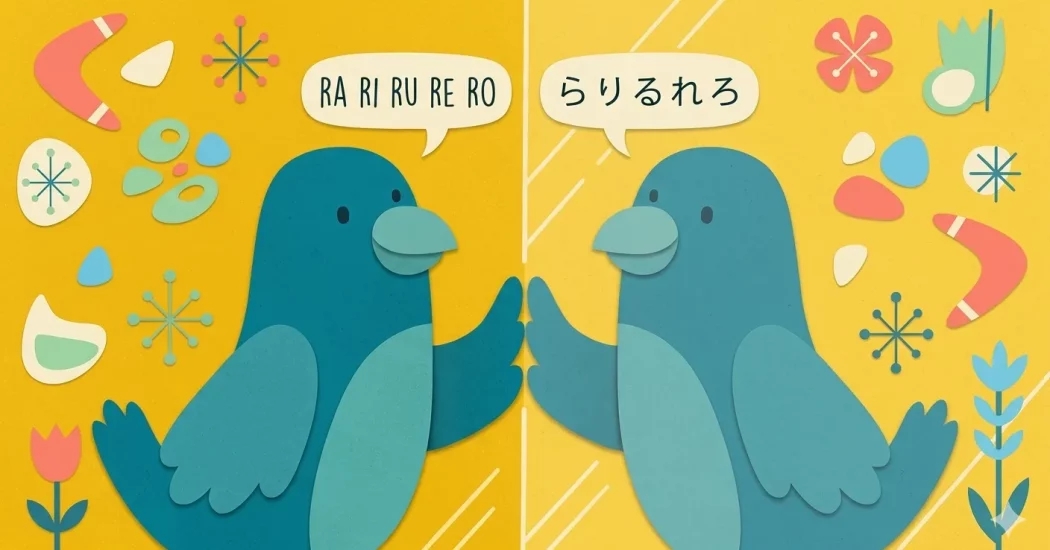
Hiragana is where everything starts. It is one of the core scripts in the Japanese writing system, and it is the part you need before most beginner materials become readable at all.
Hiragana handles grammar, particles, verb endings, and a huge amount of day-to-day reading support. In other words, this is not just the first script you learn because tradition said so. It is the first script because it keeps showing up forever.
A lot of classrooms spend weeks on hiragana. You do not necessarily need weeks. What you do need is recall. You need to get to the point where the characters no longer feel like decorative noodles and start feeling like sounds you can actually use.
Remember:
You are not in a class. You do not have to move at the speed of the slowest ten percent. There is no prize for dragging this out longer than necessary.
Do it: Learn Hiragana lessons · Learn Hiragana Online Free · Hiragana chart
Get to the point where you can read and recall all the basic hiragana without cheating. Slow is fine. Guessing forever is not.
This video provides beginners with specific information and methods to acquire Hiragana:
Basic Japanese Pronunciation
Estimated Time: ongoing, but start now
Good pronunciation starts early. Hiragana gets you most of the way there because it teaches you how Japanese sounds are organized. But if you ignore pronunciation because it feels hard or because you plan to ‘fix it later,’ later tends to arrive with bad habits already unpacked.
This does not mean you need to sound perfect immediately. It means you should start listening carefully, speaking carefully, and noticing what Japanese is doing with vowels, consonants, long sounds, doubled sounds, and mouth shape while your foundation is still small enough to manage.
Put the work in now. When the language gets more complicated, you will be very glad your ears were trained early.
Read: Japanese learning resource · Japanese Writing System · Learn Hiragana lessons
With pronunciation, it is best to do the hard part now, at the beginning. Then go back to hiragana and keep reading until recall feels stable enough to carry into the next section.
Learning to Type Hiragana in Japanese
Estimated Time: 1–2 days
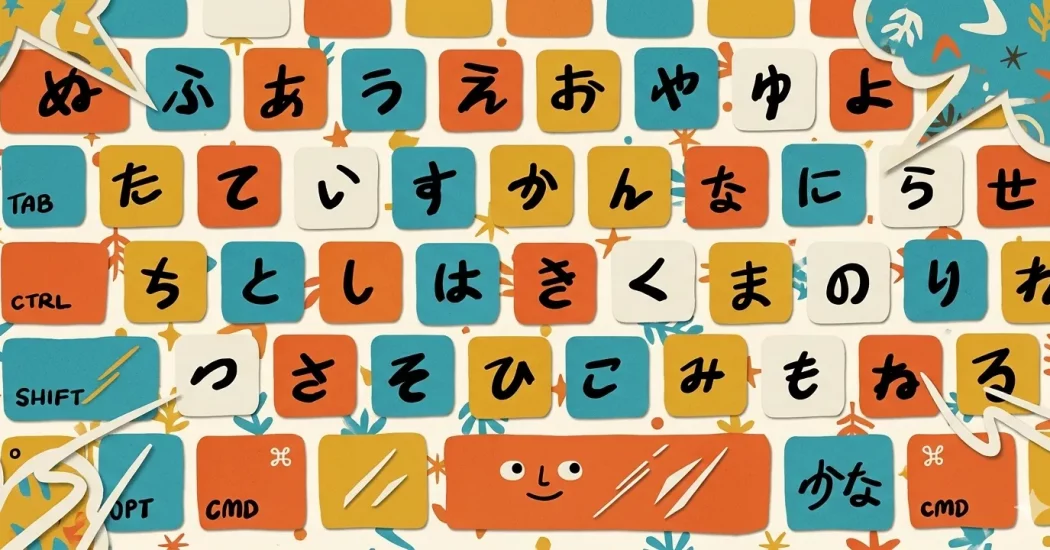
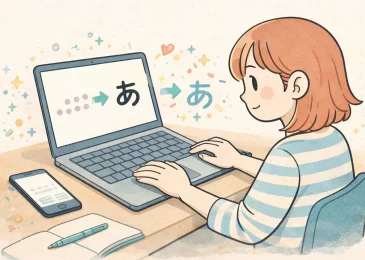
Once you can read hiragana, typing becomes one of the fastest ways to make the script feel usable instead of decorative. Modern Japanese writing is mostly typed, not handwritten, so learning to type early is not cheating. It is practical.
Typing also reinforces recall. You see the sound, type the sound, and watch the script appear. That loop is helpful because it turns passive recognition into something more active.
Do it: Writing game · Learn Hiragana lessons
Get comfortable with basic typing, contractions, small tsu, and dakuten. Once hiragana feels usable on a keyboard, the writing system starts feeling much less theoretical.
Understanding the Concept of “Kanji”
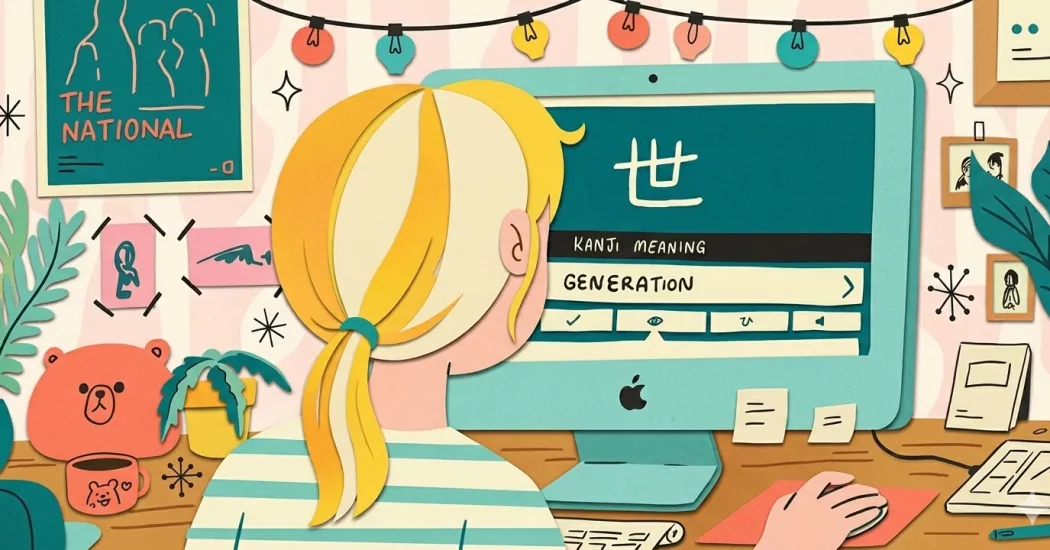
This is where a lot of learners get dramatic. Kanji is the part everybody warns you about, which is exactly why too many beginners postpone it and accidentally make everything harder later.
Kanji is not a side quest. It is one of the central pieces of the Japanese writing system. Almost everything uses it. If you keep pushing it into the future, the future starts looking crowded very quickly.
You do not need to master thousands of characters tomorrow. You do need to understand what kanji is doing, why it appears so often, and why readings like onyomi and kunyomi are worth understanding early.
Read: Onyomi vs Kunyomi · Kanji for Beginners
Once you understand how kanji readings work at a basic level, the script stops feeling like a hostile wall and starts looking like a system you can actually enter.
Beginning Kanji and Stockpiling Kanji Knowledge
Estimated Time: 1–3 months to build momentum

Once you can read and type hiragana, it is time to start learning actual kanji. Not all kanji. Not every reading. Not the whole mountain at once. Just the beginning of a useful, growing base.
For beginners, learning kanji should mean learning the most important meaning, the most useful reading, and one or two real vocabulary items that make the character feel alive. That combination is what actually sticks.
This is also where radicals and mnemonics earn their reputation. They reduce chaos. They turn one giant symbol into smaller, memorable parts.
What feels slow now is often speed later.
A little kanji effort now saves a lot of grammar frustration later, because you stop burning energy on constant lookups.
Start here: Learn Kanji the Smart Way · Kanji Radicals Explained · Learn Kanji & Japanese Vocabulary
Start building a small stockpile of useful kanji and vocabulary. You do not need perfection. You need momentum and a system you can repeat.
Learn to Read Katakana
Katakana uses the same sound inventory as hiragana, but it does a different job. It is used for loanwords, foreign names, product language, modern vocabulary, onomatopoeia, and certain kinds of visual emphasis.
This means katakana is not optional modern garnish. It shows up constantly in real Japanese. The smartest move is to learn it while the sound system is still fresh in your head, not months later when it feels like an annoying second alphabet you somehow forgot to deal with.
Read: Learn Katakana lessons · Learn Katakana Online Free · learn katakana
Once you can read basic katakana without flinching, borrowed vocabulary stops looking like visual static and starts looking useful.
Learning to Type Katakana and Kanji
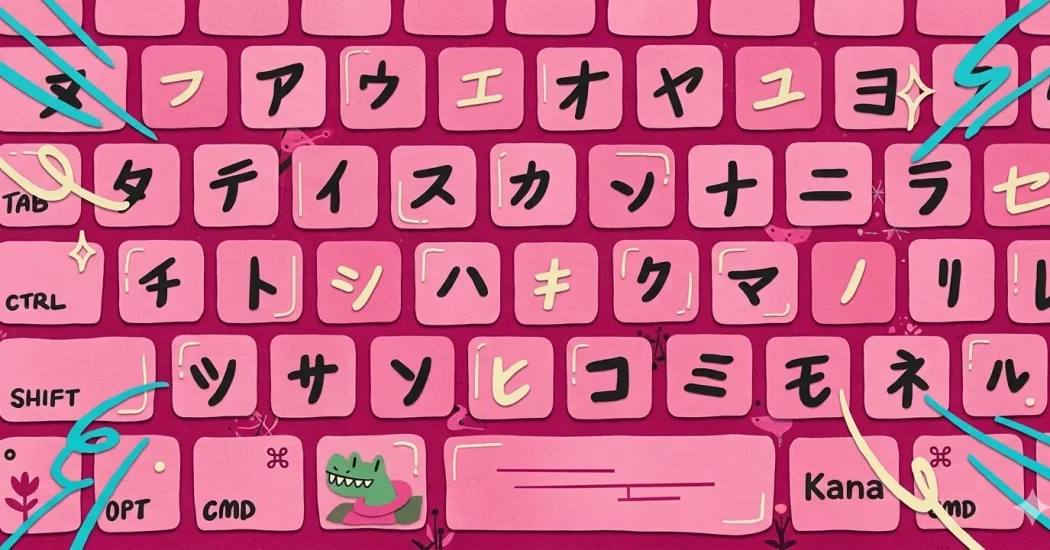
Typing matters because it is how modern writing actually happens. The same IME logic that helps you type hiragana extends into katakana and kanji. Once you get used to it, typing becomes one of the easiest ways to reinforce script knowledge in real contexts.
You are not learning to type just to type. You are learning to make the scripts functional. That matters because the Japanese writing system gets much less intimidating when it starts doing real work for you.
Practice it: Writing game · MochiKana
Keep typing until the scripts feel usable. Usable beats impressive every single time.
How the scripts work together in one sentence
The fastest way to understand the Japanese writing system is to stop staring at the scripts separately and see what they do together.
| Sentence part | Script | Example | Job |
| Meaning-heavy word | Kanji | 私 / 学校 / 行 | Carries core meaning |
| Grammar and endings | Hiragana | は / に / きます | Connects and inflects the sentence |
| Loanword if present | Katakana | コーヒー | Marks imported or stylized vocabulary |
| Bridge only | Romaji | watashi | Beginner support, signage, limited contexts |
A sentence like 私は学校に行きます is not a random script salad. Kanji handles the heavy meaning. Hiragana handles the grammar and motion. If a loanword appeared, katakana would step in for that part. That division of labor is the whole trick.
Read next: Japanese Writing System · Japanese Alphabet
When you can explain what each script is doing inside one sentence, the writing system stops looking mysterious and starts looking organized.
What to learn first
| Stage | What to learn | Why first | Good next step |
| 1 | Hiragana | Everything else depends on it | Read and recall all basic characters |
| 2 | Pronunciation basics | Build sound awareness early | Say and hear the kana correctly |
| 3 | Typing hiragana | Makes the script usable | Practice typing until it feels normal |
| 4 | Kanji basics | Reduces later reading frustration | Start with meanings, readings, and vocabulary |
| 5 | Katakana | Modern text keeps using it | Read borrowed words without freezing |
| 6 | Typing katakana and kanji | Turns knowledge into practical skill | Use the scripts in real contexts |
There is no speed limit.
There is only the question of whether you are learning things in an order that actually helps your future self.
Follow this path: MochiKana · Learning Japanese – Guideline for beginner · MochiKanji
The clean route is hiragana, pronunciation, typing, early kanji, katakana, then deeper reading. Simple plans are underrated.
Common beginner traps
| Trap | Why it hurts | Better move |
| Leaning on romaji too long | Your eyes do not adapt to real Japanese | Use romaji briefly, then phase it out |
| Skipping pronunciation | Bad sound habits harden early | Train your ear while learning kana |
| Ignoring kanji until later | Everything becomes lookup-heavy and slower | Start basic kanji early |
| Treating katakana as optional | Modern vocabulary stays frustrating | Learn it while sounds are fresh |
| Only rereading charts | Recognition improves more slowly than recall | See it, say it, type it, review it |
A lot of beginner pain is not caused by Japanese itself. It is caused by learning things in a beautifully inconvenient order.
Avoid the trap: hiragana learning · Japanese learning resource · Kanji123
You do not need a perfect plan. You just need a plan that does not quietly sabotage your next month.
Why the Japanese writing system becomes easier later
At the beginning, the scripts feel like extra problems. Later, they become extra information. Hiragana gives you grammar visibility. Katakana marks modern and foreign vocabulary. Kanji compresses meaning. Once your eyes adapt, the system starts helping more than it hurts.
That is one of the most important beginner truths to remember: early overwhelm is not proof that the system is broken. It is just the feeling of meeting several useful tools before you know what they are for.
Keep going: Japanese Alphabet · Kanji for Beginners
What feels complicated now gets much easier once each script has a clear job in your head.
Final thoughts
The Japanese writing system looks overwhelming at first because it is not one neat alphabet. It is a system with several tools doing different jobs at the same time.
The good news is that you do not have to master everything in one burst of motivation. Learn hiragana first. Add pronunciation. Learn to type. Begin basic kanji. Then bring in katakana and keep building.
So yes, learn the japanese writing system. But do it in the order that gives you the fastest real payoff. Start with MochiKana, move into the specific kana lessons, then grow into MochiKanji and Kanji123 when you are ready to push further. Momentum beats perfect planning every time.
Start here: MochiKana – Learn Japanese Alphabet · Learn Hiragana lessons · Learning Japanese – Guideline for beginner
Learn the first script, build your sound system, and keep moving. You do not need permission to start.
FAQ
How many scripts are in the Japanese writing system?
Japanese mainly uses hiragana, katakana, and kanji together. Romaji also appears as a limited support tool in some contexts.
Should I learn hiragana or katakana first?
Hiragana first. It is the core phonetic foundation for beginner reading and grammar.
Is kanji part of the Japanese writing system?
Yes. Kanji is the meaning-heavy part of the Japanese writing system and appears constantly in real Japanese text.
Do Japanese people use romaji?
Sometimes, but mostly for signage, branding, typing-related help, and limited practical contexts. It is not the main way Japanese is written.
What is the best order to learn the Japanese writing system?
For beginners, the most useful order is hiragana first, pronunciation basics second, typing early, basic kanji after that, and katakana alongside early kanji study.