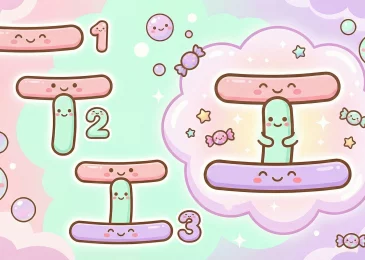
You know that moment when you’re talking to a Japanese friend, you casually drop an English word—and their face just… freezes? That’s the English to Katakana problem. And once you understand how it works, everything clicks.
Yeah. We’ve all been there.
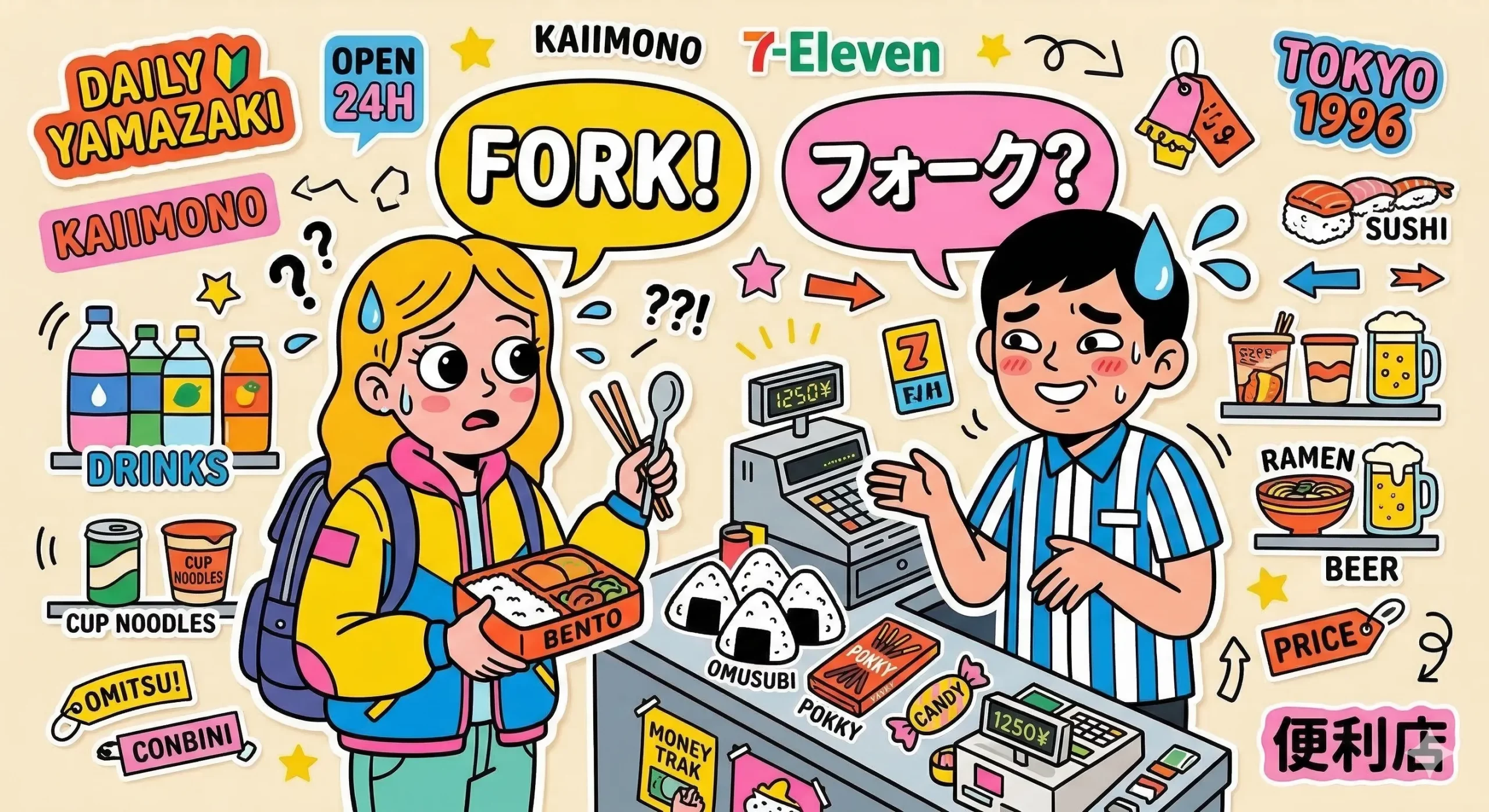
I remember the first time it happened to me. I was at a konbini, proudly asking for a fork with my bento. “Fork” — I said it clearly, confidently. The cashier blinked. Her smile didn’t move, but her eyes screamed: help. Finally, she whispered, “Ah, fooku?” and handed me one.
That’s when it hit me: the problem wasn’t my Japanese. It was my English.
This is the paradox of learning Japanese. The words borrowed from your own language often become the hardest to pronounce. The secret lies in English to atakana conversion — a process often called katakanization — that squeezes English words into the tiny, tidy sound-box of Japanese phonology. Once you understand it, you stop fighting the language and start speaking it.
And here’s the thing: Japanese loanwords aren’t rare. They’re everywhere. From aisu to terebi to konbini itself, thousands of katakana words show up in daily conversation. Mastering English to katakana isn’t just helpful — it’s basically cheating your way to instant vocabulary. Make sure you read Katakana before diving in.
Why You Can’t Just “Say It Like English”
Japanese Loanwords Are Everywhere — And Most Come From English
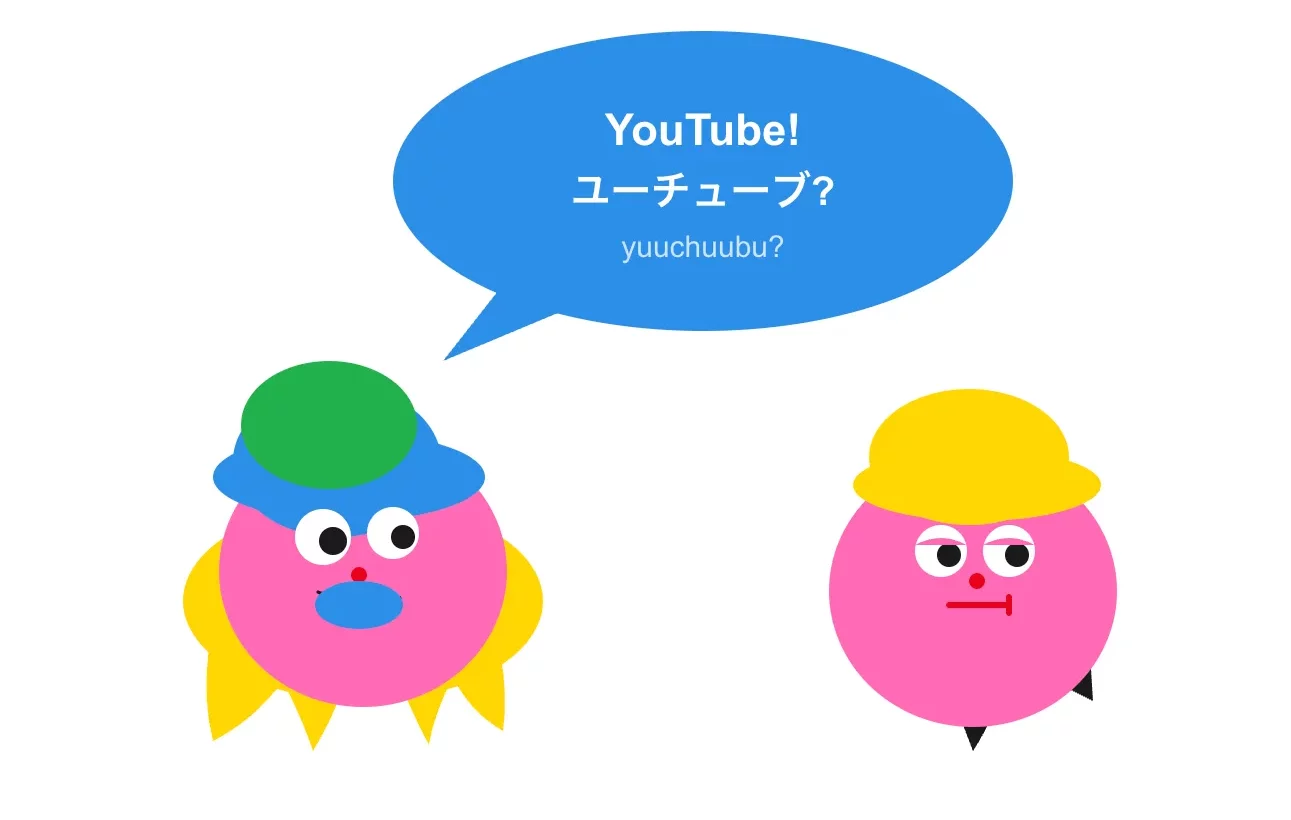
Here’s a number that might surprise you: studies show that Japanese speakers use 3,000–5,000 loanwords in daily conversation — and 94% of them come from English. Words like テレビ (TV), コーヒー (coffee), スマホ (smartphone), and アイスクリーム (ice cream) are all borrowed from English. That proportion keeps growing as new technology and global culture push more English vocabulary into everyday Japanese.
This means that learning English to Katakana conversion doesn’t just help you pronounce words — it unlocks an entire vocabulary that was already sitting in your brain. Once you can recognize katakana words, you’ll be surprised how much Japanese you already “know.”
Why Japanese Can’t Just Use English Sounds
Japanese phonology has a strict rule: almost every syllable must end in a vowel. The only exception is ン (n). This means words like “cat,” “look,” and “strength” are simply not pronounceable as-is in Japanese.
On top of that, some English sounds don’t exist in Japanese at all. The “th” in “three” is actually rare across most human languages — Japanese replaces it with the closest available sound, /s/. The “v” in “very” becomes /b/. Katakanization isn’t about simplifying English — it’s about adapting it to fit an entirely different sound system.
This is why consistent katakana practice is so vital. It trains your brain to think within the Japanese sound system. For a refresher on the basic characters, check out our Ultimate Katakana Chart.
So how English to Katakana conversion works?
There are three basic rules that native Japanese speakers follow, even though they don’t realize it. Of course, there are some exceptions, but these rules cover most cases.
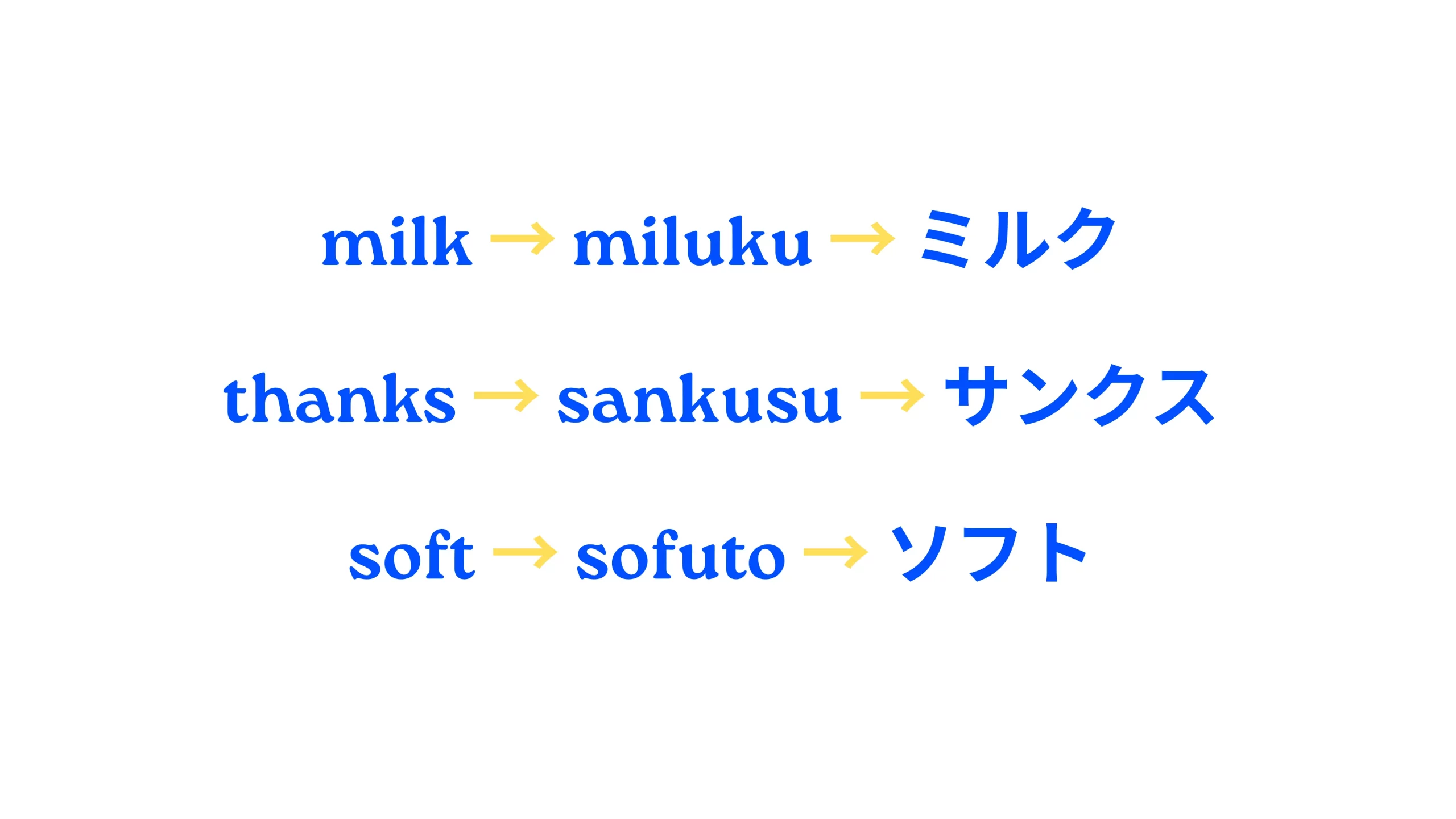
Rule #1 — Add a Vowel After Every Lone Consonant
This is the foundation of English to Katakana conversion. In Japanese, almost every sound needs a vowel attached to it. So if a consonant is sitting alone with no vowel after it — you add one.
Here’s which vowel to add:
- After t or d → add o
- After ch or j → add i
- After n → it blends/assimilates into the nasal sound ン, standing on its own as a syllable
- After r → it blends/assimilates, either becoming part of a long vowel (e.g. “car” → カー) or mapping to the ラ row (ra, ri, ru, re, ro) when it leads a syllable
- After everything else → add u
Let’s See It in Action
Take the word “risk”. Break it into sounds: r – i – s – k. The R already has a vowel (i) after it — great, leave it alone. But S and K are sitting alone. Add U after each. Result: ri-su-ku = リスク
| English Word | How It Sounds | Add Vowels | Katakana Result |
| risk | r-i-s-k | s→su, k→ku | リスク |
| desk | d-e-s-k | s→su, k→ku | デスク |
| milk | m-i-l-k | l→ru, k→ku | ミルク |
| soft | s-o-f-t | f→fu, t→to | ソフト |
| text | t-e-x-t | x→su, t→to | テキスト |
Rule #2 — Swap Out Sounds That Don’t Exist in Japanese
Japanese has fewer sounds than English — and that’s exactly what makes English to Katakana conversion tricky. So when an English sound has no Japanese equivalent, you replace it with the closest one.
Vowel Swaps
Japanese only has 5 vowel sounds: ア (a), イ (i), ウ (u), エ (e), オ (o). English has way more. So several English vowels map to the same Japanese one.
| Example Word | Becomes | Katakana |
| apple | アppuru | アップル |
| umbrella | アnburera | アンブレラ |
| pool | プーru | プール |
| pull | プru | プル |
| hot | ホtto | ホット |
Notice pool vs pull? The long “oo” sound becomes ー (the long vowel mark). Short sounds stay short. This tiny difference changes the meaning — so it matters!
Consonant Swaps
Some English consonants simply don’t exist in Japanese. Here are the big ones to memorize:
| English Sound | Replaced With | Example | Katakana |
| th (as in “three”) | s-line (サ行) | three → surī | スリー |
| th (as in “thank”) | s-line (サ行) | thank you → sankyū | サンキュー |
| v (as in “very”) | b-line (バ行) | very → berī | ベリー |
| l (as in “love”) | r-line (ラ行) | love → rabu | ラブ |
| f (as in “fork”) | fu (フ) | fork → fōku | フォーク |
| ð (as in “the”) | z-line (ザ行) | the → za | ザ |
Fun fact: Because L and R sound the same in Japanese, the words “berry,” “belly,” and “very” all become ベリー in katakana. ベリー confusing at first — but ベリー logical once you know the rule!
Rule #3 — Double the Consonant After a Short Vowel
Ever notice how some Katakana words have a small ッ tucked inside them? That little character creates a brief pause — a kind of rhythmic beat. And it comes straight from English.
When an English word ends with a “stop” sound (like -p, -b, -t, -d, -k, -g, -ch, -j) right after a short vowel, you double that consonant in katakana using ッ.
| English Word | Short Vowel | Final Sound | Katakana |
| dip | short i | -p → ッp | ディップ |
| look | short oo | -k → ッk | ルック |
| bag | short a | -g → ッg | バッグ |
| check | short e | -k → ッk | チェック |
| beat | long ee | no double | ビート |
| pool | long oo | no double | プール |
One more thing: this rule only applies to the last syllable. So “picnic” → ピクニック — not ピックニック. Only the final -k gets doubled.
Combination Katakana
Already comfortable with the 3 rules? This next part is for you.
Standard katakana can’t capture every English sound perfectly. That’s where combination katakana comes in — these are pairs like フォ, ティ, ジュ that get closer to the original English pronunciation.
| English Word | Basic Katakana | Combination Katakana | Which Is Used Today? |
| cat | カット (ka-t-to) | キャット (kya-t-to) | キャット |
| gap | ガップ (ga-p-pu) | ギャップ (gya-p-pu) | ギャップ |
| tomorrow | (rarely used / outdated) | トゥモロー | トゥモロー |
| duet | デュエット | デュエット | デュエット |
| idea | アイデア (older) | アイディア (newer) | Both used |
Modern Japanese tends to use combination katakana to get closer to the original English sound. But don’t stress — basic conversions still work for most words. Think of combination katakana as an upgrade, not a requirement.
The Exceptions: Older Loanwords That Break the Rules
Here’s the honest truth: Some common English to Katakana conversions don’t follow the rules. Why? Because they were borrowed into Japanese long before the rules were consistent — and people got used to them as-is.
| English Word | “Should Be” (by rules) | What Japanese Actually Uses | Why? |
| cake | ケーク | ケーキ | Old borrowing |
| radio | レイディオ | ラジオ | Pre-combination era |
| California | キャリフォーニア | カリフォルニア | Old borrowing |
| television | テレビジョン | テレビ | Shortened over time |
The good news? These exceptions are mostly very high-frequency words — so you’ll encounter them constantly and memorize them naturally through exposure.
From Here, It Just Gets Easier
Mastering English to Katakana conversion is one of the best early investments you can make — it unlocks thousands of katakana words you already know. And honestly? It’s pretty fun once it clicks.
Start with the 3 rules. Practice with real words. Use the tables in this guide when you get stuck. And before long, you’ll be reading Japanese menus, signs, and product names like it’s second nature.
グッドラック — good luck! 🎌