If you searched for a beginner kanji list, you probably do not want a dramatic speech about how beautiful Japanese writing is. You want a list that helps. You want the kanji that show up early, matter in real reading, and do not immediately make your motivation file for legal separation.
That is what this article is for. It gives you a practical beginner kanji list, groups the characters in a way your brain can actually use, and explains how to study them without treating all of kanji like one giant mystery shape.
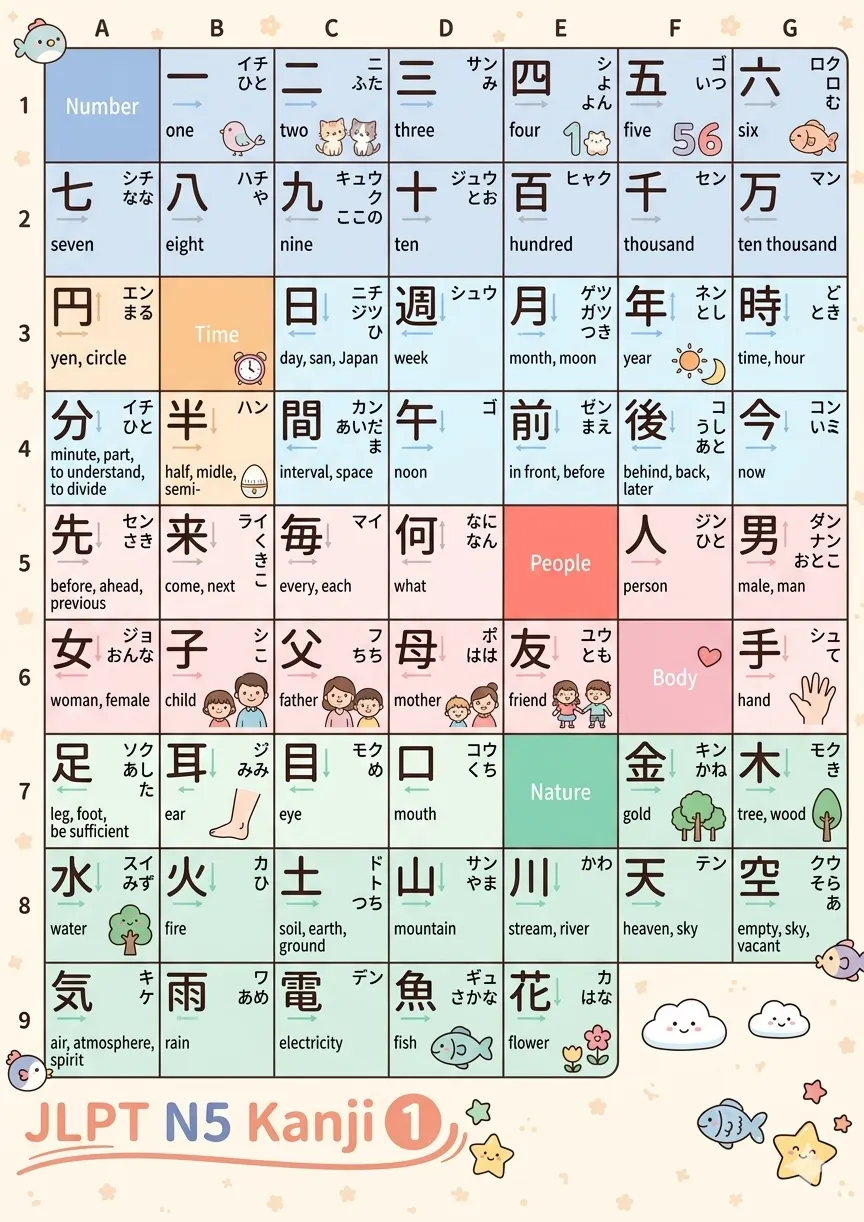
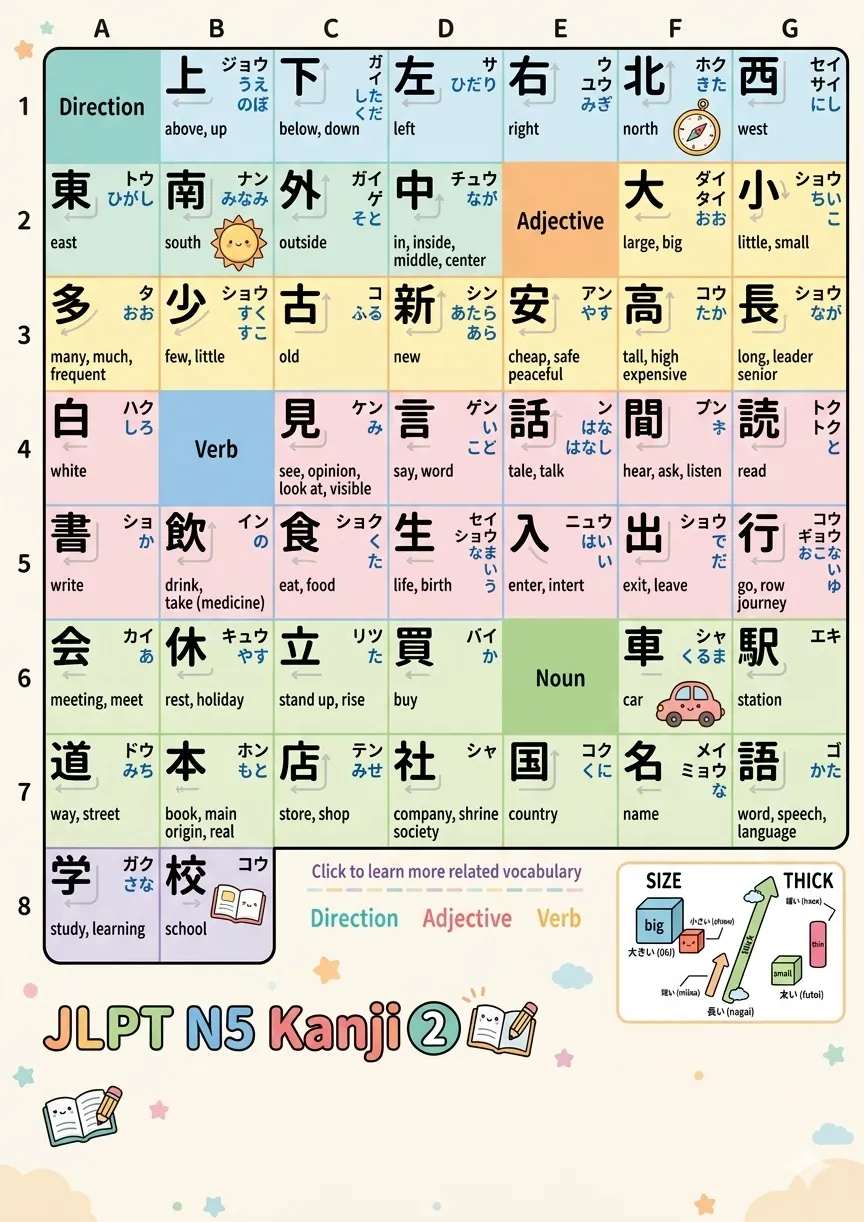
The list structure here takes inspiration from basic-kanji guide, which groups beginner kanji by category—numbers, time, family, body parts, nature, position, adjectives, and verbs. That kind of grouping works well because beginners usually remember useful categories faster than random lists.
Before we go further, one important note: you do not need to start Japanese with kanji. If your kana still feels shaky, spend a little time with MochiKana, hiragana learning, or learn katakana first. Once you can read the sound system without squinting, a beginner kanji list becomes much more useful.
Featured snippet version:
A beginner kanji list should focus on common, useful kanji that appear in everyday Japanese and early study materials. The best beginner kanji list starts with high-frequency characters like 日, 人, 月, 水, 火, 木, 山, 川, 学, and 生, then teaches them through real vocabulary, radicals, and regular review.
Why this beginner kanji list starts with useful, common characters
There are over two thousand jōyō kanji in regular use, and Kanji123’s beginner guide makes the same basic point every decent beginner guide should make: the first hundred are only the beginning. However, beginners do not need to carry all two thousand around in their head right now. They need the characters that come back quickly and often.
That means a good beginner kanji list should prioritize characters that are:
· common in everyday Japanese
· simple enough to learn early
· useful in beginner vocabulary and beginner reading
· good building blocks for later kanji study
If you want the broader logic behind that approach, Kanji for Beginners and Learn Kanji the Smart Way are the best supporting reads. They explain why “useful first” usually beats “everything first.”
How to use this list without making yourself miserable
Please do not try to memorize all 50 at once. That is not discipline. That is just future regret with a study playlist.
Instead, use this beginner kanji list in small batches:
1. Learn 5 to 10 kanji at a time.
2. Attach each kanji to one or two real words.
3. Notice the radical or familiar part inside the character.
4. Review tomorrow, not “sometime later.”
5. Test recall, not just recognition.
A short round on Kanji123 – Free JLPT Kanji Test Online is useful once you have studied a small batch. Then, if you want a more guided way to keep those characters alive inside real vocabulary, move into Learn Kanji & Japanese Vocabulary.
Group 1: Numbers and money kanji you will meet immediately
Coto begins with number-related kanji, and that makes perfect sense. Numbers appear everywhere: prices, dates, counters, schedules, bills, and menus. So these characters pay you back almost immediately.
| Kanji | Meaning | Common reading(s) | Useful example |
| 一 | one | いち / ひと | 一人, 一年 |
| 二 | two | に / ふた | 二人, 二日 |
| 三 | three | さん / み | 三人, 三日 |
| 四 | four | し / よん | 四月, 四人 |
| 五 | five | ご / いつ | 五日, 五分 |
| 六 | six | ろく / む | 六月, 六日 |
| 七 | seven | しち / なな | 七月, 七日 |
| 八 | eight | はち / や | 八月, 八日 |
| 九 | nine | きゅう / ここの | 九月, 九日 |
| 十 | ten | じゅう / とお | 十日, 十分 |
If you only learn one group from this beginner kanji list this week, this is a strong candidate. Numbers are boring in the best possible way: they are useful everywhere.
Group 2: Time kanji that make Japanese schedules much less mysterious
Coto’s article also groups time kanji early, and again, that is smart. Once you know these, dates, times, and simple schedule language stop looking like random characters arranged by a sleep-deprived wizard.
| Kanji | Meaning | Common reading(s) | Useful example |
| 日 | day / sun | にち・じつ / ひ | 毎日, 日本 |
| 月 | month / moon | げつ・がつ / つき | 月曜日, 一か月 |
| 年 | year | ねん / とし | 今年, 学年 |
| 時 | time / hour | じ / とき | 時間, 何時 |
| 分 | minute / part | ふん・ぶん | 十分, 自分 |
| 前 | before / front | ぜん / まえ | 午前, 名前 |
| 後 | after / behind | ご・こう / あと | 午後, 最後 |
| 今 | now | こん / いま | 今日, 今 |
| 先 | ahead / previous | せん / さき | 先生, 先月 |
| 毎 | every | まい | 毎日, 毎週 |
Also, once these start making sense, the days of the week stop feeling like an elaborate prank. If your overall writing-system map still feels foggy, the Japanese Writing System page is a good reset.
Group 3: People, family, and the human category
These are the characters that show up in beginner self-introductions, family vocabulary, and very basic reading. In other words, they are not glamorous, but they are booked and busy.
| Kanji | Meaning | Common reading(s) | Useful example |
| 人 | person | じん・にん / ひと | 日本人, 一人 |
| 男 | man | だん・なん / おとこ | 男子, 男 |
| 女 | woman | じょ・にょ / おんな | 女子, 女 |
| 子 | child | し / こ | 子ども, 女子 |
| 父 | father | ふ / ちち | 父, お父さん |
| 母 | mother | ぼ / はは | 母, お母さん |
| 友 | friend | ゆう / とも | 友だち, 親友 |
These kanji are also a nice reminder that a beginner kanji list works better when it feels connected to real life. People are easier to remember than abstract concept clusters your brain never asked for.
Group 4: Body and everyday action clues
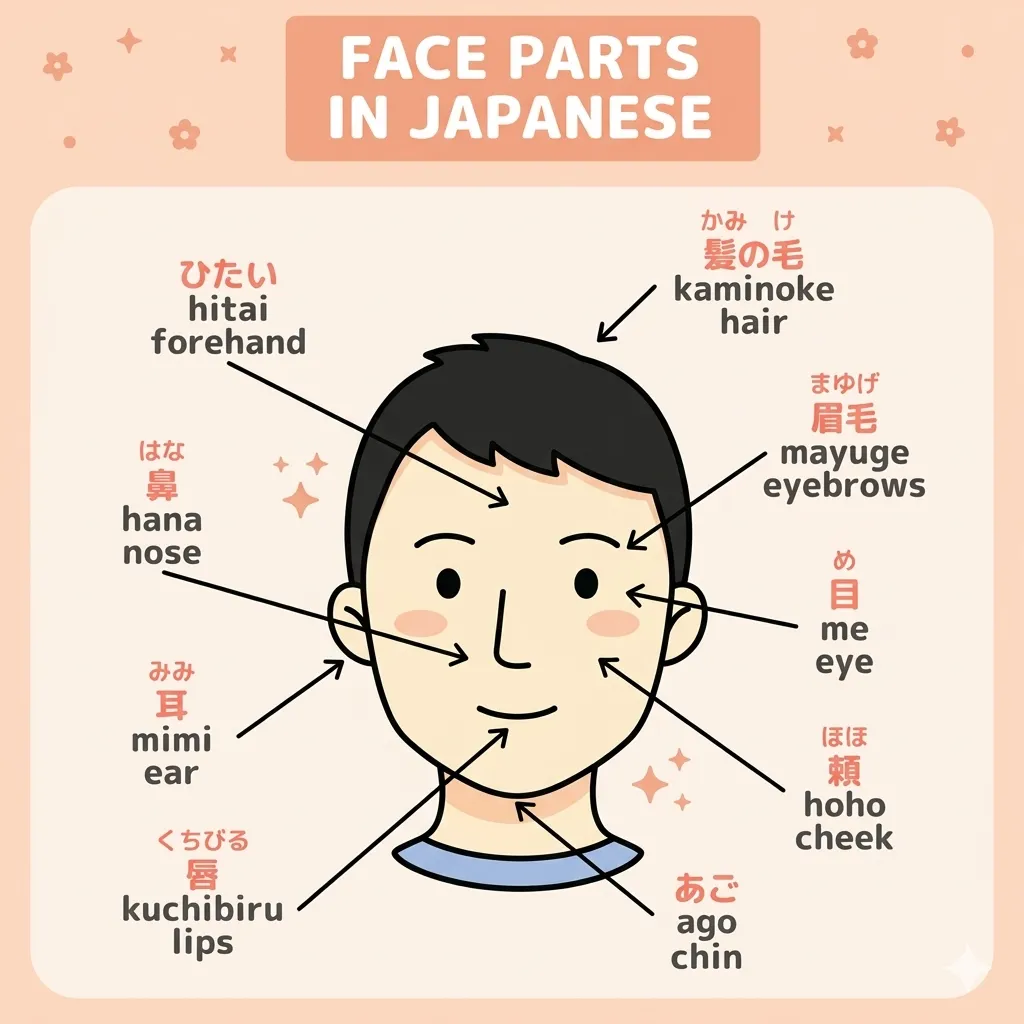
| Kanji | Meaning | Common reading(s) | Useful example |
| 手 | hand | しゅ / て | 上手, 手 |
| 足 | foot / leg | そく / あし | 足, 不足 |
| 目 | eye | もく / め | 目, 目的 |
| 耳 | ear | じ / みみ | 耳, 耳鼻科 |
| 口 | mouth / opening | こう・く / くち | 入口, 口 |
| 顔 | face | がん / かお | 顔, 笑顔 |
| 体 | body | たい・てい / からだ | 体, 体力 |
If you like concrete memory hooks, this is also where kanji radicals start paying off. Characters stop feeling random once you can see the parts instead of treating each one like a brand-new shape emergency.
Group 5: Nature and the five-element beginner favorites
This is the group that makes beginner Japanese feel oddly satisfying. Many of these characters are easy to visualize, easy to spot, and wildly common in early material.
| Kanji | Meaning | Common reading(s) | Useful example |
| 木 | tree / wood | もく・ぼく / き | 木曜日, 木 |
| 水 | water | すい / みず | 水曜日, 水 |
| 火 | fire | か / ひ | 火曜日, 火山 |
| 土 | earth / soil | ど・と / つち | 土曜日, 土 |
| 金 | gold / money | きん・こん / かね | 金曜日, お金 |
| 山 | mountain | さん / やま | 火山, 山 |
| 川 | river | せん / かわ | 川, 河川 |
| 天 | heaven / sky | てん | 天気, 天 |
| 雨 | rain | う / あめ | 雨, 雨天 |
| 気 | spirit / air | き・け | 元気, 天気 |
If you are wondering why this group feels oddly familiar, it is because many of these characters show up early in the calendar, weather, and basic school vocabulary. In other words, they are not just pretty—they are useful.
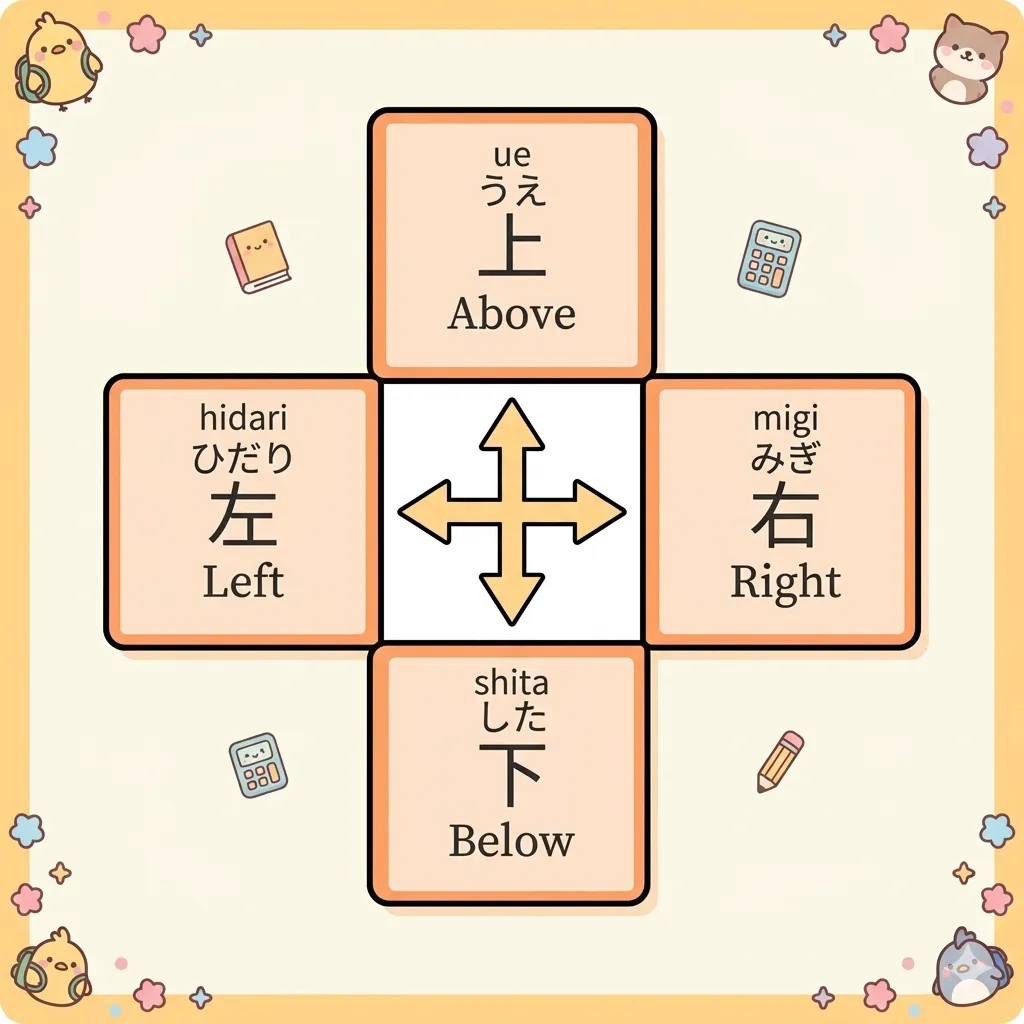
Group 6: Position, size, and the practical descriptive words
| Kanji | Meaning | Common reading(s) | Useful example |
| 上 | up / above | じょう / うえ | 上手, 上 |
| 下 | down / below | か・げ / した | 地下, 下 |
| 中 | middle / inside | ちゅう / なか | 中国, 中 |
| 大 | big | だい・たい / おお | 大学, 大きい |
| 小 | small | しょう / ちい・こ | 小学校, 小さい |
| 多 | many | た / おお | 多い, 多分 |
| 少 | few / little | しょう / すく | 少し, 少年 |
| 新 | new | しん / あたら | 新しい, 新聞 |
| 古 | old | こ / ふる | 古い, 中古 |
| 高 | high / expensive | こう / たか | 高校, 高い |
This is also where a lot of learners start noticing that one kanji can have more than one reading. If that still feels slightly rude, Onyomi vs Kunyomi will make the whole thing feel much less personal.
Group 7: Verbs and motion words that show up all the time
A beginner kanji list should not stop at nouns. Once verbs enter the chat, Japanese starts feeling more alive and a lot less like a pile of labeled objects.
| Kanji | Meaning | Common reading(s) | Useful example |
| 見 | see | けん / み | 見る, 意見 |
| 言 | say | げん・ごん / い | 言う, 言語 |
| 話 | talk / story | わ / はな | 話す, 会話 |
| 聞 | hear / ask | ぶん・もん / き | 聞く, 新聞 |
| 行 | go | こう・ぎょう / い・ゆ | 行く, 銀行 |
| 来 | come / next | らい / く | 来る, 来年 |
| 食 | eat | しょく / た | 食べる, 食事 |
| 飲 | drink | いん / の | 飲む, 飲み物 |
This group matters because kanji really becomes useful once it starts living inside real verbs and real sentences. Otherwise, you are just collecting symbols and hoping the language eventually explains itself.
What this beginner kanji list teaches you besides the list itself
A good beginner kanji list is not just a pile of 50 things to memorize. It is also teaching you patterns.
For example, once you know 学, 校, and 生, school vocabulary starts feeling less random. Once you know 日, 月, 火, 水, 木, and 土, the calendar stops looking like somebody shook a dictionary over it.
That pattern recognition is the real long-term win. The list helps. The system underneath the list is what really keeps paying you back.
How to study this list the smart way
6. Learn 5 to 10 kanji at a time.
7. Attach each character to one or two useful words.
8. Notice radicals and repeated parts.
9. Review the next day before you trust your memory too much.
10. Use quizzes to force recall, not just recognition.
If you want a full method for that, Learn Kanji the Smart Way is the obvious next read. It connects list learning to a real study routine instead of leaving your progress at the level of “I have seen this shape before and would like credit for that.”
Final thoughts
The best beginner kanji list is not the longest one. It is the one you can actually use.
That means common characters, clear examples, and a study method that keeps them attached to real Japanese instead of random memorization.
So start small. Pick a handful from this list. Learn them through words. Then let MochiKanji handle the structured growth while Kanji123 keeps you honest with quick recall checks. Progress is much more useful than panic, and yes, that remains annoyingly true.
FAQ
What is the best beginner kanji list?
The best beginner kanji list focuses on common, useful kanji that appear in everyday Japanese and early study materials.
How many kanji should a beginner learn first?
A beginner can start with 20 to 50 essential kanji, as long as they are learned through real vocabulary and regular review.
Should I learn kanji before katakana?
Most learners do better learning hiragana first, katakana second, and basic kanji after that.
Do I need every reading right away?
No. Start with one useful reading in a real word, then add more readings later when they show up in context.
What is the easiest way to remember beginner kanji?
Use real words, notice radicals and patterns, and review with short quizzes or spaced repetition instead of only rereading a list.