Not every kanji program is worth your time, and your ain would like you to know that.
Looking for the best kanji learning program is one of those tasks that starts out feeling productive and ends with seventeen tabs open, three different philosophies fighting in your head, and the suspicious feeling that everyone else already knows the correct answer except you.
One book tells you to learn meanings first. One app tells you to learn through vocabulary. Another program wants to save your memory with mnemonics. A course promises structure. A drill app promises speed. A handwriting app quietly reminds you that your stroke order has the energy of a raccoon opening a lunchbox.
Meanwhile, you are just trying to answer a normal beginner question: which kanji learning program will actually help me learn kanji without turning study into a second job?
That is what this guide is for. Not the most fashionable system. Not the loudest one. The one that actually helps.
Before we go any further, though, a small reality check: if your kana is still shaky, a kanji learning program is not the first fire to put out. Start with MochiKana, Japanese Alphabet for Beginner, or Japanese Alphabet first. Once hiragana and katakana stop feeling like decorative noodles, kanji becomes much easier to tackle without resentment.
Featured snippet version:
The best kanji learning program for beginners usually combines useful kanji, real vocabulary, spaced repetition, and clear explanations of radicals or recurring parts. The right choice depends on how you study, but beginners tend to do best with systems that are structured, practical, and realistic enough to survive normal life.
The short answer:
A good kanji learning program should help you learn useful characters, attach them to words, review them at the right time, and make the whole system feel less random. If it only looks impressive from a distance, that is not enough.
How to choose a kanji learning program
Most learners start by asking, “Which one is best?” That sounds reasonable. However, it is usually the wrong first question.

A better set of questions looks like this:
1. What does this program actually teach well?
2. How does it teach kanji—meanings, readings, vocabulary, writing, or some mix of all four?
3. How much review does it expect me to manage myself?
4. Can I realistically keep using it on a normal, messy week?
That matters because beginners often choose the wrong program for the right reason. They want structure. They want results. They want something that feels serious. But seriousness is not the same thing as fit.
What a kanji learning program is actually supposed to do
This sounds obvious, but it matters: a kanji learning program is not supposed to make you feel busy. It is supposed to make you better at kanji.
A useful system should help you do most of the following:
· learn common kanji in a sensible order
· connect each kanji to real words and readings
· notice recurring parts such as radicals and components
· review before forgetting
· turn recognition into recall
If a program only teaches shapes, it is incomplete. If it only teaches readings without context, it is incomplete. And if it quietly assumes you will build an entire review system by hand and never get tired, it is optimistic in a way that borders on fiction.
This is why support articles like Kanji Radicals Explained, Onyomi vs Kunyomi, and Learn Kanji the Smart Way matter even if you already have a program. They help the deeper logic click.
Beginner rule of thumb:
If the program makes kanji feel more organized every week, you are probably in a good place. If it makes everything feel more dramatic every week, something is off.
Why people end up choosing the wrong program
Usually because the wrong things are easier to notice.
Programs that look intense, dense, or highly intellectual can feel more legitimate, even when they are a terrible fit for how you actually study. A lot of people choose resources based on the learner they wish they were, not the learner they consistently are.
That is how you end up with a beautifully ambitious system that falls apart the first time your week gets busy.
Kanji is cumulative. So a bad fit does not just waste one study session. It quietly makes every week after that heavier.
Quick comparison: books, courses, and apps
| Resource | Type | Best for | Big strength | Watch out for |
| GENKI + official apps | Book/course | Beginners who want full-course structure | Strong beginner sequence plus official vocab/kanji apps | Kanji is part of a wider course, not the only focus |
| Kodansha Kanji Learner’s Course | Book | Serious learners who want depth and order | Large coverage and clear character organization | Heavier than most beginners need at the start |
| Remembering the Kanji + Kanji Koohii | Book + web tool | Mnemonic-heavy learners | Strong meaning-first memory hooks and free SRS support | Can feel detached from real vocabulary if used alone |
| Human Japanese | Course/app | Beginners who want explanations and context | Integrated lessons, examples, and kanji support | Less kanji-specialized than a dedicated kanji system |
| Skritter | App | Learners who care about handwriting and stroke order | Real-time stroke-level feedback | More writing-focused than reading/vocab-first |
| renshuu | App/web | Learners who want customization | Flexible study ecosystem across kanji, vocab, and grammar | Can feel feature-heavy if you want simplicity |
| Kanji Study | App | Android users who want lookup + study tools | Strong search and self-organized study sets | Android-only |
| MochiKanji + Kanji123 | Program + test tool | Beginners who want structure + quick testing | Useful vocabulary, spaced review, and easy progress checks | Still works best when paired with a clear bigger plan |
Best books for learning kanji
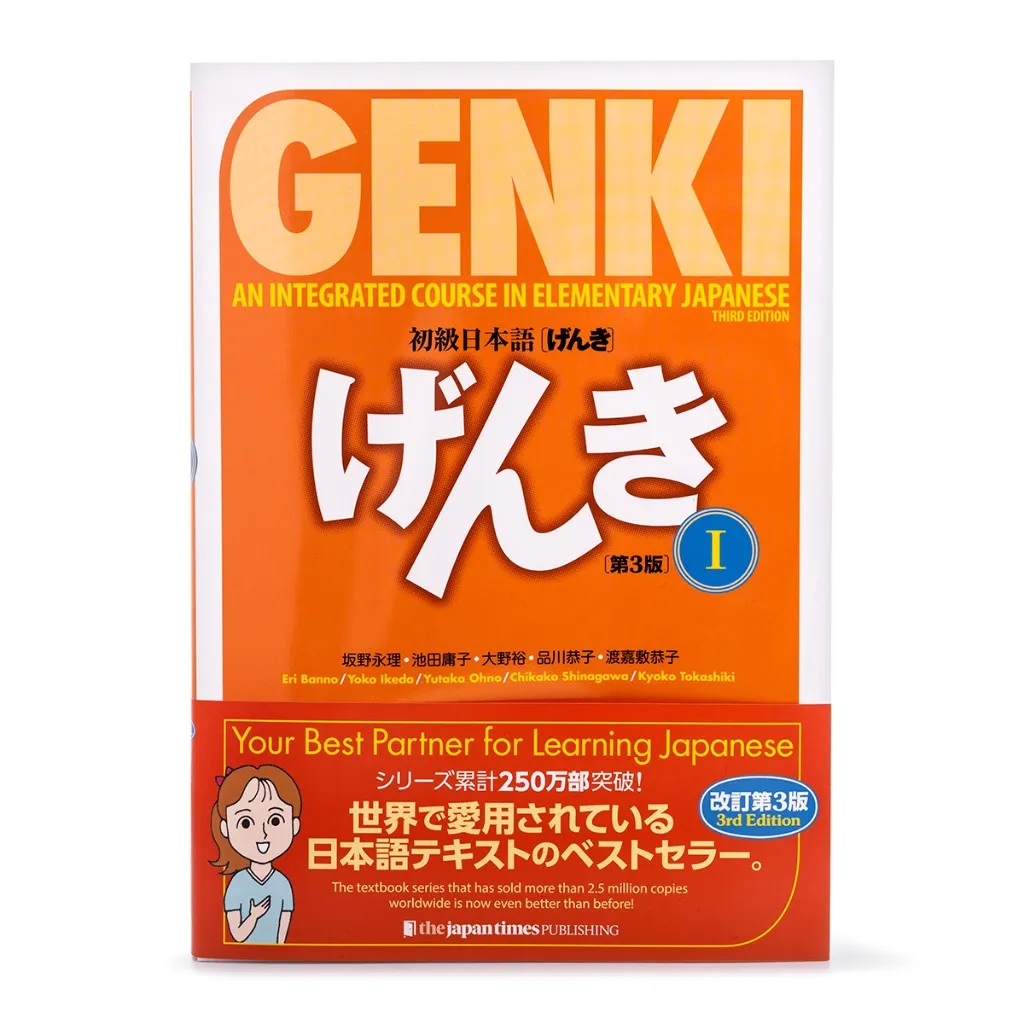
GENKI + the official GENKI apps
If you want kanji to grow inside a full beginner Japanese course rather than as a separate obsession, this is a strong option.
GENKI is explicitly designed for beginning students, and the official site describes it as a study resource for people starting Japanese. The series also has official vocab and kanji apps for the 3rd edition, and the textbook line covers 317 kanji and roughly 1,700 basic words across the course. That makes it especially good for learners who want kanji to grow alongside grammar, reading, and general beginner progress.
The biggest strength here is integration. The biggest weakness is that if you want a truly kanji-first system, GENKI is still a full-course resource before it is a dedicated kanji program.

Kodansha Kanji Learner’s Course
If you want a serious kanji book with depth, this is one of the stronger options. Kodansha’s own description says the book contains 2,300 character entries, including all 2,136 jōyō kanji plus 164 useful non-jōyō kanji.
That alone tells you what kind of book this is: comprehensive, deliberate, and not especially interested in pretending kanji is a small side quest.
The main upside is structure and coverage. The main downside is that the book is heavier than many beginners actually need at the start. If you are still building your first stable study routine, this can be a lot of book to emotionally carry around.
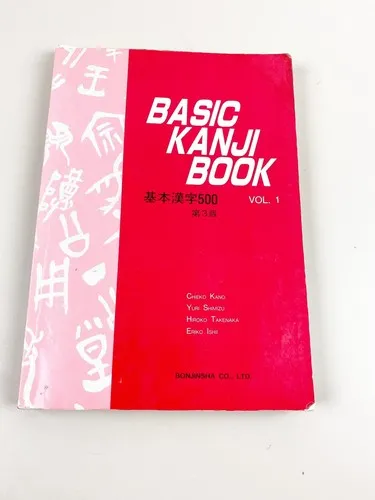
Review: Basic Kanji Book
Basic Kanji Book is much more beginner-friendly in tone and structure. Bonjinsha describes the series as a long-running standard for kanji study among Japanese learners, and the revised Vol. 1 keeps its original concept and syllabus while updating the layout, examples, and support materials. It is designed around basic kanji study, practical use, and ways to remember and retrieve kanji more effectively, which makes it feel more classroom-friendly and approachable than a giant reference book. The revised edition is also easier to use for self-study because it includes answer examples and supplementary materials. That makes Basic Kanji Book a better fit for learners who want guided practice, steady progression, and a book that feels like a teacher is quietly helping instead of silently judging.
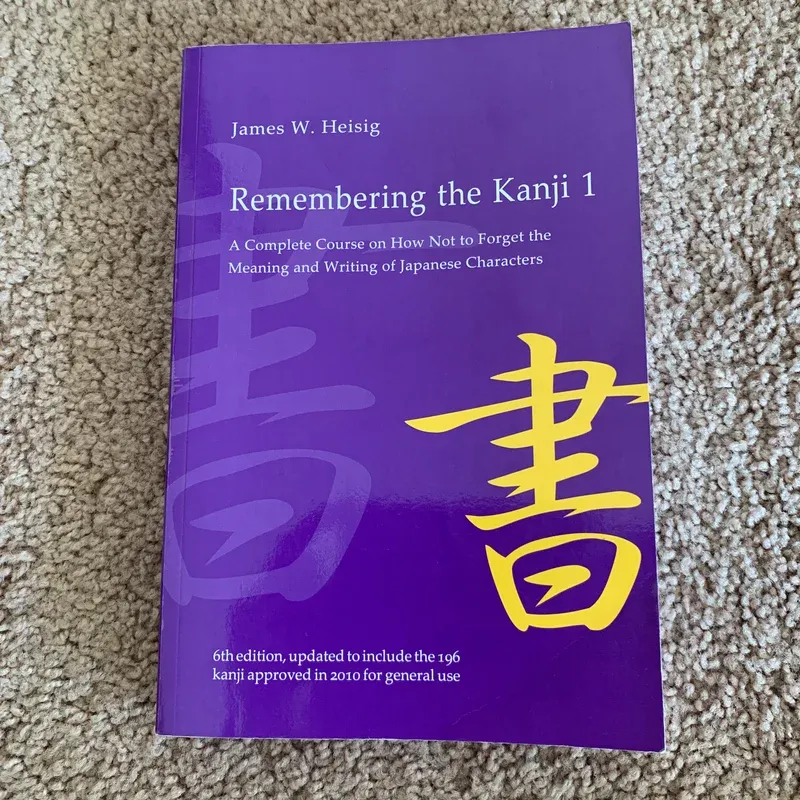
Remembering the Kanji + Kanji Koohii
This approach is best for learners who love mnemonics and want a very explicit meaning-first memory system.
Kanji Koohii is built around the Remembering the Kanji method and describes it as breaking down complex kanji into smaller, simple parts that can be memorized with mnemonic stories. Koohii then adds spaced repetition flashcards, shared stories, and review tools on top of that.
The biggest strength is memorability. The main limitation is that this approach can drift away from real vocabulary if you let it. So if you go this route, pair it with actual words and reading instead of treating stories as the whole game.
Best courses and apps for learning kanji
MochiMochi / MochiKanji
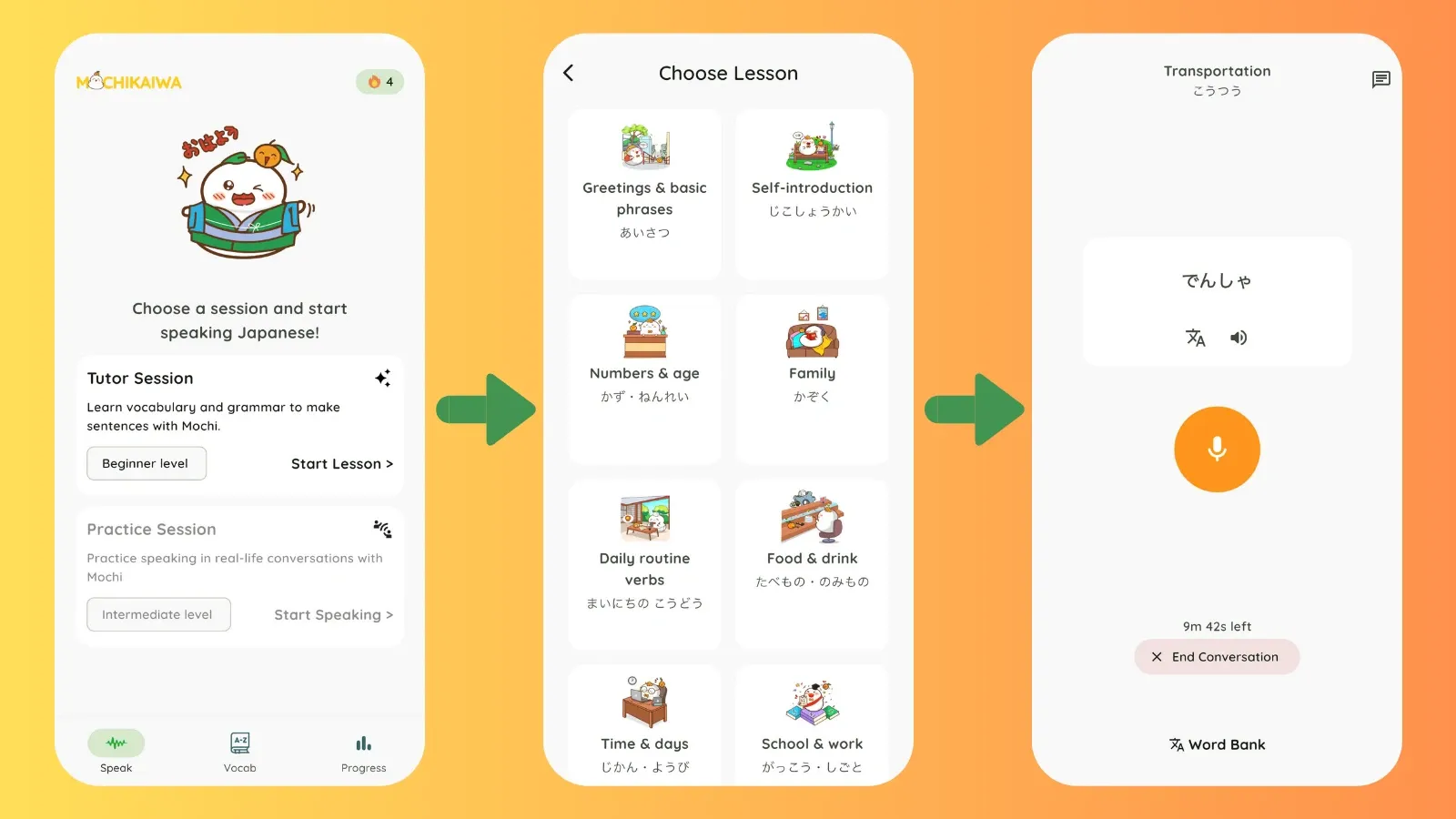
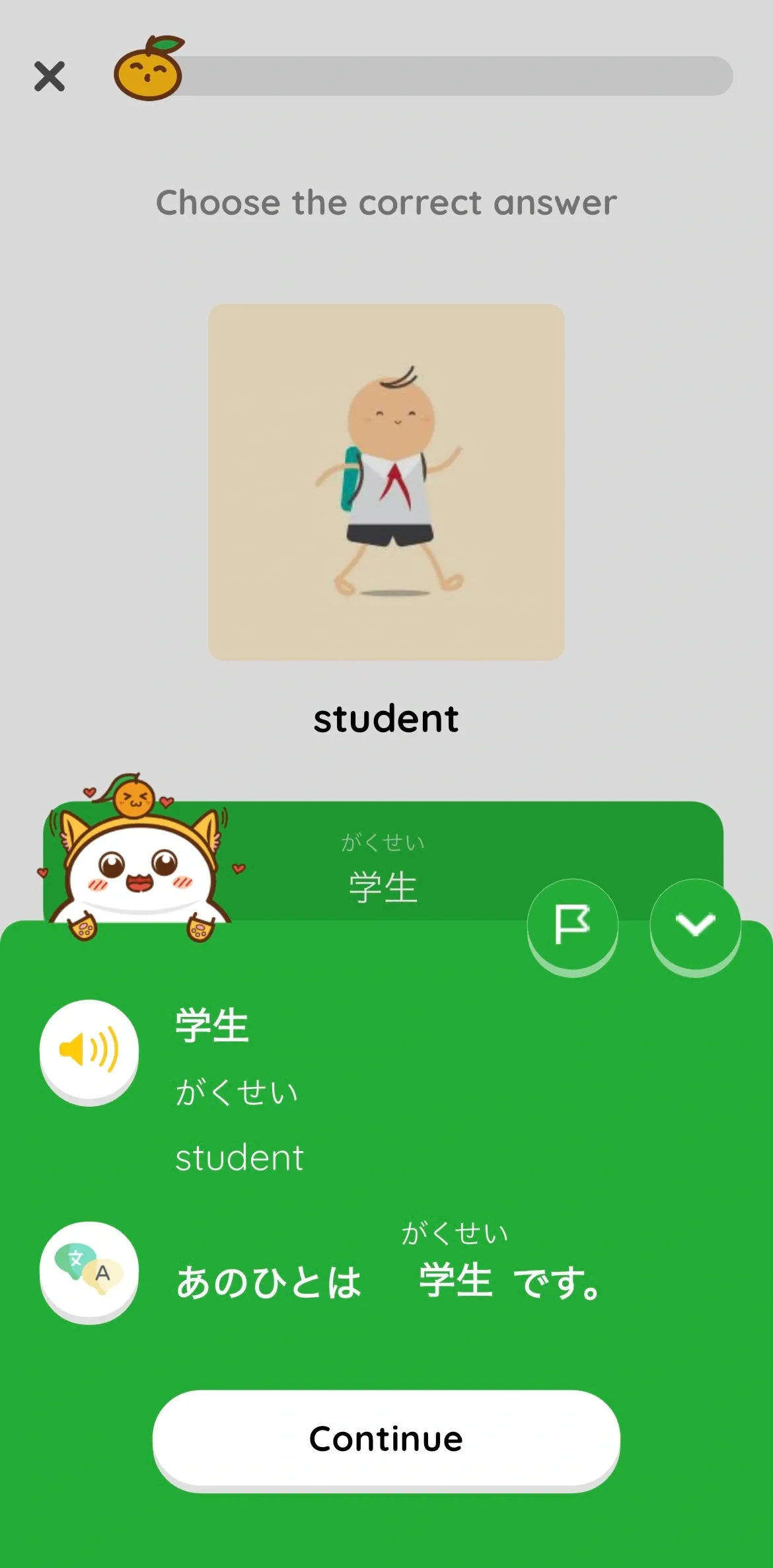
MochiMochi is a strong choice for beginners who want a kanji learning app that feels structured without feeling punishing. The platform describes its Japanese product as a structured learning path with bite-sized lessons and spaced-repetition review, while its support pages highlight the “Golden Time” system that uses your learning history to remind you when to review for better retention. On Google Play, the app is listed as MochiKanji – Learn Japanese, with 100K+ downloads and a 4.5-star rating, which suggests it has already found a solid audience among learners.
What makes MochiMochi especially beginner-friendly is that it does not treat kanji like a pile of isolated symbols. Instead, it leans into learning through vocabulary, short lessons, and repeatable review, which is exactly what many beginners need once the novelty wears off and real consistency becomes the challenge. The bright, friendly design also lowers the intimidation factor, which matters more than people admit. The main limitation is that, like any app-based system, it works best when paired with real reading and occasional testing rather than being your entire Japanese life in one icon.
Human Japanese
Human Japanese is a strong fit if you want explanation-heavy lessons instead of being thrown into a pile of isolated drills.
Its official site says the app family includes thousands of recordings, explanations, lessons, and animations of hiragana, katakana, and kanji. The intermediate product also emphasizes integrated kanji explanations, examples, writing tips, and quizzes.
That makes it especially useful for beginners who want context and guidance, not just flashcards. The tradeoff is that it is still a broader Japanese course, not a pure kanji-specialist system.
Skritter
If stroke order and handwriting matter to you, Skritter is one of the clearest purpose-built tools in that niche.
The official site emphasizes handwriting recognition, real-time stroke-level feedback, and smart flashcards. That makes it very strong if your goal is writing characters accurately and keeping them active through production, not just recognition.
The tradeoff is that Skritter is narrower than a full beginner program. It is excellent for writing and review, but it works best when you already have a broader system for vocabulary and reading.
renshuu
renshuu is strong for learners who want flexibility. The site positions itself as a one-stop platform for vocabulary, kanji, grammar, listening, and dictionaries, and recent updates have added kanji helper schedules tied to vocabulary study.
That makes it appealing if you like customization and a lot of study knobs to turn. The downside is that some beginners may find the feature set a little busy if they really just want one clean lane to follow.
Kanji Study
For Android users, Kanji Study is a very practical tool. The official site describes it as an easy-to-use app for looking up kanji with self-organized sets for studying and quizzing, plus search by readings, meanings, stroke count, JLPT level, and radicals.
That makes it especially useful as a utility app and study companion. It is less of a full curriculum and more of a strong Swiss Army knife, which can be exactly what some learners want.
Best beginner-friendly setup inside one ecosystem
If you do not want to glue five unrelated resources together with hope and browser tabs, a cleaner beginner stack usually works better.
A practical setup looks like this:
· MochiKana for script foundation and kana confidence
· MochiKanji for structured kanji and vocabulary learning
· Kanji123 for quick JLPT-style progress checks and weak-spot detection
That combination gives you a foundation, a structured kanji learning program, and a lightweight testing layer without making you rebuild your whole study plan every two weeks.
If your bigger study picture still feels fuzzy, reset with Japanese learning resource or Learning Japanese – Guideline for beginner so the program has somewhere sensible to live.
Which kind of learner each program fits best
Here is the short practical version.
· If you want kanji inside a full beginner course, start with GENKI plus its official apps.
· If you want a serious reference book with deep coverage, use Kodansha Kanji Learner’s Course.
· If stories and memory hooks help you most, use Remembering the Kanji with Kanji Koohii.
· If you want explanation-rich app lessons, Human Japanese is strong.
· If you want a broad teacher-built app course, LingoDeer fits well.
· If you want handwriting and stroke-order training, use Skritter.
· If you want flexibility and customization, use renshuu or Kanji Study.
· If you want the cleanest beginner ecosystem, use MochiKana + MochiKanji + Kanji123.
If you only remember one thing:
The best kanji learning program is not the one with the loudest reputation. It is the one that teaches useful kanji, fits your actual life, and still feels usable after the novelty wears off.
Final thoughts
A good kanji learning program should make the language feel more organized over time, not more mysterious.
It should help you learn useful characters, connect them to real words, review them before forgetting, and keep going without building your whole week around heroic motivation.
So if you have been trying to find the perfect kanji learning program, stop looking for something that only feels impressive from a distance. Pick the one that helps you study consistently, understand what you are seeing, and move forward with less drama. Start with MochiKanji for structure, keep Kanji123 nearby for reality checks, and let progress be a little less cinematic and a lot more real.
That is usually where the best results come from.
FAQ
What is the best kanji learning program for beginners?
The best kanji learning program for beginners usually teaches useful kanji through real vocabulary, uses spaced repetition, and keeps review manageable.
Are books or apps better for learning kanji?
Neither is automatically better. Books are great for depth and structure, while apps usually make review easier to sustain. Many learners do best with both.
Do I need radicals in a kanji learning program?
Yes, or at least some clear explanation of recurring parts. Radicals help make kanji less random and easier to remember.
Should a kanji learning program teach vocabulary too?
Absolutely. Kanji becomes much easier to retain when it is attached to real words rather than learned as isolated characters.
What should I use with a kanji learning program?
A lightweight testing tool like Kanji123 can help you check whether what you are learning is actually sticking.