You’re beginning to learn Japanese, so you need to learn hiragana. These characters form the foundation of Japanese reading and grammar, so mastering them early will make the rest of your learning journey much smoother.
The good news is that learning Hiragana does not take as long as many people think. With the right study method and consistent practice, most beginners can memorize all characters in about a week.
Let’s look at how long it usually takes and how you can learn it faster.
What Is Hiragana?
Hiragana is a phonetic Japanese writing system made up of 46 basic characters, and each character represents a sound used to form Japanese words and grammar.
It is also the first writing system most beginners learn. After mastering Hiragana, learners usually move on to Katakana, and then to Kanji, which represents meaning rather than sounds.
How Long Does it Take to Learn Hiragana for Most Beginners?
The time needed to learn Hiragana depends on how often you study. However, most beginners follow a similar learning timeline.
Most beginners can learn Hiragana surprisingly quickly. Because the system contains only 46 phonetic characters, memorizing them usually does not take very long with consistent practice.
For many learners, recognizing most characters takes only a few days. With about 20–30 minutes of study per day, beginners often memorize all Hiragana within one to two weeks. Some learners even finish faster if they study more intensively.
However, the key factor is consistency. Short daily study sessions tend to work better than occasional long study sessions. By reviewing characters regularly and reading simple words, most beginners become comfortable with Hiragana in a short time.
Tips to Learn Hiragana Faster
Although Hiragana is relatively simple, a few strategies can help you learn it faster and remember the characters more easily.
Use Mnemonics to Remember Characters: Mnemonics can make Hiragana much easier to memorize. A mnemonic connects the shape of a character to a memorable image or story.
For example:
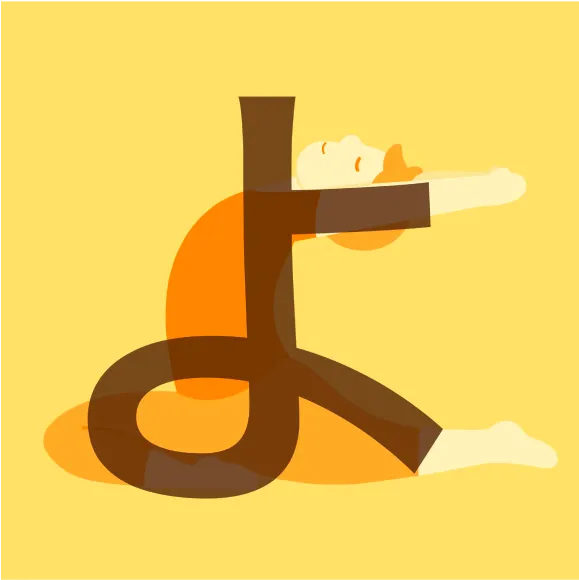
よ looks like a yoga stretch pose. The shape suggests flexibility and balance. Picture someone doing yoga whenever you see よ.
These small mental images help your brain recall characters much faster. You can explore more examples in our Hiragana Mnemonic Chart.
Practice Every Day: Daily practice improves memory dramatically. Even short sessions help reinforce recognition.
Write the Characters: Writing Hiragana strengthens memory. It also helps you recognize characters faster while reading. Try writing each character several times while repeating the sound.
Read Simple Words: Learning characters in context improves retention. Reading real words makes learning more engaging.
Use Spaced Repetition: Spaced repetition helps you review characters before you forget them. This method dramatically improves long-term memory. Many learners use apps like MochiKana to review Hiragana efficiently.
What Comes After Hiragana?
Once you master hiragana, katakana comes next. Good news: it is faster.
Katakana uses the same sounds as hiragana. Only the shapes differ. It is mainly for foreign words, names, and loanwords. It is also used for onomatopoeia and emphasis. Because the sounds are identical, learners usually pick it up much faster.
We have a complete Katakana Ultimate Guide to walk you through it. To make this transition smooth, our Kana learning app lets you practice both Hiragana and Katakana daily in a fun, interactive way. Short daily exercises help reinforce memorization and reading skills without feeling overwhelming.
Once you feel comfortable with both alphabets, the next big milestone is Kanji. Unlike Hiragana and Katakana, Kanji represents meaning rather than just sounds, making it more complex but essential for reading Japanese.