Not every Japanese learning resource deserves a place in your study routine. These ones do.

Learning Japanese feels overwhelming at first. However, the right Japanese learning resource changes everything. Today, more free tools exist than ever before. Therefore, you have no excuse to delay STARTING.
This guide covers the best Japanese learning resources across every skill — kana, kanji, listening, reading, and speaking. Furthermore, every tool in this list is free or has a generous free tier. Whether you are a total beginner or an intermediate learner, you will find something useful here.
Why Picking the Right Japanese Learning Resource Matters
Not every tool suits every learner. In fact, using the wrong resource wastes time and kills motivation. Therefore, knowing your level and goals before you pick a tool is critical.
For example, beginners need hiragana & katakana first. Intermediate learners need vocabulary exposure and listening practice. Additionally, some learners love podcasts while others prefer apps. Because every learning style differs, this guide groups resources by level and skill.
The good news is that most of the tools below cost nothing. So, you can try them and find your perfect fit.
The Best Japanese Learning Resource for Beginners
Comprehensible Japanese (YouTube)
Comprehensible Japanese is one of the most loved beginner resources online, and for good reason. Host Kimura Yuki speaks slowly and clearly — entirely in Japanese — from the very first video. She uses simple hand-drawn illustrations and pictures to support every explanation, so you understand the meaning even when individual words escape you. Because she avoids English completely, your brain is forced to build real comprehension rather than rely on translation.
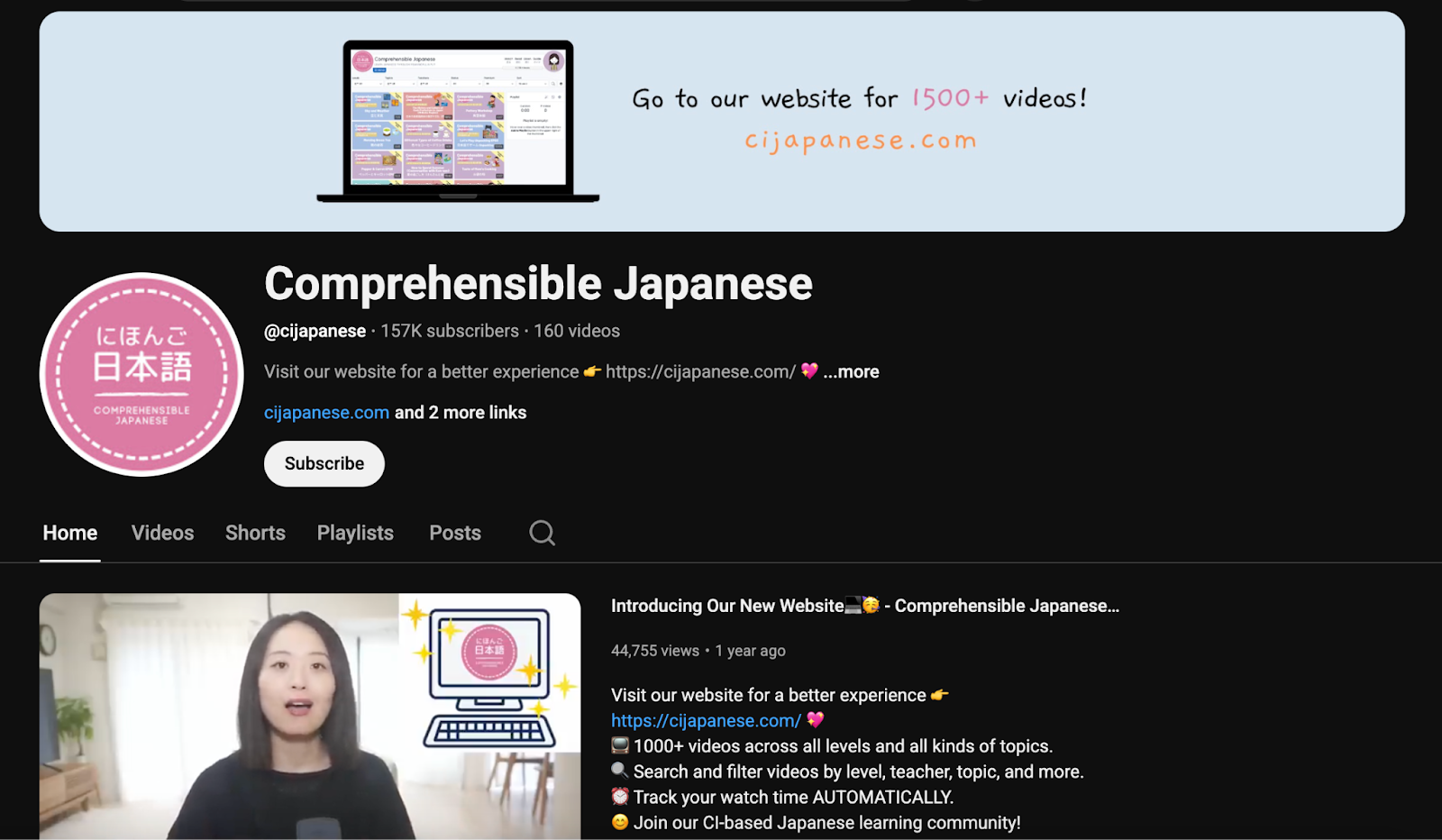
What sets this channel apart from similar resources is its structure. Yuki groups her videos by difficulty — absolute beginner, beginner, and intermediate — so you always know exactly where to start. In addition, she provides transcripts on her website in three furigana formats: furigana with spaces, regular furigana, and no furigana at all. Therefore, you can challenge yourself progressively as your reading improves. The videos cover a wide range of topics including Japanese culture, history, seasonal traditions, and personal stories, which means studying never feels repetitive. Furthermore, the warm, casual atmosphere makes each video feel like a private lesson with a patient teacher.
💰 Price: Free (premium subscription ~$5/month for bonus content and extra transcripts)
🔗 Link: Comprehensible Japanese – YouTube
Japanese with Shun (Podcast)
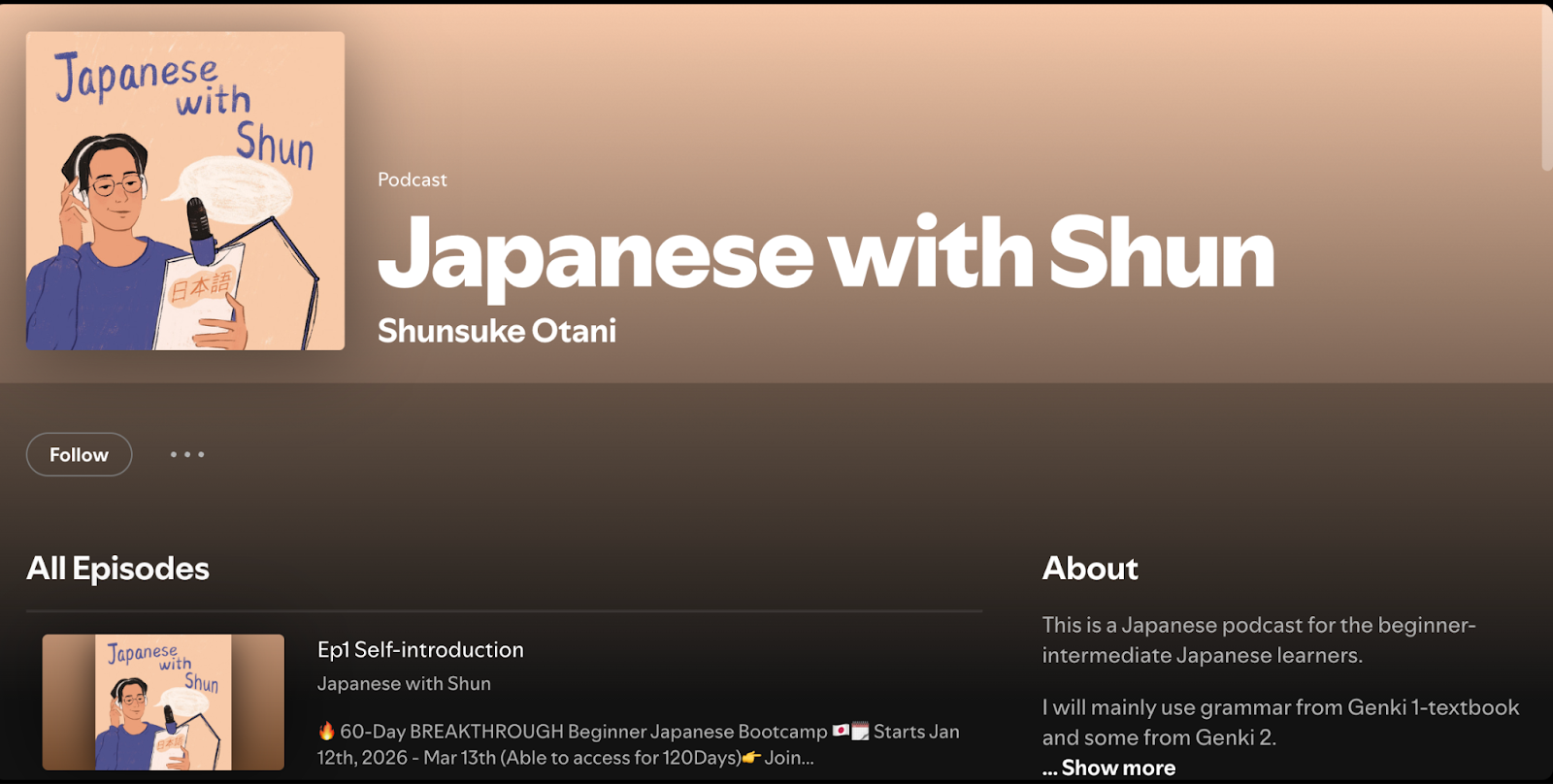
Japanese with Shun is a beginner-focused podcast built around one very smart rule: Shun limits his vocabulary and grammar strictly to the points covered in the Genki 1 and Genki 2 textbooks. This constraint means that almost any Japanese learner who has done some basic study can follow along without feeling lost. Therefore, it is one of the safest entry points into real Japanese listening practice.
Shun speaks slowly, but not unnaturally so. He pauses between phrases the way a thoughtful native speaker might — giving you time to process without sounding robotic. In addition, his topics feel genuinely interesting: daily routines, Japanese food, travel, and cultural observations appear across the catalog. Each episode runs only 5 to 10 minutes, which makes it easy to build a consistent daily habit. Furthermore, Shun himself is a qualified Japanese teacher, so his explanations of grammar and phrasing are accurate and trustworthy. For beginners who feel intimidated by native-speed podcasts, this is the most approachable stepping stone available.
💰 Price: Free
🔗 Link: Spotify – Japanese with Shun
NHK Activate Your Japanese! (Video Drama)
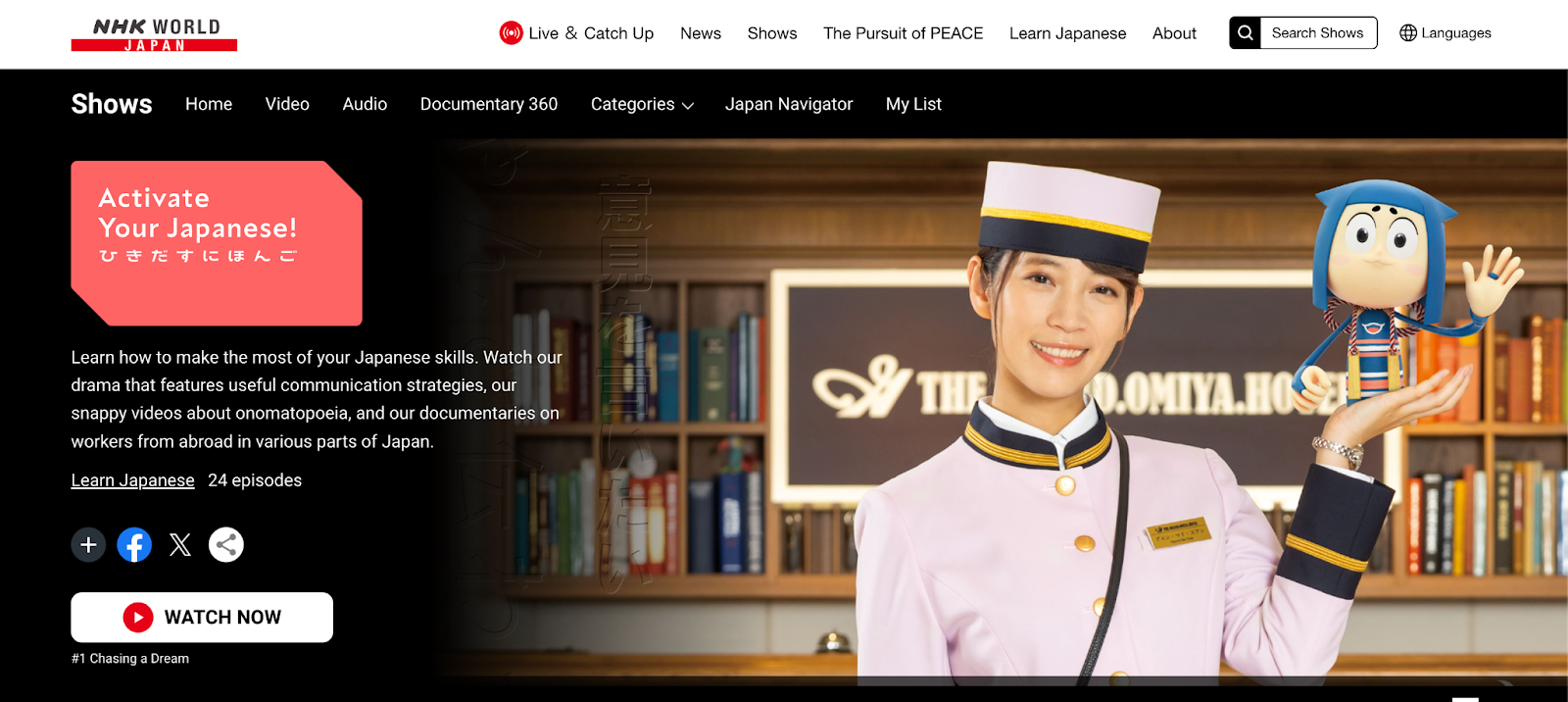
NHK — Japan’s national broadcaster — produced this outstanding 24-episode drama series specifically for Japanese language learners worldwide. The show follows Xuan, a Vietnamese woman who moves to Japan to work in a hotel, and chronicles her journey of adjusting to Japanese life, culture, and communication. Because the writing team designed every episode with language learners in mind, the Japanese used throughout is practical, natural, and rich with real communication strategies.
Each 15-minute episode is divided into four distinct segments. The main skit shows Xuan navigating a real-life situation. The “Today’s Strategy” segment then zooms in on one key communication phrase from the skit, providing multiple example sentences and usage notes. Next, the onomatopoeia section introduces one common Japanese sound-word with clear context. Finally, the “Welcome to My Japan” segment features real immigrants sharing their life in Japan. In addition, every episode includes translated captions in multiple languages and a full downloadable transcript — ideal for simultaneous reading and listening practice. Furthermore, the series links out to NHK’s broader learner ecosystem, including survival phrase guides and conversation lesson libraries. Because it is available free until 2027, you have plenty of time to work through all 24 episodes at a comfortable pace.
💰 Price: Free (available until 2027)
🔗 Link: nhk.or.jp – Activate Your Japanese!
Top Japanese Learning Resource for Intermediate Learners
JPDB.io (Vocabulary + SRS)
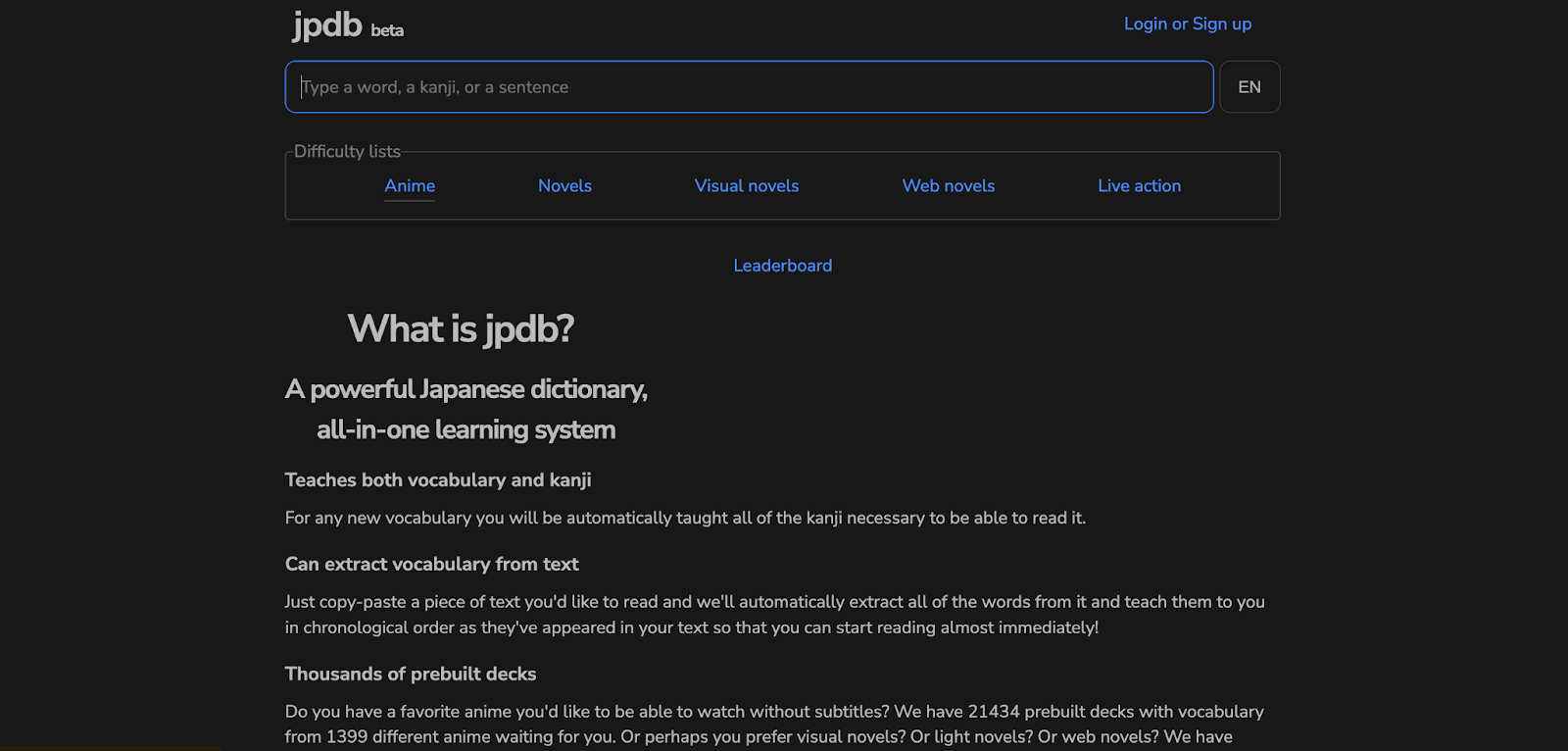
JPDB.io takes a fresh approach to vocabulary learning that many intermediate learners find genuinely transformative. Rather than studying generic word lists, JPDB lets you choose a specific anime, novel, drama, or game — and then pre-learns the vocabulary from that exact media before you start consuming it. Therefore, when you finally press play on that anime or open that novel, you arrive already equipped with the most important words in context.
The SRS engine underneath JPDB is robust and well-calibrated. In addition, the site tracks every word you know globally, so it can recommend new media specifically suited to your current vocabulary level. This means you never waste hours searching for “appropriate native material” — JPDB does that calculation for you automatically. The media database covers thousands of anime titles, light novels, visual novels, and more. Furthermore, the interface is clean and review sessions are fast once you find a rhythm. The core system is completely free. However, bonus features like advanced deck customization and analytics are unlocked through a Patreon subscription starting at $5 per month.
💰 Price: Free (bonus features via Patreon from $5/month)
🔗 Link: jpdb.io
Immersion Kit (Anime Sentences + Anki)
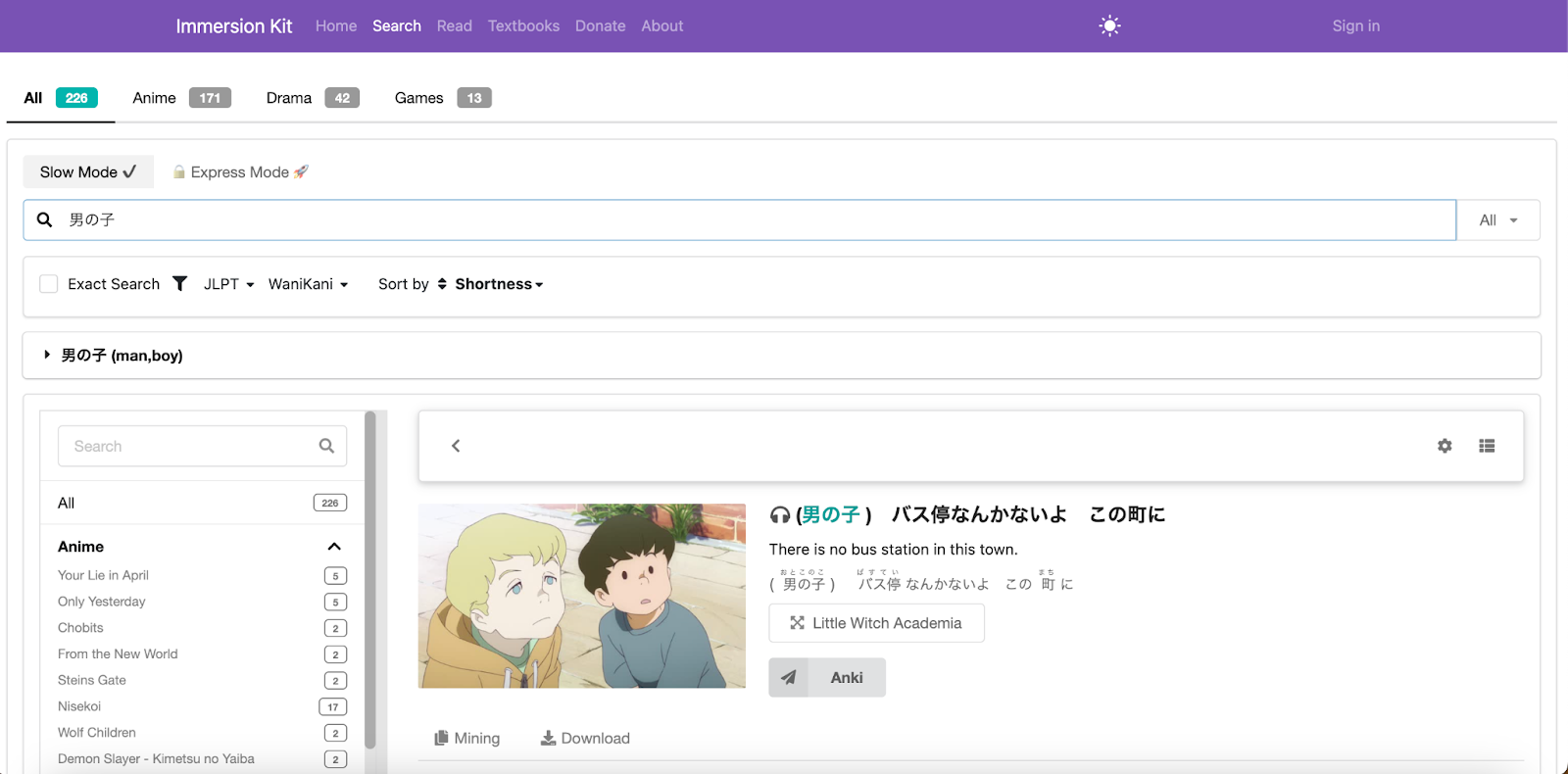
Immersion Kit is one of the most practical flashcard tools available for intermediate Japanese learners. The site’s database contains over 400,000 sentences drawn from anime, each one paired with a screenshot from the exact moment in the show and the original audio clip of that line. Because you see and hear each sentence in its real context, vocabulary sticks far more naturally than it would from a plain word list.
You can search any Japanese word or expression, and Immersion Kit returns multiple sentence examples using that word — each from a different anime series. Furthermore, you can filter results by JLPT level, WaniKani level, or specific anime title, so you can build themed decks or align your material to a test-prep curriculum. When you find a sentence you want to study, you can download the complete Anki card — screenshot, audio, and text — directly in one click. Therefore, building a personalized, media-rich vocabulary deck takes minutes rather than hours of manual card creation. The tool also supports dramas, games, literature, and news, though the anime database is by far the largest and most complete section.
💰 Price: Free
🔗 Link: immersionkit.com
YomuJP (Reading + Listening)
YomuJP solves one of the most persistent challenges for intermediate Japanese learners: finding reading material at exactly the right difficulty. The site offers articles across six difficulty tiers, from an introductory Pre-N5 level — easier than even the JLPT’s lowest N5 — all the way up to advanced N1 content. In addition, each article comes paired with a native speaker audio recording, so you practice reading and listening simultaneously with the same text. This dual-skill practice is especially efficient for learners preparing for the JLPT.
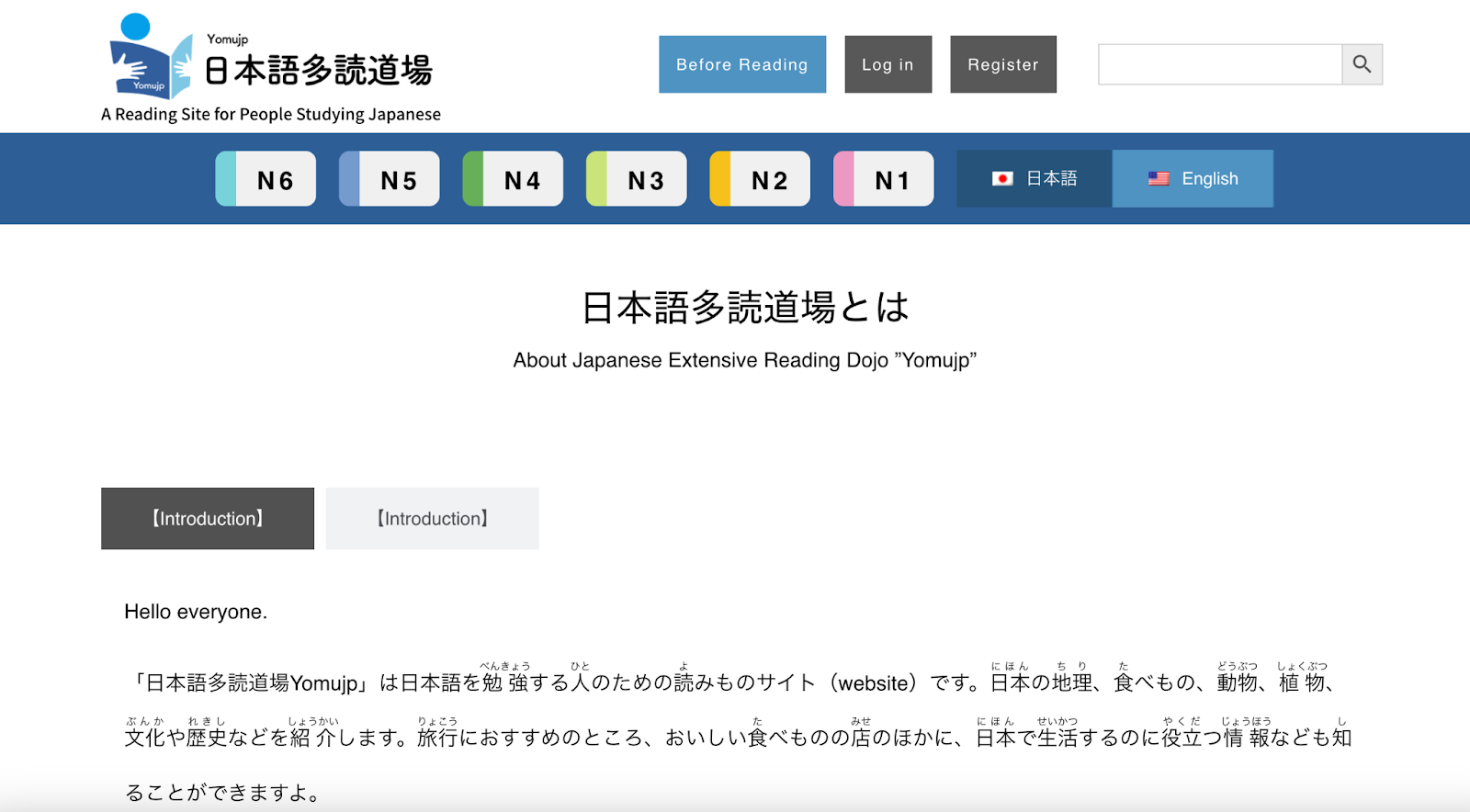
Topics are varied and genuinely interesting — covering everyday life, culture, travel, and food. Because new articles appear consistently, the content library grows over time and returning users always find something fresh. Furthermore, the layout is clean, minimal, and comfortable to read on both desktop and desktop. Each article includes pictures to support comprehension, and you can browse by tag as well as by difficulty level. Therefore, YomuJP works perfectly as a short, productive daily reading habit even for busy learners.
💰 Price: Free
🔗 Link: yomujp.com
Japanese Learning Resource for Listening Practice
Strong listening skills unlock Japanese media — TV, podcasts, music, and real conversation. However, most beginners avoid listening because it feels too hard. The resources below solve that problem directly.
Megumi’s Daily Japanese Adventures (Podcast)
Megumi’s Daily Japanese Adventures is a podcast that makes intermediate listening practice feel genuinely relaxing. Each episode centers on a story from Megumi’s own life — travel experiences, reflections on Japanese culture, food adventures, and personal observations. Because the storytelling approach creates a clear narrative thread, you stay engaged even when you miss individual words. The background music adds an ambient, almost meditative quality that separates this podcast from drier study-focused alternatives.
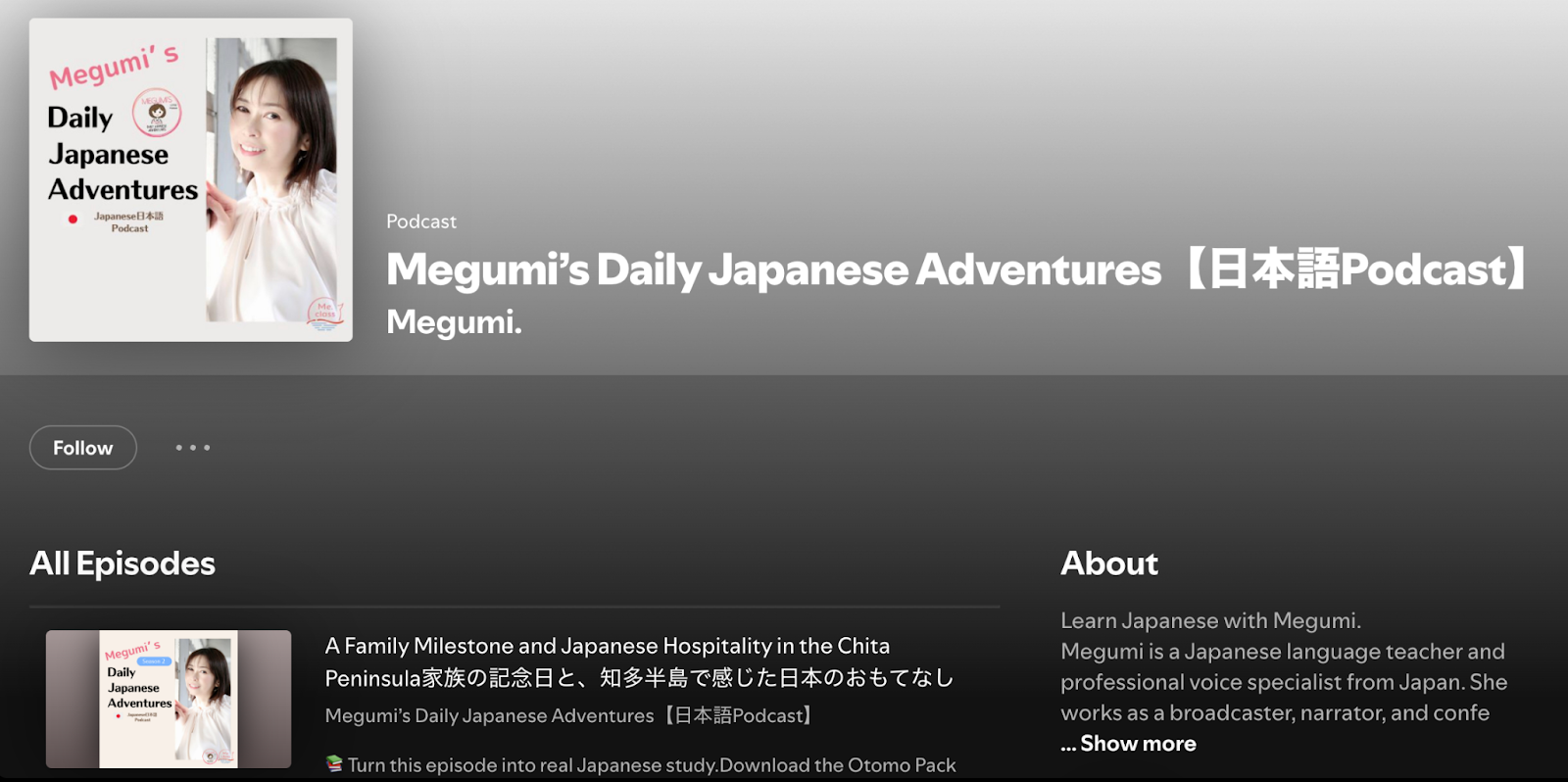
Megumi speaks at a pace that respects learner needs without sounding scripted or artificial. In addition, transcripts for every episode appear on her website, complete with English translations of advanced vocabulary at the end. Therefore, you can use the transcript for pre-listening preparation, read along while you listen, or review the script afterward to confirm what you heard. Episodes run approximately five minutes — long enough to build genuine comprehension but short enough to complete even on the busiest day. Furthermore, the show’s warm, personal tone makes it feel like a conversation with a friend in Japan rather than a formal study session.
💰 Price: Free
🔗 Link: Spotify – Megumi’s Daily Japanese Adventures
Lazy Fluency (Bilingual Podcast)
Lazy Fluency takes a refreshingly honest approach to listening practice. Hosts Joey and Ayami are bilingual in Japanese and English, and they switch between both languages naturally throughout every episode — not as a teaching strategy, but simply because that is how bilingual speakers actually communicate. Because the English sections fill comprehension gaps automatically, intermediate learners can follow the full conversation without frustration.
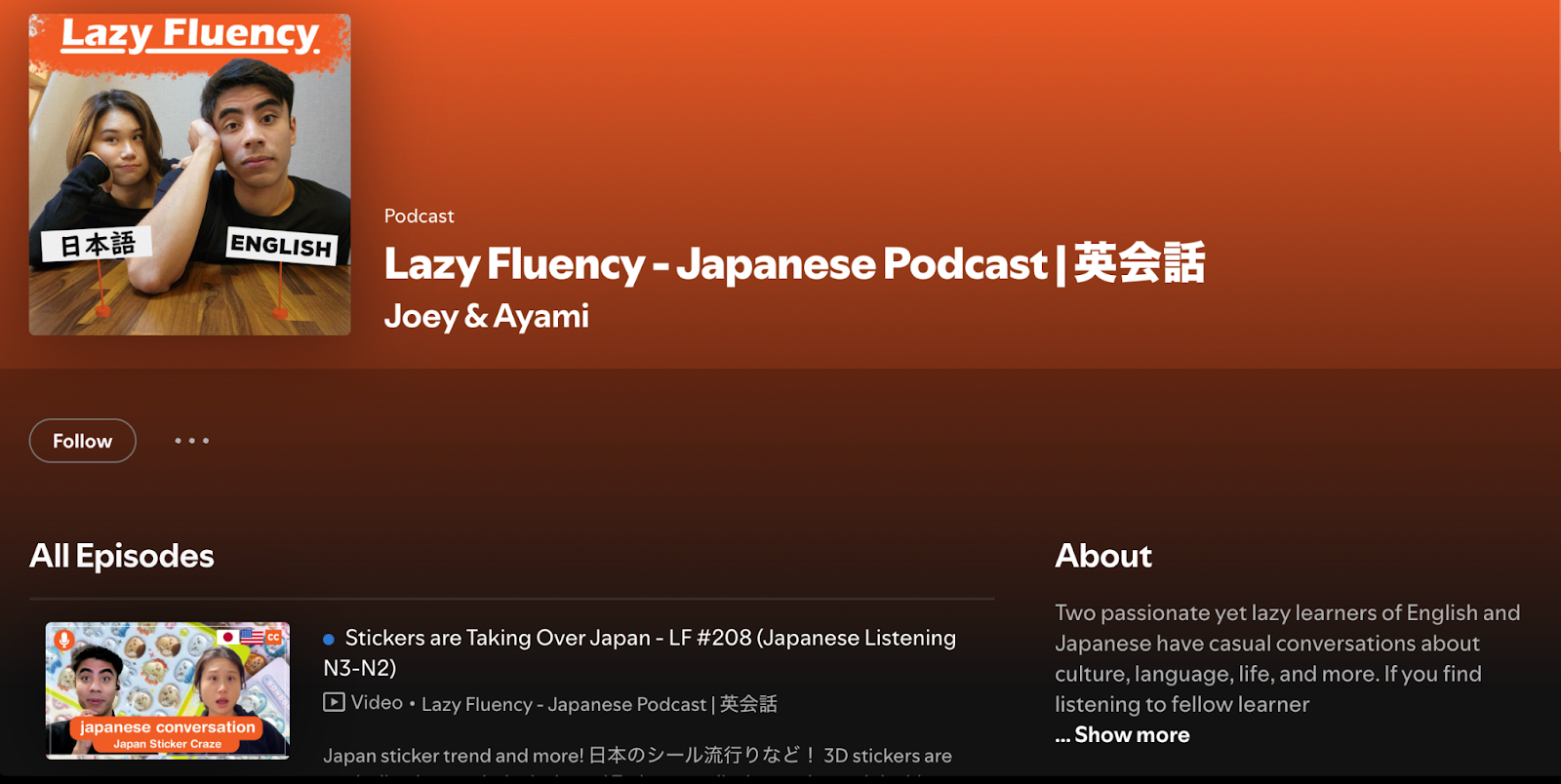
Topics range widely and keep things lively. Some episodes tackle current events or cultural commentary, while others wander into oddly specific territory — debates about the perfect fruit, desert island packing lists, or the philosophy of laziness. In addition, the chemistry between Joey and Ayami is natural and genuinely funny, making the show entertaining even as study material. Episodes run approximately 50 minutes each, which makes them ideal for commutes, exercise sessions, or weekend listening. Furthermore, the bilingual format means you absorb Japanese in real conversational rhythm rather than in isolated drills. However, advanced learners may eventually outgrow the English support and graduate to fully Japanese-language podcasts — which is exactly the goal.
💰 Price: Free
🔗 Link: Spotify – Lazy Fluency
Japanese Learning Resource for Kanji and Grammar
Kanji is often the biggest hurdle in the Japanese language. However, the right Japanese learning resource makes it manageable and even enjoyable.
Japanese Graph (Kanji Visual Explorer)
Japanese Graph approaches kanji from a direction that traditional flashcard methods simply cannot replicate. When you search any kanji character, the tool maps every related compound word and character combination as a clickable node around it. Because you see the entire family of a kanji laid out visually at once, you begin to understand patterns rather than memorizing isolated facts. This pattern recognition is one of the most powerful accelerators in kanji learning.
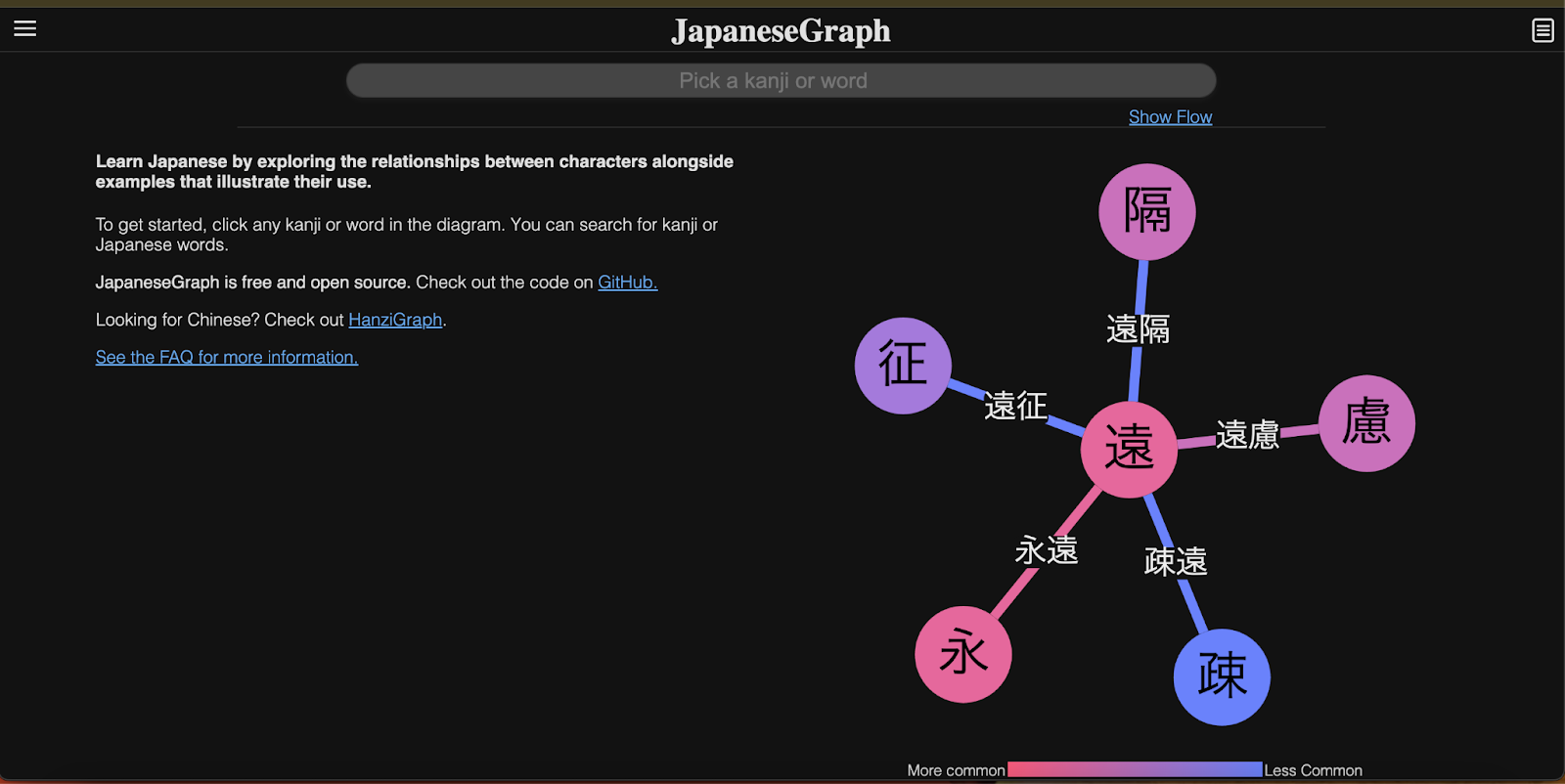
The nodes are color-coded by character frequency or JLPT level — your choice — so you immediately see which compounds deserve your attention first. Clicking any node expands the network further, revealing deeper relationships across the entire kanji system. In addition, the left panel shows a basic definition and example sentences for any selected character, providing context alongside the visual network. The built-in SRS flashcard system lets you mark characters for study and review them with a spaced repetition algorithm. Furthermore, all data is stored locally in your browser, so no account creation is ever required. When you are ready to move to a dedicated SRS tool, you can export your saved cards directly in Anki-compatible format.
💰 Price: Free
🔗 Link: JapaneseGraph
JLPT Grammar Lists by Chika Sensei (PDF Resource)
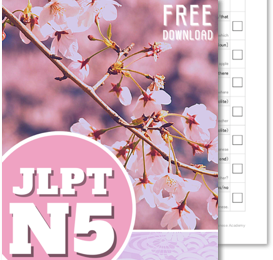
Chika Sensei’s JLPT Grammar Lists are among the most practical free grammar tools available for test-takers at every level. The process is simple: submit your name and email on her website, and she sends download links for grammar lists covering N5, N4, N3, N2, and N1. Each list is carefully formatted, comprehensive, and immediately usable without any additional app or platform.
Every grammar point includes a clear example sentence showing real-world usage. At N5 and N4 levels, Chika provides English equivalents for each structure alongside English translations of every example sentence — a tremendous help for learners still building their Japanese foundation. As you advance through N3 and N2, the English support gradually reduces, encouraging you to think more directly in Japanese. By N1, all English disappears entirely and multiple Japanese example sentences replace it, giving advanced learners the immersive challenge they need. In addition, every grammar point comes with a checkbox so you can physically tick items off as you master them. Because the paper-based format works offline and without screens, these lists are especially useful for focused study sessions away from your device. Furthermore, the entire collection is free — making it one of the most generously designed resources in this guide.
💰 Price: Free
🔗 Link: JLPT Grammar List and Example Sentences Free Download – Chika Sensei’s Japanese Academy
Kanji123.org (Quick JLPT Kanji Tests)
Kanji123.org is a fast, no-friction kanji testing site designed for learners who want an honest measure of where they stand. The site offers 10 timed tests at each JLPT level — covering N5, N4, N3, and N2 — with each test lasting exactly 10 minutes. Because no account is ever required, you can open the site, choose your level, and begin within seconds. There is no setup, no sign-up form, and no paywall blocking any content.
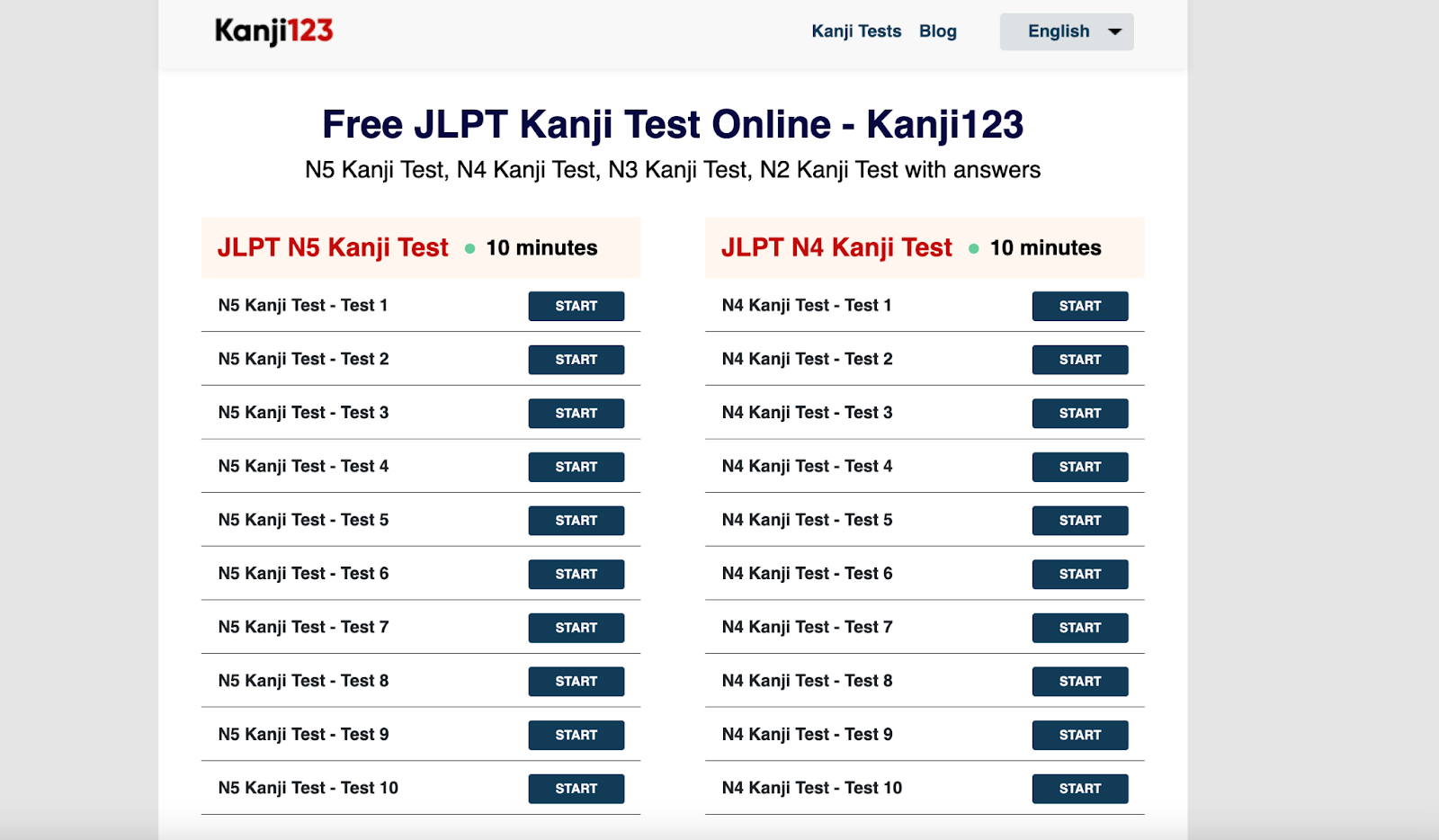
Source: Kanji123
The multiple-choice format mirrors the style of the actual JLPT exam, so the tests serve as useful low-pressure exam practice. In addition, the site is available in eight languages — including Vietnamese, Thai, Filipino, Hindi, and Indonesian — making it one of the most internationally accessible kanji tools available anywhere online. However, it is important to understand what Kanji123 is and is not. It functions as a self-assessment tool, not a teaching tool. When you get an answer wrong, the site shows you the correct answer but does not explain the kanji’s meaning, reading, or etymology. Therefore, pair it with a dedicated learning resource like MochiKanji’s vocabulary and kanji system to grow your kanji knowledge between tests. Think of Kanji123 as your diagnostic thermometer — useful for checking your temperature, but not for curing the fever.
💰 Price: Free
🔗 Link: Free JLPT Kanji Test Online – Kanji123
Before That, Learn Hiragana and Katakana First!!!
Before you touch any other Japanese learning resource, you need to master hiragana and katakana. These two alphabets form the backbone of the Japanese writing system. Without them, you cannot read anything — not signs, not menus, not manga, and not subtitles.
MochiKana — The Easiest Way to Learn the Japanese Alphabet
Fortunately, MochiKana makes kana learning fast and genuinely enjoyable. The app breaks each of the 46 hiragana and 46 katakana characters into short, focused visual lessons. In addition, it uses spaced repetition so your brain retains each character at exactly the right intervals. Because the review sessions adapt to your performance, you never waste time on characters you already know.
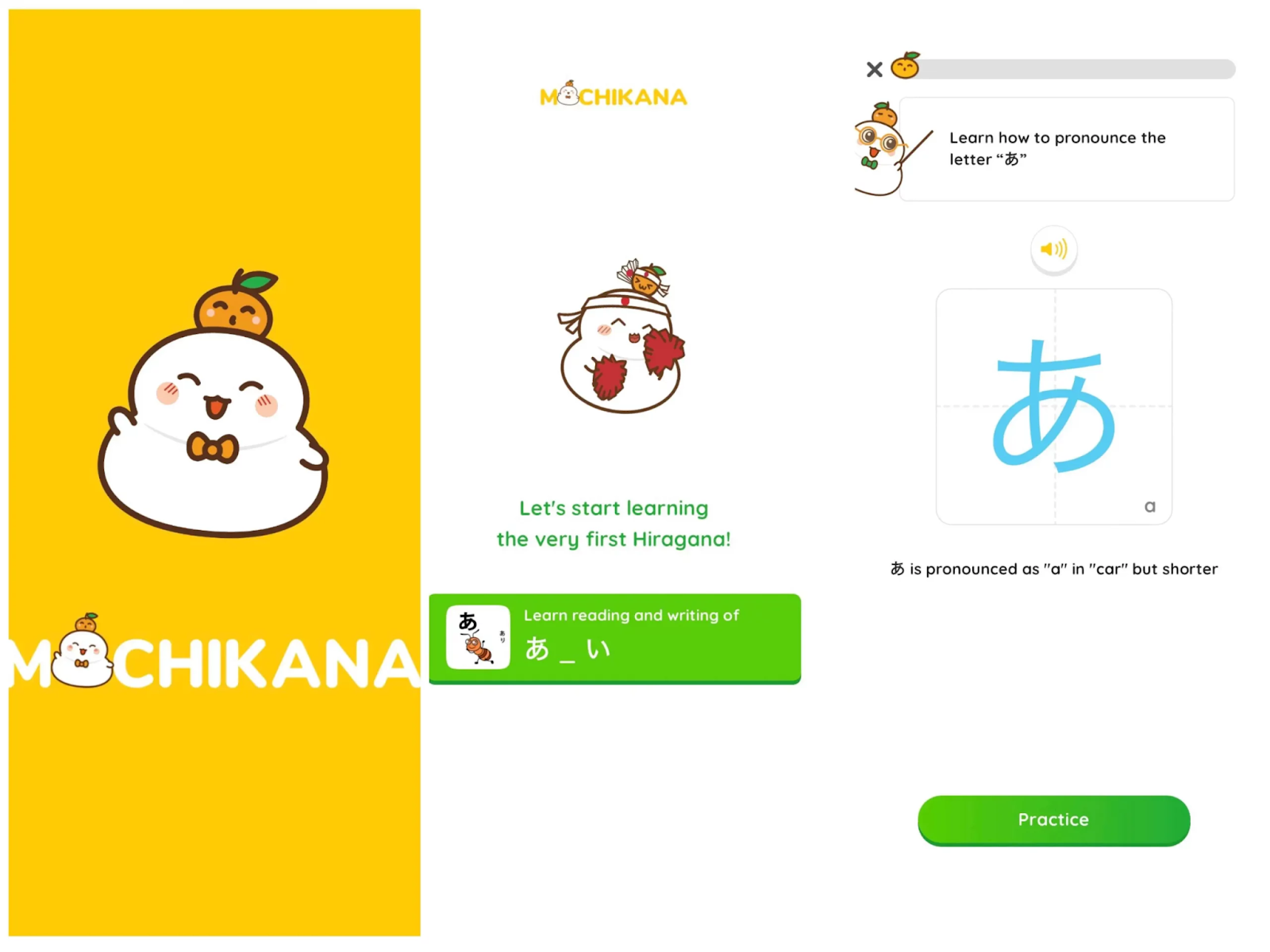
Most learners complete hiragana in just three to five days with daily practice. Furthermore, the built-in quiz system confirms your retention before you move on. In addition, MochiKana’s free hiragana chart is a handy reference to print or bookmark for quick review at any stage. After kana, you can explore Japanese vocabulary through MochiKanji’s companion vocabulary tools.
💰 Price: Free
🔗 Link to the learning session
How to Build a Daily Routine Using These Resources
A great Japanese learning resource only works when you use it consistently every single day. Therefore, building a routine matters just as much as choosing the right tools.
A Simple 30-Minute Daily Schedule
First, spend 10–15 minutes on kana or kanji review. MochiKana’s spaced repetition system makes this quick and effective. Next, listen to one short podcast episode — Japanese with Shun or Megumi’s Daily Japanese Adventures both work well for this slot. After that, read one YomuJP article at your current level.
In addition, consider replacing background noise with Japanese content during chores or commutes. Comprehensible Japanese plays well in the background without requiring your full attention. Finally, use Immersion Kit to build Anki cards from new words you encounter throughout the day. This routine covers all four skills — reading, listening, vocabulary, and kanji — in under 30 minutes.
Match Resources to Your Current Level
Because everyone starts at a different point, choose tools that match where you are right now.
| Your Level | Best Starting Resources |
| Absolute beginner | MochiKana, Comprehensible Japanese, Japanese with Shun |
| Lower intermediate | JPDB.io, YomuJP, Megumi’s Podcast |
| Upper intermediate | Immersion Kit, Lazy Fluency, JLPT Grammar Lists |
| JLPT prep focus | Kanji123.org, Chika Sensei Grammar Lists |
| Reference/Grammar Analysis | Japanese Graph |
Final Thoughts: Your Japanese Learning Journey Starts Now
The right Japanese learning resource makes a real difference to your progress. However, the most important thing is simply to begin. Therefore, start with kana today — it is the single step that unlocks every other resource in this guide.
Head over to MochiKana right now. It is free, it runs in your browser, and it takes less than a week to see real results. From there, add one podcast, one YouTube channel, and one reading tool to your weekly routine.
Because every resource in this guide costs nothing, there is no reason to wait. Japanese is a rich and rewarding language. So, get started today, stay consistent, and enjoy every small win along the way. 頑張って!
© Kanji123 — Free JLPT Kanji Test Online