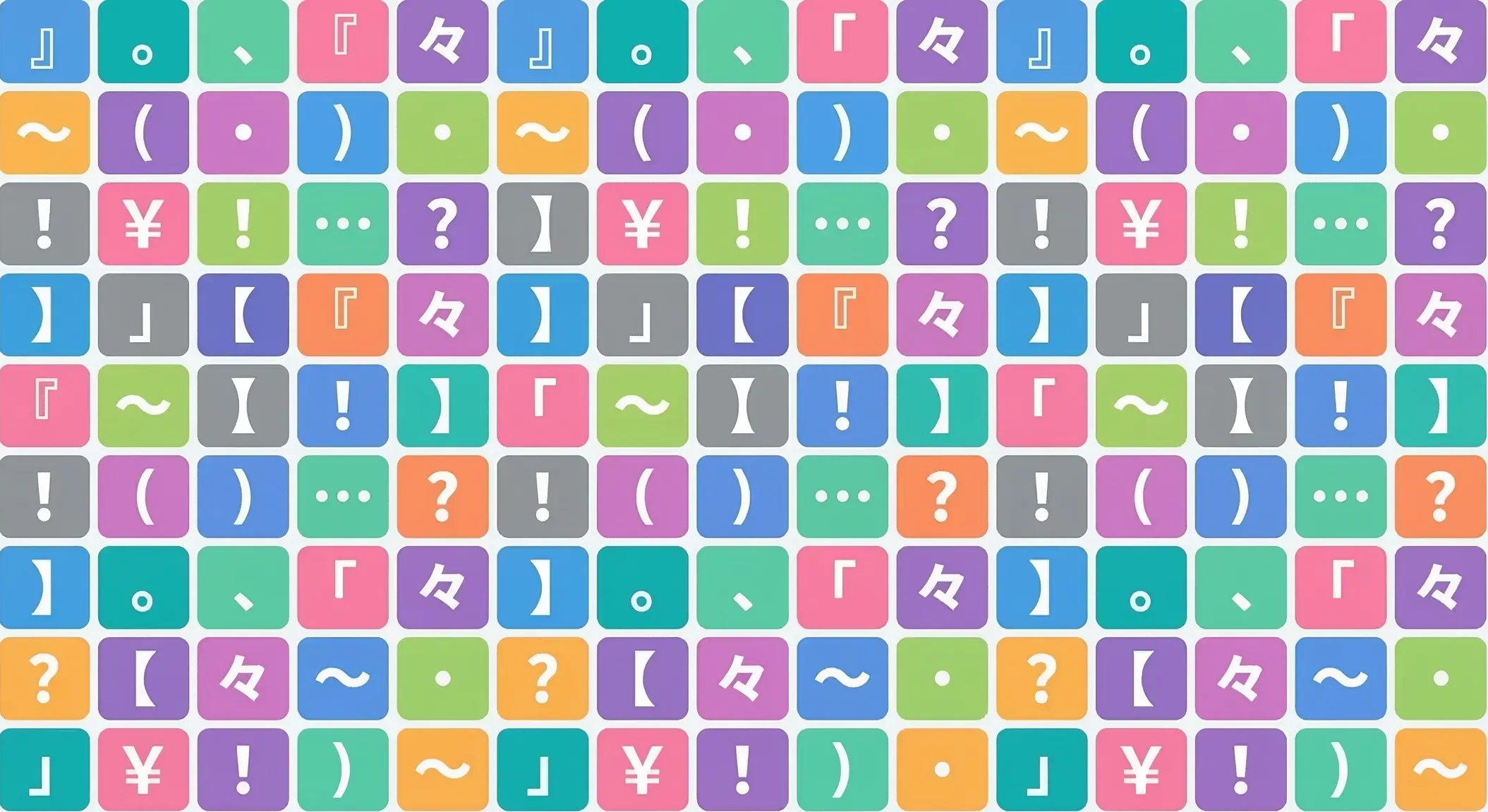
Japanese punctuation is one of the first things that surprises new learners. You open a manga, a textbook, or a website in Japanese — and suddenly the page looks nothing like English. Periods are circles. Quotation marks look like brackets. And some marks have no English equivalent at all.
However, understanding Japanese punctuation is easier than it looks. Most marks follow simple rules. In addition, many symbols behave just like their English counterparts once you know the basics.
In this guide, you will learn every major Japanese punctuation mark — what it looks like, what it means, and how to use it correctly. Whether you are a beginner or brushing up before your JLPT, this guide covers everything you need.
A Brief History of Japanese Punctuation
Japanese punctuation did not always exist. Before the Meiji era (1868–1912), written Japanese had almost no standard punctuation at all. Therefore, reading old texts could be quite confusing.
The modern system developed because of Western influence. Emperor Meiji’s interest in Western literature helped introduce marks like the period and comma into written Japanese. Then, in 1946, the Ministry of Education made the rules official. As a result, today’s Japanese punctuation follows a clear, learnable system.
Because this history matters to learners, it explains why some marks look familiar and others seem completely foreign.
How Full-Width Spacing Works in Japanese
Before diving into individual marks, you need to understand one key concept: full-width spacing. In Japanese typography, characters take up more horizontal space than English letters. This is called “full-width” formatting, while standard English uses “half-width.”
Here is the important part: Japanese does not use spaces between words. Japanese punctuation marks (。) are full-width characters, so they occupy their own space. Japanese normally does not add a space after punctuation.
Japanese Punctuation Marks: The Core Set
The Japanese Period — 。(Kuten / 句点)
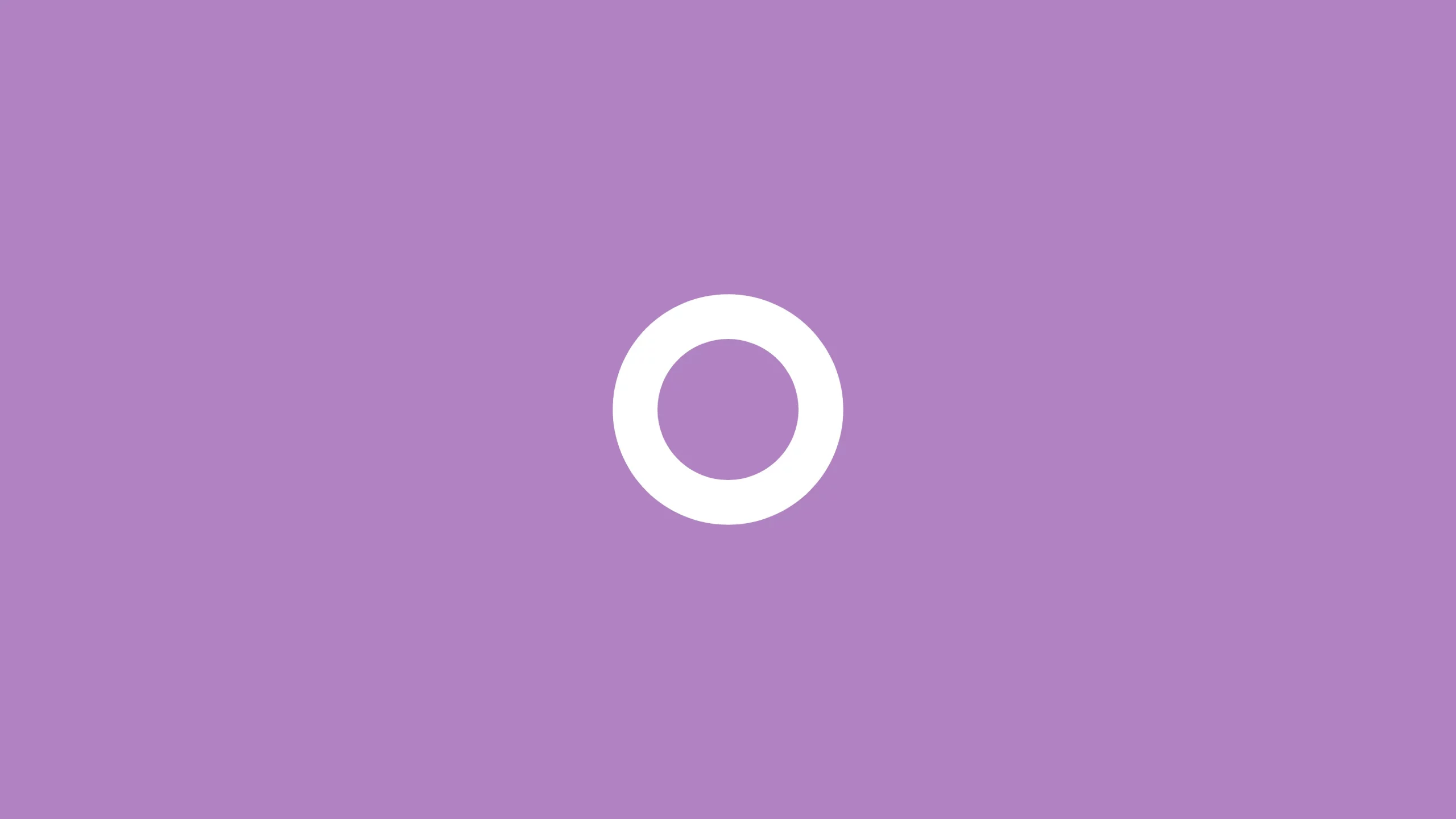
The Japanese period looks like a small circle: 。. It sits at the bottom right of the character before it in vertical text. It works exactly like an English period — it ends a sentence. However, there is one key difference: inside quotation marks, the period is often dropped.
Example: 彼は「ワニは怖いですね」と言った。(Crocodiles are scary, aren’t they.)
Because the circle shape differs from English’s dot, beginners sometimes miss it. Therefore, training your eye to spot 。is one of the first skills worth building.
The Japanese Comma — 、(Tōten / 読点)

The Japanese comma is 、and it works like a softer pause inside a sentence. 、 is used to mark pauses, separate clauses, and improve readability.
Example: 今日は、学校に行きました。(Today, I went to school.)
In addition, commas appear more frequently in Japanese than in English. So, do not be surprised when you see several in a single sentence.
Single Quotation Marks — 「」(Kagi Kakko / 鈎括弧)
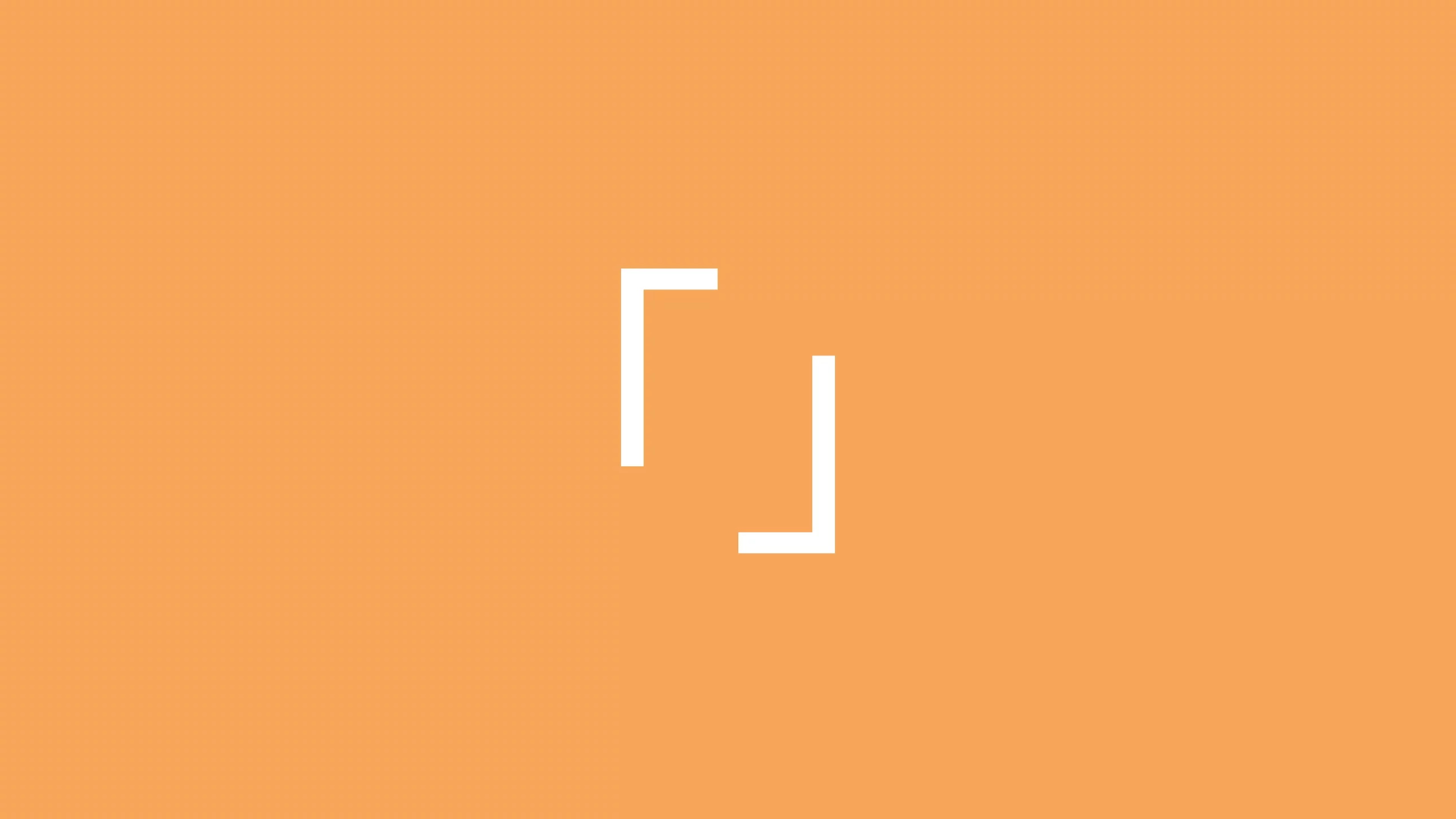
Instead of “curly quotes” like English uses, Japanese uses 「 and 」. These are called kagi kakko and they serve as the primary quotation marks in Japanese. Therefore, whenever a character speaks or a word needs highlighting, you will see 「 and 」.
Example: 彼は「こんにちは」と言った。(He said “Hello.”)
Because dakuten (diacritics) already look like small quotation marks, traditional curly quotes would cause confusion. As a result, Japanese developed this bracket-style system instead.
Double Quotation Marks — 『』(Nijū Kagi Kakko / 二重鈎括弧)
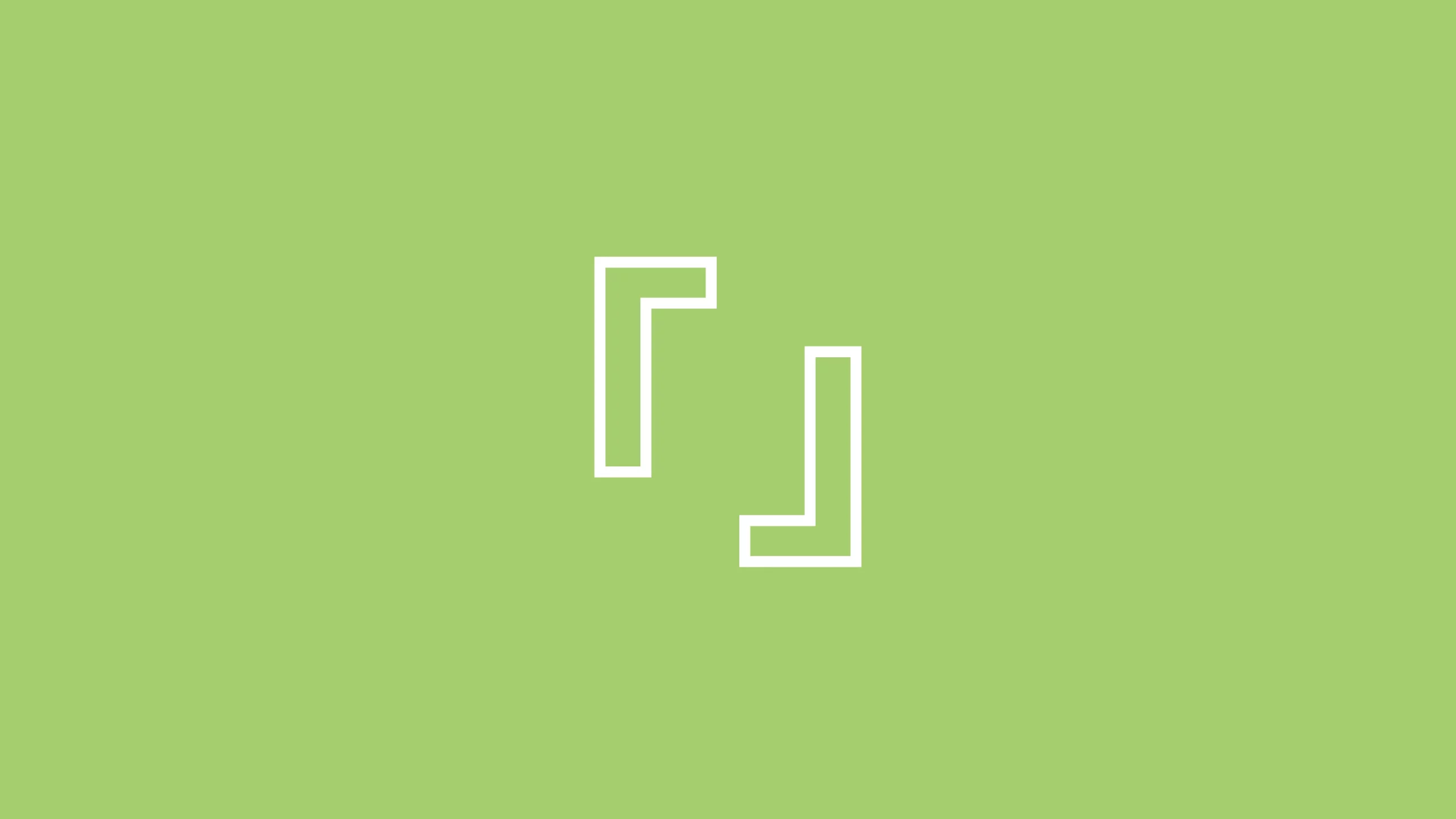
Double quotation marks 『』are less common than single marks. However, they serve a specific purpose: quoting text inside a quote. This works the same way British English handles nested quotes — single first, then double inside.
Example: 「彼女は『おはよう』と言った」と話した。
In addition, some writers use 『』alone to highlight book titles or special terms. So, you will spot them in literary and editorial contexts.
The Wave Dash — 〜(Nami-sen / 波線)
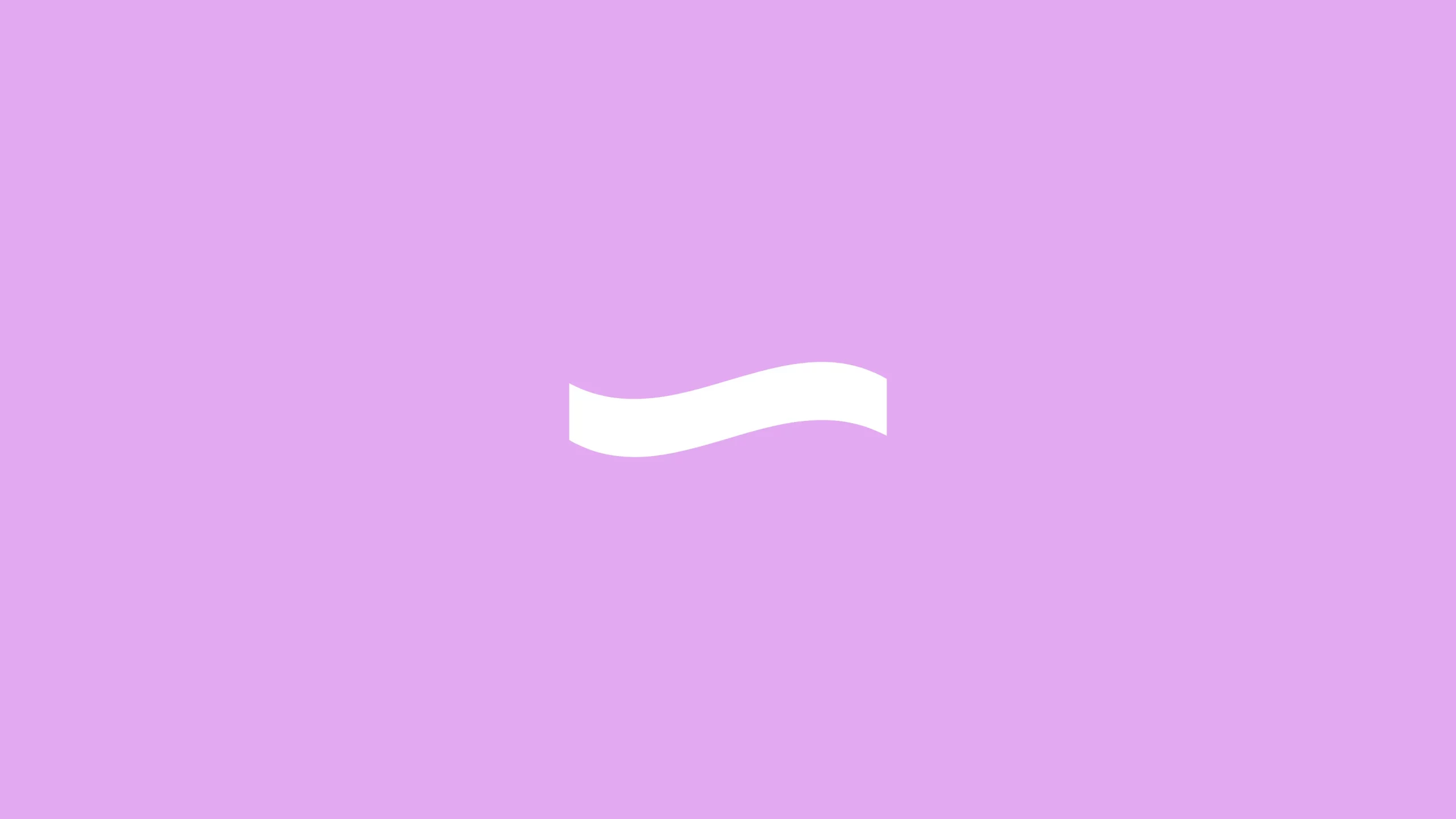
The wave dash 〜 is one of the most distinctly Japanese punctuation marks. It does several jobs that no single English mark covers. First, it shows a range of values (4〜5, 9 AM〜10 AM). Second, it draws out a vowel sound in casual speech (そうだね〜). Third, it marks subtitles or topic labels (〜はじめに〜).
Because the straight dash already appears in katakana as a long vowel mark (ー), using 〜 avoids confusion between the two. Therefore, these marks serve completely different functions despite looking similar.
The Interpunct — ・(Nakaguro / 中黒)

The interpunct is a centered dot: ・. It floats in the middle of the text line, not at the bottom like a period. You will see it most often separating foreign names or words written in katakana.
Example: マイケル・ジョーダン (Michael Jordan)
In addition, ・acts as a list separator and can clarify ambiguous kanji combinations. It is also used to separate items in a series, similar to a comma. Therefore, it appears constantly in modern Japanese writing.
The Question Mark — ?
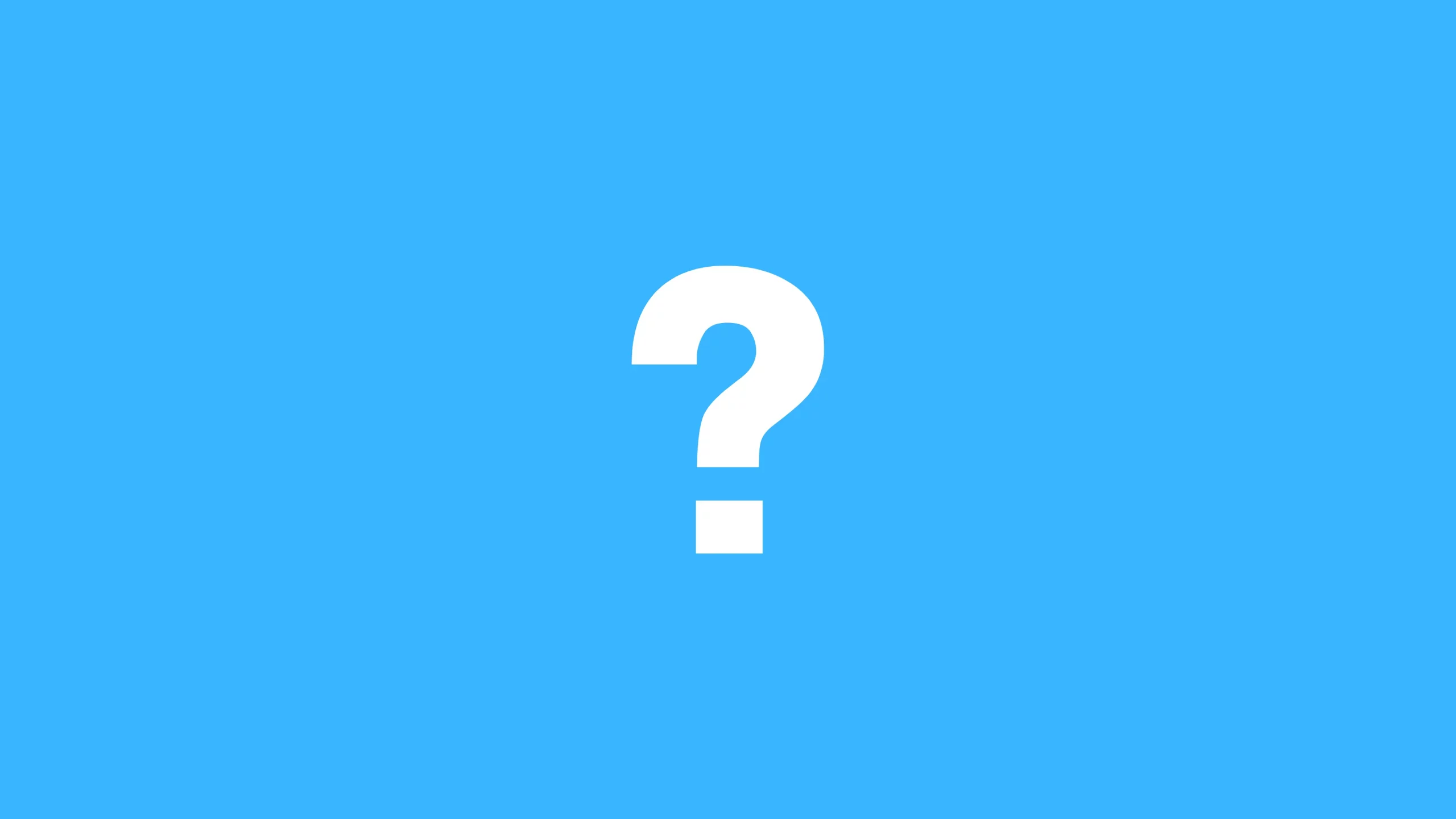
The question mark ?works just like its English counterpart. However, Japanese grammar already includes か (ka) as a question marker at the end of sentences. Because of this, ?is mostly informal — you will not see it in formal writing.
In casual contexts — text messages, social media, manga dialogue — ?appears constantly. So, think of it as an emotional marker rather than a grammatical necessity.
The Exclamation Point — !

Just like English, !shows emphasis or excitement. However, it is also informal. You will not see it in academic papers or business emails. In contrast, casual Japanese writing — especially online — uses !very freely.
Because Japanese is often understated in formal contexts, seeing ! signals a relaxed, expressive tone.
Parentheses — ()(Maru Kakko / 丸括弧)
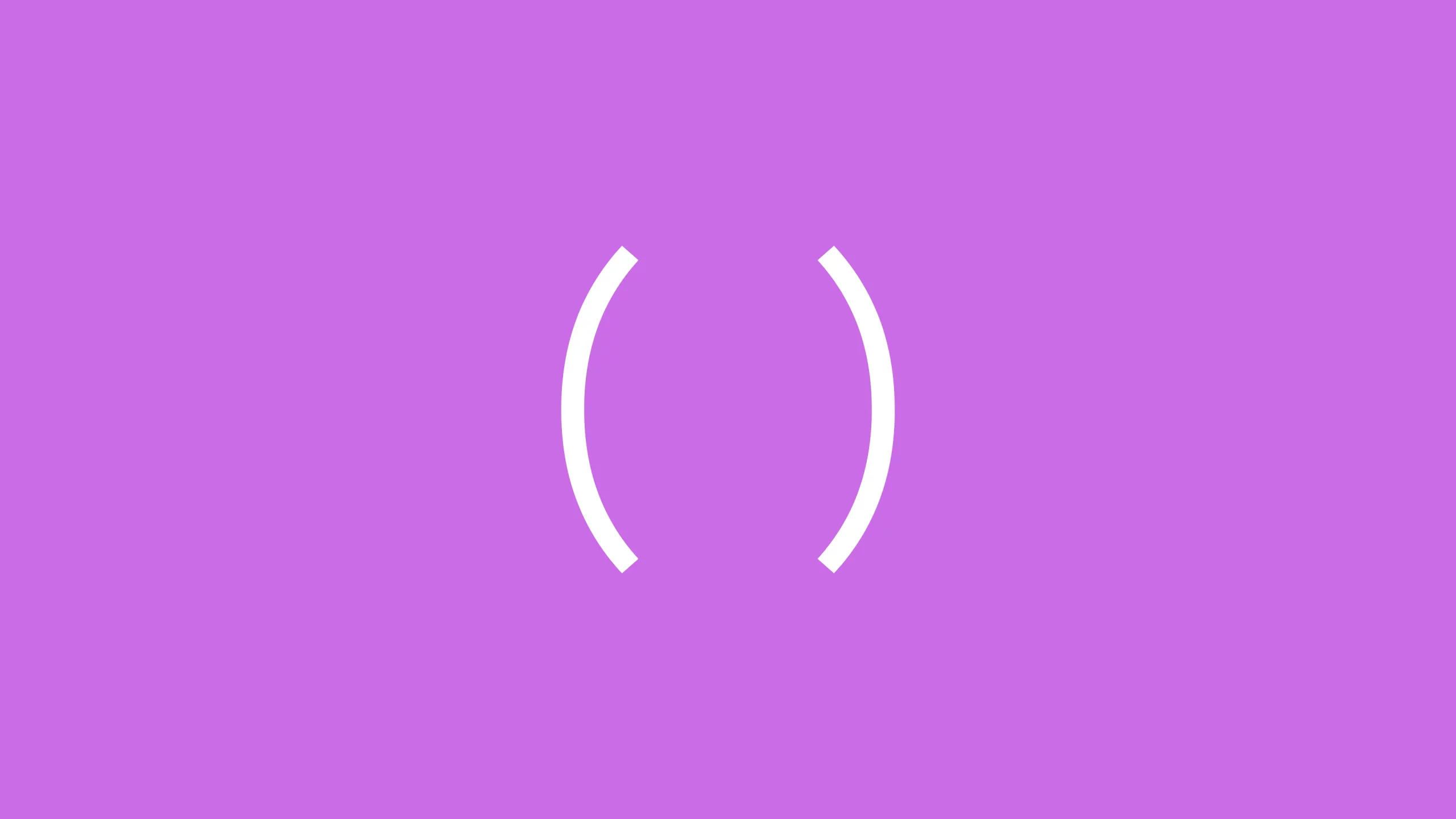
Japanese parentheses look like English ones but take up full-width space. Therefore, they appear slightly wider and more evenly spaced. They serve the same purpose: adding extra information, clarifications, or readings when ruby text is unavailable..
Example: 鰐(わに)は怖い。(Crocodiles are scary.)
Thick Brackets — 【】(Sumi-tsuki Kakko / 隅付き括弧)
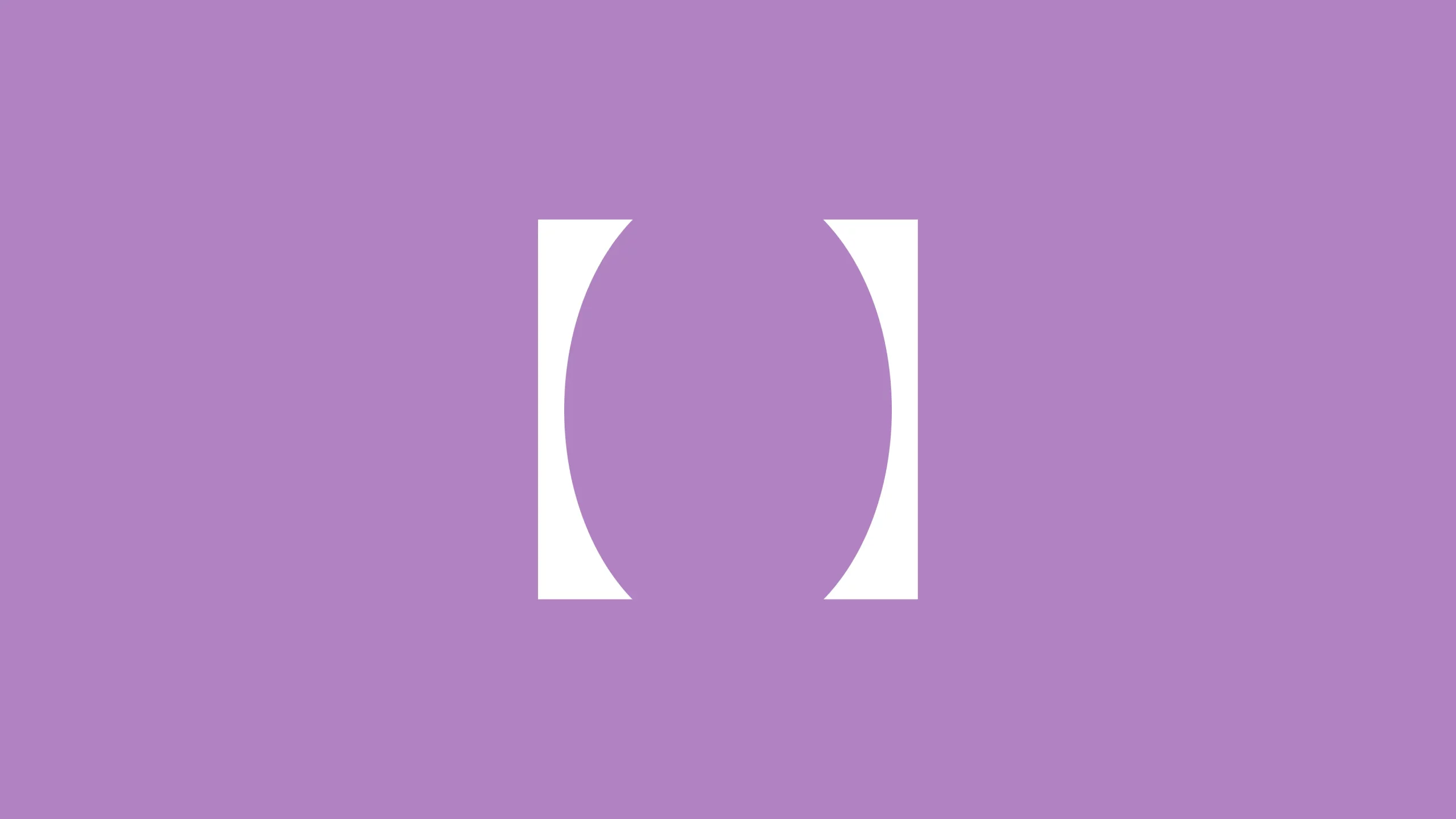
Here is a mark English does not have: 【】. These thick black brackets add strong emphasis to text. They appear in headlines, article categories, app labels, and social media posts. Because they stand out visually, they attract attention far more than regular parentheses.
You will see them constantly in Japanese news headlines and Twitter posts. For example: 【速報】(Breaking News).
The Ellipsis — …(Santenrīdā / 三点リーダー)
In Japanese, the ellipsis is often written as two consecutive three-dot leaders: …. Moreover, Japanese writers often double it: ……. It conveys silence, hesitation, passing time, or unspoken emotion. In manga and novels, ……is a powerful emotional tool.
Because Japanese communication values indirectness, the ellipsis carries a lot of feeling without a single word. Therefore, you will encounter it constantly in fiction and casual dialogue.
Japanese Phonetic Marks: Not Quite Punctuation
These symbols are not strictly punctuation, but you will see them everywhere. So, learning them is essential.
Dakuten — ゛(濁点)

Dakuten are two small strokes that appear next to certain kana to voice a consonant. For example, か (ka) becomes が (ga). Because they look like tiny quotation marks, they are easy to notice. You do not type them separately — your Japanese keyboard handles them automatically when you type “ga.”
Handakuten — ゜(半濁点)

The handakuten marks the “p” sound in kana, for example は→ぱ and ハ→パ. There are only five handakuten sounds in total: ぱぴぷぺぽ.
Small Tsu — っ(促音)
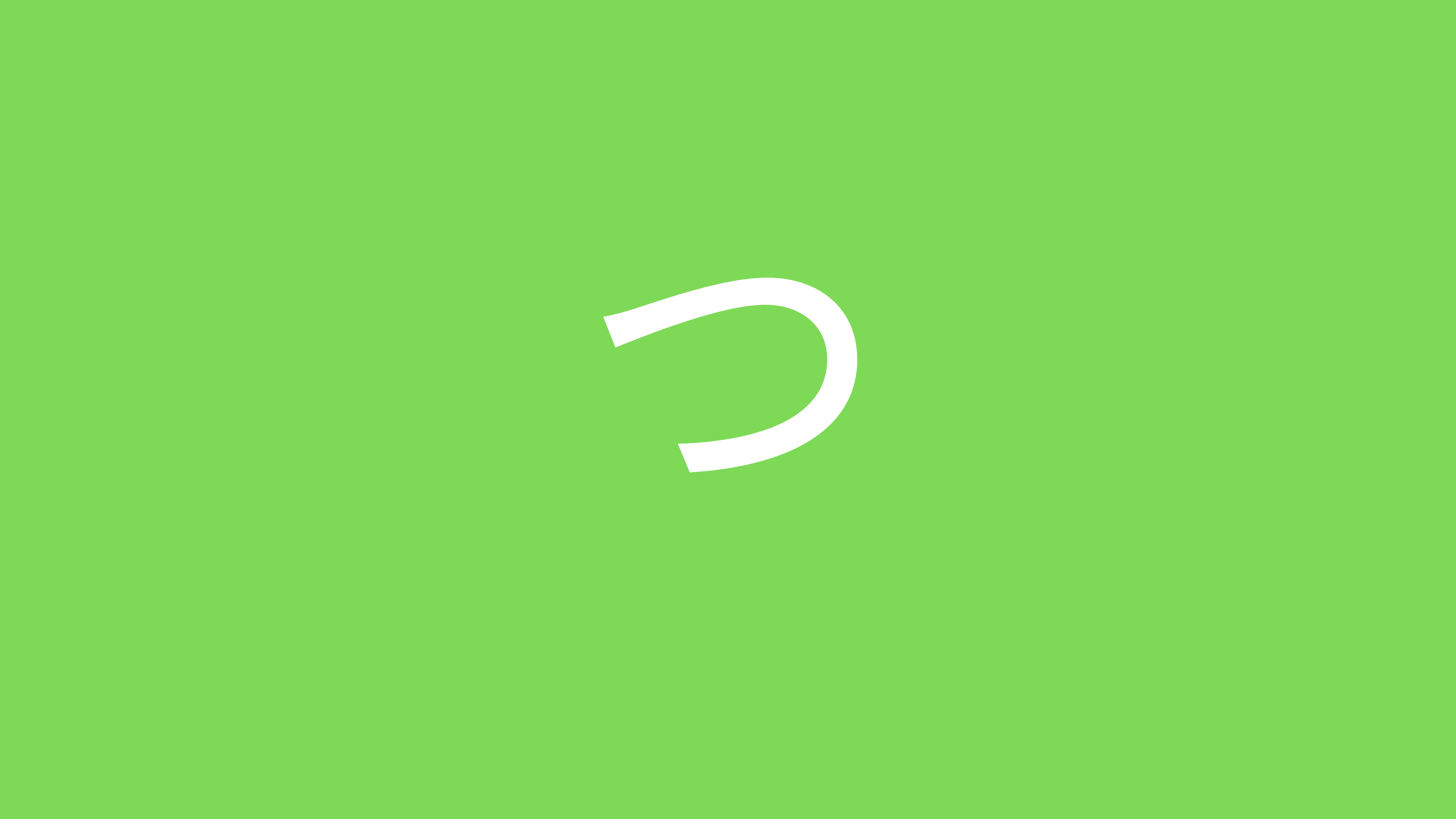
The small っ doubles the consonant that follows it. For example, きって (kitte, postage stamp) holds a doubled “t.” At the end of a word, it creates a glottal stop — a sharp cutoff in speech. In addition, you will see its katakana form ッ in loan words.
Long Vowel Mark — ー(長音符)

The long vowel mark ー stretches a vowel sound in katakana. So, スーパー (sūpā, supermarket) uses two of them. It appears almost exclusively in katakana. In hiragana, the same effect uses double vowels instead.
Bonus Symbols Worth Knowing
Iteration Mark — 々(Odoriji / 踊り字)
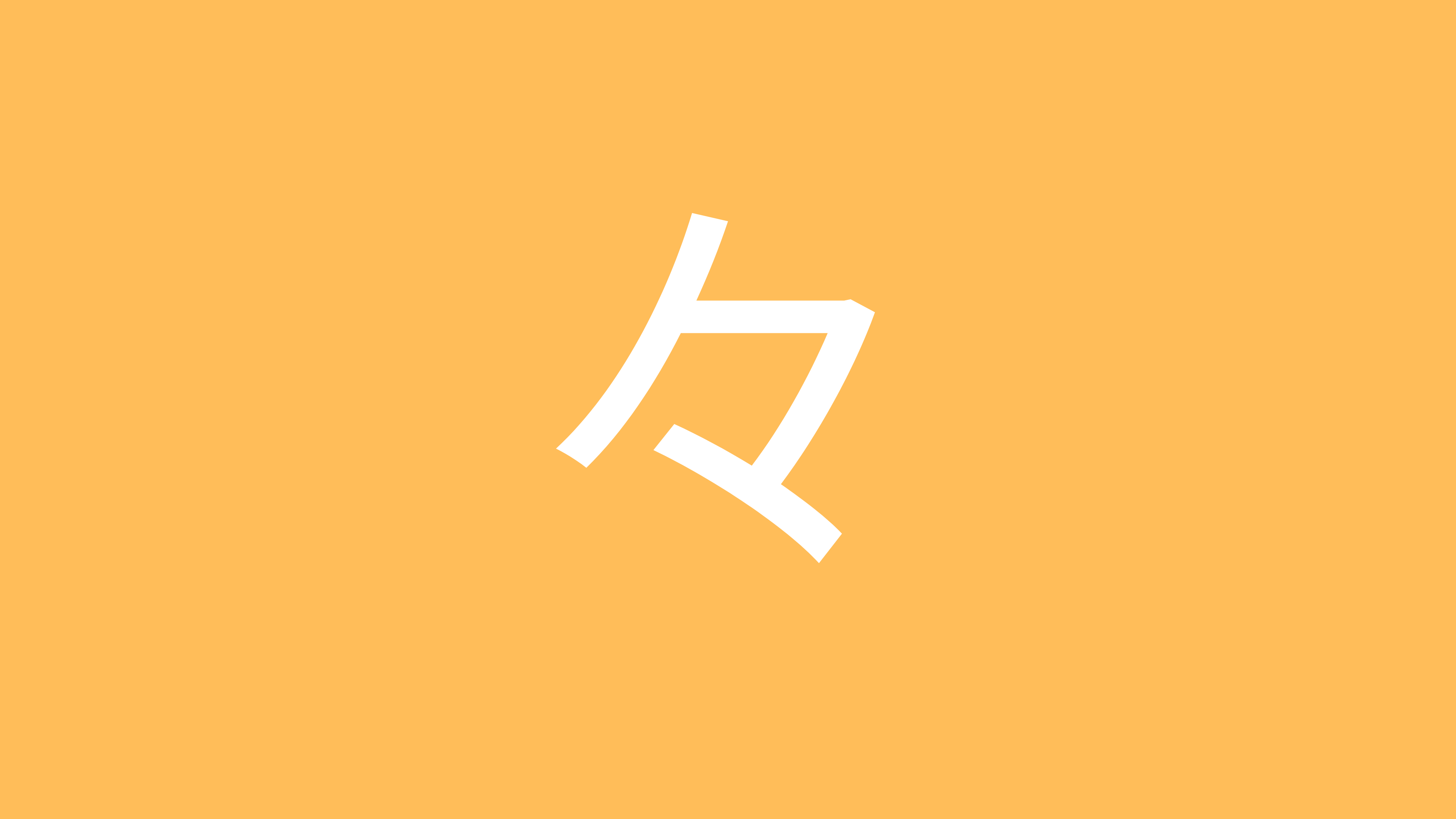
The symbol 々 repeats the kanji before it. Therefore, 人 (person) becomes 人々 (people). You will spot it in common words like 時々 (sometimes) and place names like 代々木 (Yoyogi). Because it appears so frequently, recognizing it will speed up your reading significantly.
Small Ke — ヶ (箇 / 个 Replacement)
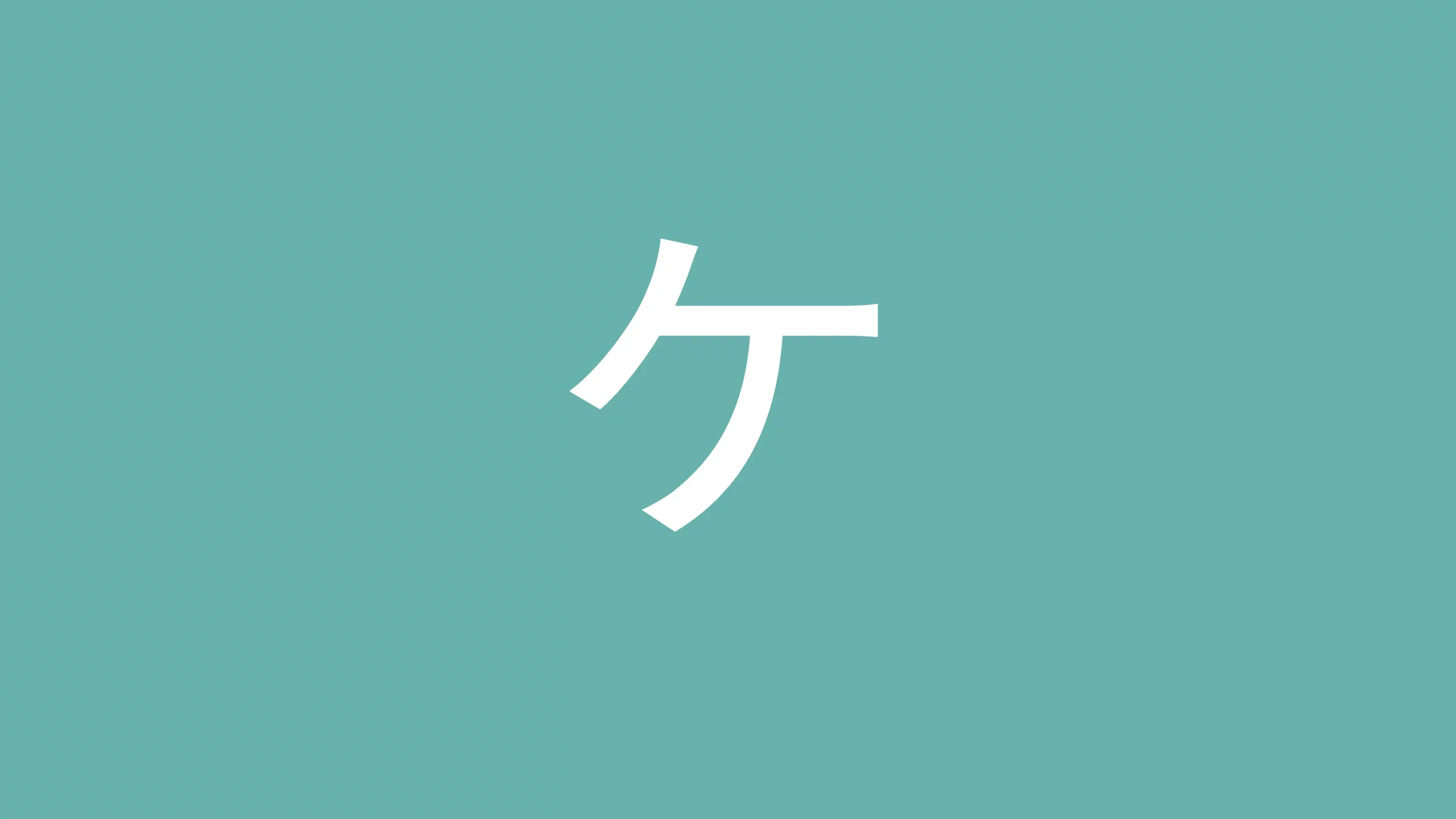
This one trips up a lot of learners. The symbol ヶ looks exactly like a small katakana ケ — but it is not pronounced “ke.” Instead, it acts as a shorthand replacement for the counter 箇 (か). So, when you see 5ヶ月, you read it as ごかげつ (five months), not “go-ke-gatsu.”
In addition, ヶ appears in place names. For example, 茅ヶ崎 (Chigasaki) and 関ケ原 (Sekigahara) both use it. Because of rendaku (sound change in compound words), the reading shifts to が in those cases. Therefore, the same symbol can sound like か or が depending on context.
The Yen Symbol — ¥
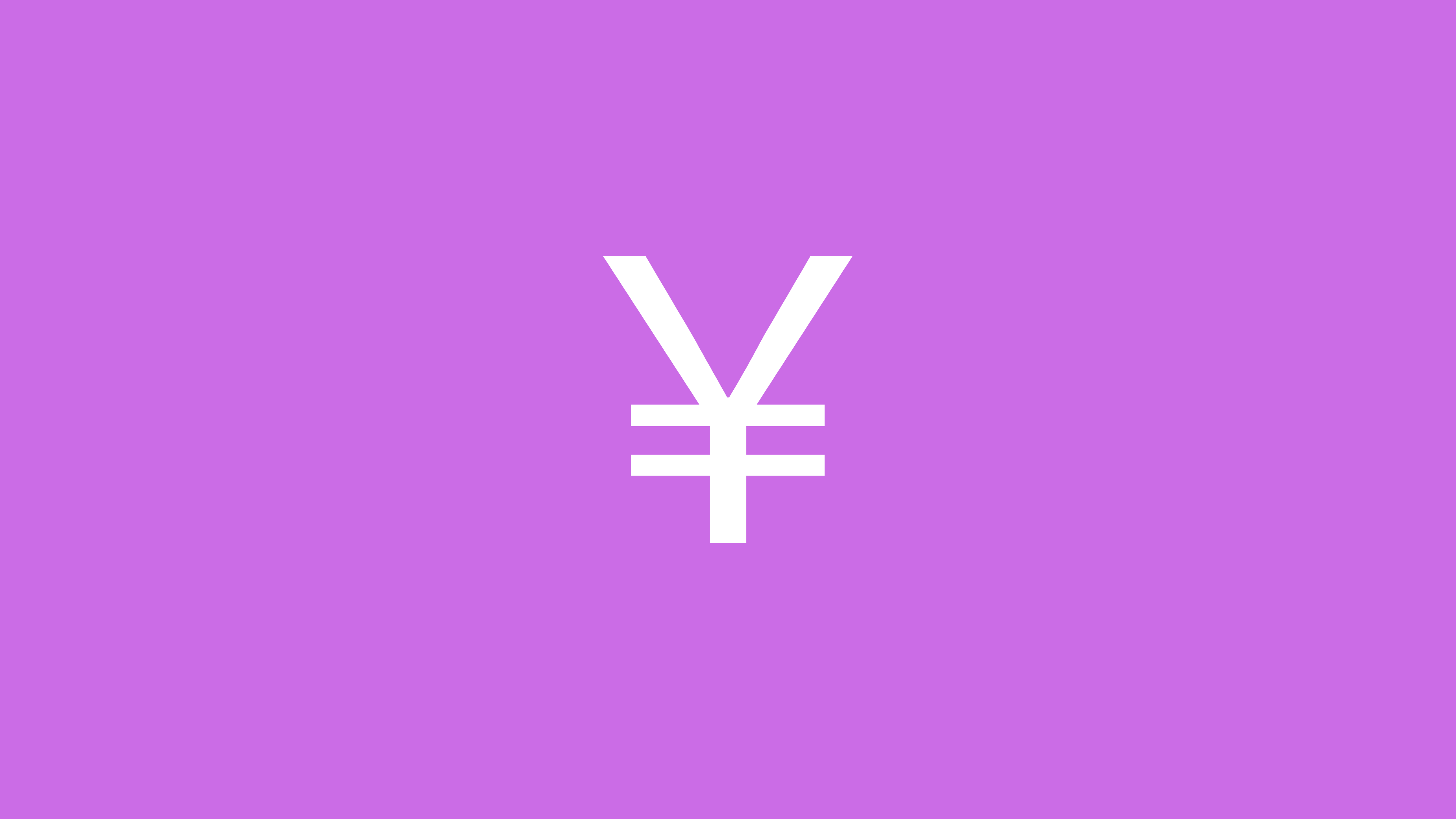
Japanese currency uses ¥ before the number, just like $ in English. However, note that 円 is the kanji for yen. So, you write ¥1,000 or 1,000円 — never both together.
Quick Reference: Japanese Punctuation at a Glance
| Symbol | Name | English Equivalent | Key Use |
| 。 | Kuten | Period | Ends a sentence |
| 、 | Tōten | Comma | Pause inside a sentence |
| 「」 | Kagi Kakko | Quotation marks | Dialogue, quoted speech |
| 『』 | Nijū Kagi Kakko | Double quotes | Nested quotes, titles |
| 〜 | Nami-sen | Wave dash | Range, elongation, subtitles |
| ・ | Nakaguro | Interpunct | Separating names, lists |
| ? | — | Question mark | Informal questions |
| ! | — | Exclamation point | Emotion, emphasis |
| () | Maru Kakko | Parentheses | Clarification, furigana |
| 【】 | Sumi-tsuki Kakko | Thick brackets | Headlines, labels |
| … | Santenrīdā | Ellipsis | Silence, hesitation |
How Japanese Punctuation Appears in Vertical Text
Japanese traditionally runs vertically, from top to bottom and right to left. Therefore, punctuation shifts position in vertical text. The period 。and comma 、appear in the bottom-right corner of their character cell. In vertical text, quotation marks and brackets use forms oriented for vertical layout. In addition, vertical text drops the question and exclamation marks from formal usage even more strictly.
Because most digital Japanese today runs horizontally, you will encounter vertical text mainly in novels, newspapers, and formal documents. However, understanding the rules helps you read physical Japanese materials confidently.
A Note on Kaomoji: Japanese Emoji as Punctuation
Japanese internet culture developed kaomoji (顔文字) — emoticons made from keyboard characters. For example: (^_^), (T_T), ヾ(^▽^)ノ. Because these symbols express emotion at the end of a sentence, many linguists argue they function like punctuation. After all, they serve the same purpose as an exclamation point or ellipsis — signaling tone and feeling.
Tips for Using Japanese Punctuation Correctly
First, use 「」for all dialogue and quotes in formal and casual writing. Second, place commas freely — Japanese style is more relaxed than English rules allow. Third, avoid mixing ¥ and 円 in the same number. In addition, remember that question marks and exclamation points are informal — they work in texts and social media, but not in formal letters or essays.
Because most learners focus on vocabulary and grammar, punctuation often gets overlooked. However, knowing these rules makes your Japanese look natural and polished.
Want to keep learning? Check out our guides on hiragana, katakana, and kanji to build on your reading foundation.