“So, you want to learn Japanese.”
“Great choice. Also, brave choice.”
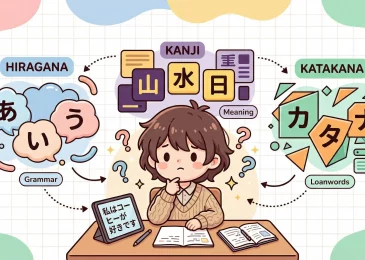
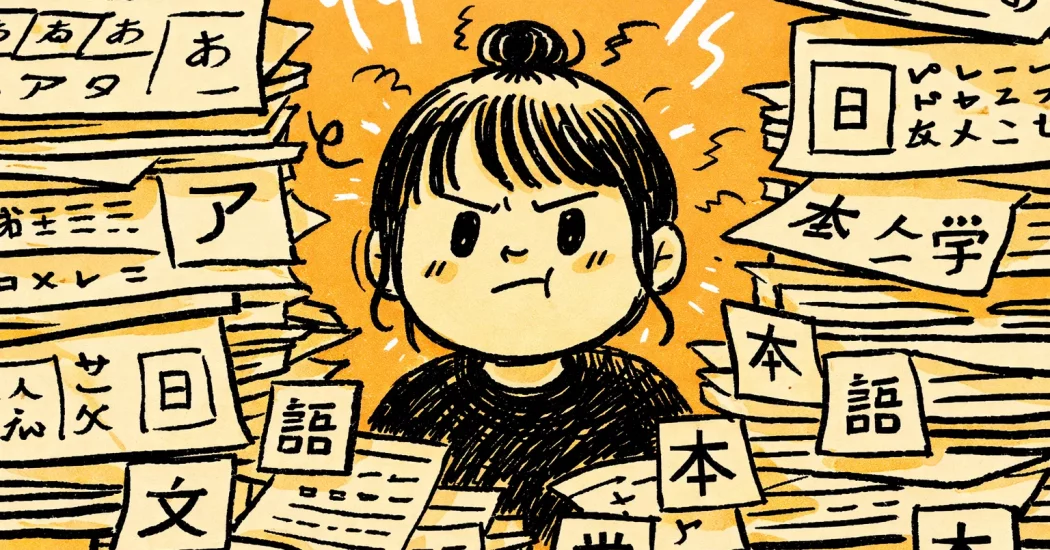
Japanese is fun, useful, and deeply rewarding. However, it can also feel like you opened a game on “hard mode” by accident. There are new sounds, three writing systems, grammar patterns that do not behave like English, and a mountain of kanji waiting in the distance like a final boss.
The good news is this: you do not need a perfect brain, a perfect plan, or ten hours a day. You need the right order, the right tools, and enough consistency to keep moving when the exciting beginner energy wears off.
This guide will show you how to learn Japanese in a way that feels practical, not chaotic. We will cover what to study first, what to delay, how to build momentum, and how to avoid the common beginner trap of learning a little bit of everything and remembering none of it.
If you are starting from zero, you are in the right place. If you already know a little hiragana or a few phrases, that is fine too. Either way, this roadmap will help you build real progress without turning your study routine into a part-time job.
Why “learn Japanese” is harder than it looks
Many beginners think the challenge is grammar. Others think it is kanji. Some blame pronunciation. In reality, the hardest part is usually not the content itself. It is the order.
When people try to learn Japanese, they often jump between random apps, anime clips, grammar videos, flashcards, and social media tips. As a result, they stay busy but do not feel stronger.
Japanese becomes much easier when you study it in layers. First, learn how the writing system works. Then build enough reading ability to stop feeling lost. After that, grammar starts making more sense because you are not decoding every single word at the same time.
In other words, your goal is not to “study everything.” Your goal is to reduce friction.
That is why this article follows a simple path:
- Learn the scripts
- Build kanji and vocabulary
- Start grammar with context
- Add listening, reading, and speaking in a smart way
- Keep going long enough to reach the good part
Learn Japanese from zero: what to do first
| Estimated time | 10–15 minutes |
| What you’ll be able to do | Understand the three Japanese scripts and know what to study first without wasting time. |
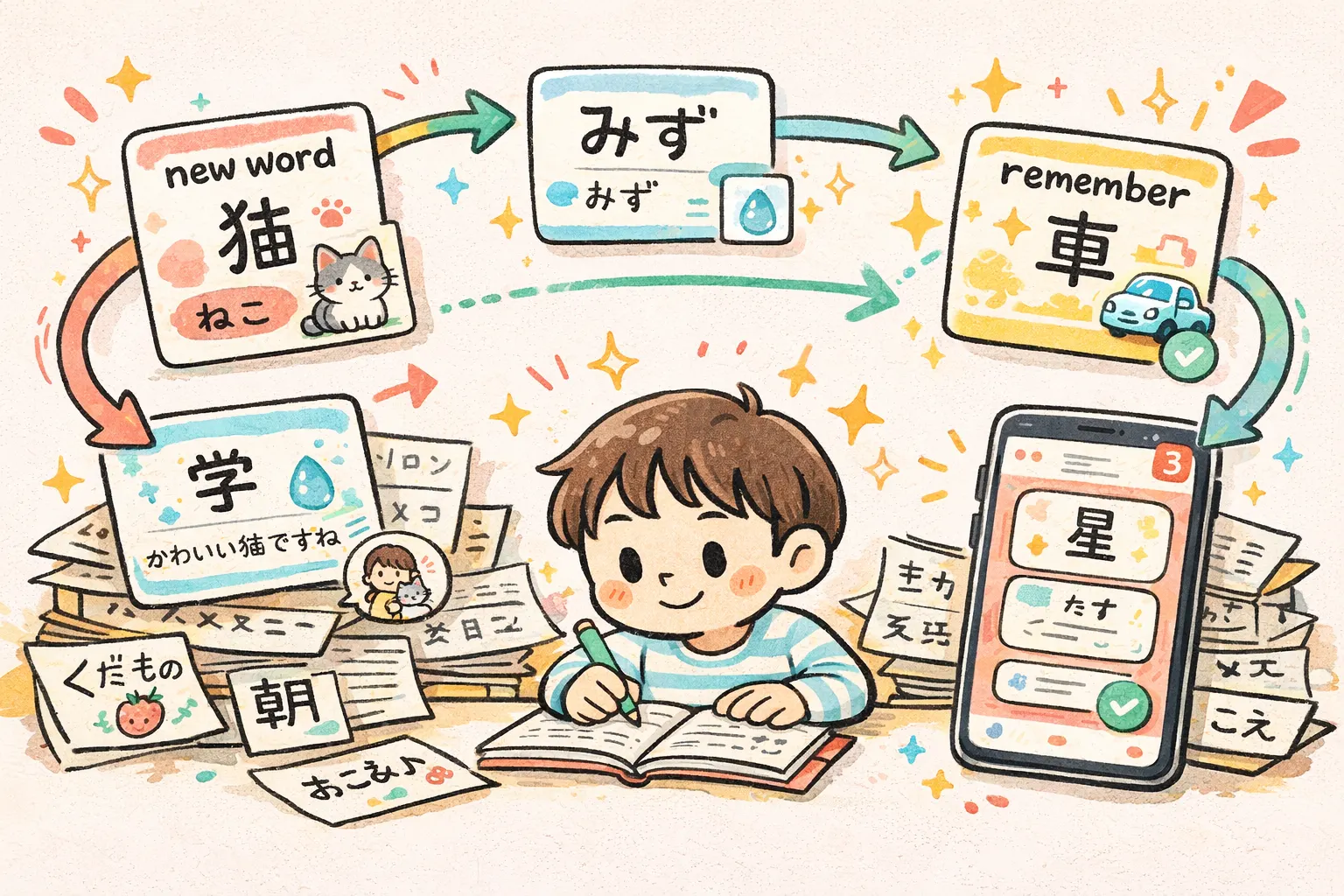
If you are a complete beginner, start with the writing system before anything else. Yes, even before buying six textbooks and making a color-coded Notion dashboard.
Japanese uses:
- Hiragana
- Katakana
- Kanji
You do not need to master them all at once. However, you do need to understand what each one does. A quick overview makes the rest of your study feel less mysterious.
For a simple introduction, start with Japanese alphabet for beginner. Then, if you want the bigger picture, read Japanese alphabet for a wider breakdown of how the system fits together.
Step 1: Learn hiragana first
| Estimated time | 1–7 days |
| What you’ll be able to do | Read all hiragana, recognize core sound patterns, and begin reading beginner Japanese without panic. |
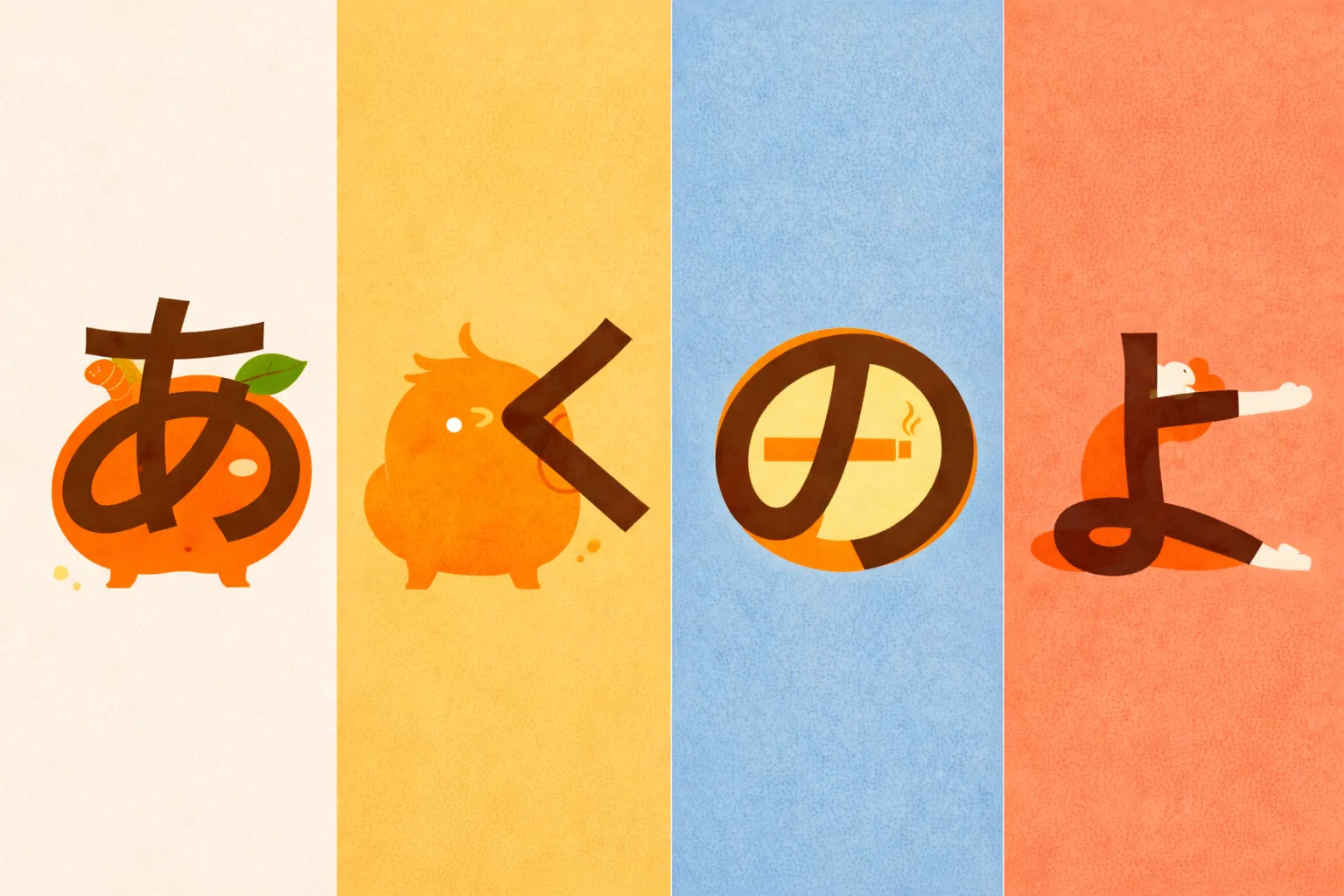
Hiragana is your first win.
It is the basic phonetic script used for native Japanese words, grammar endings, and many beginner materials. Because of that, hiragana gives you your first real access to the language.
Start by learning to recognize every hiragana character. You do not need beautiful handwriting on day one. Instead, focus on fast reading and recall. Reading comes first because it unlocks everything else.
A good beginner target is:
- Recognize all hiragana
- Read them without sounding out every symbol
- Type them on a Japanese keyboard
If you want focused practice, use Hiragana learning. You can also try MochiKana – Learn Japanese Alphabet if you want extra kana drills in a more interactive format.
Step 2: Learn basic Japanese pronunciation
| Estimated time | 2–5 days to learn the basics, then ongoing practice |
| What you’ll be able to do | Hear and produce core Japanese sounds more clearly, including vowels, long sounds, and basic rhythm. |
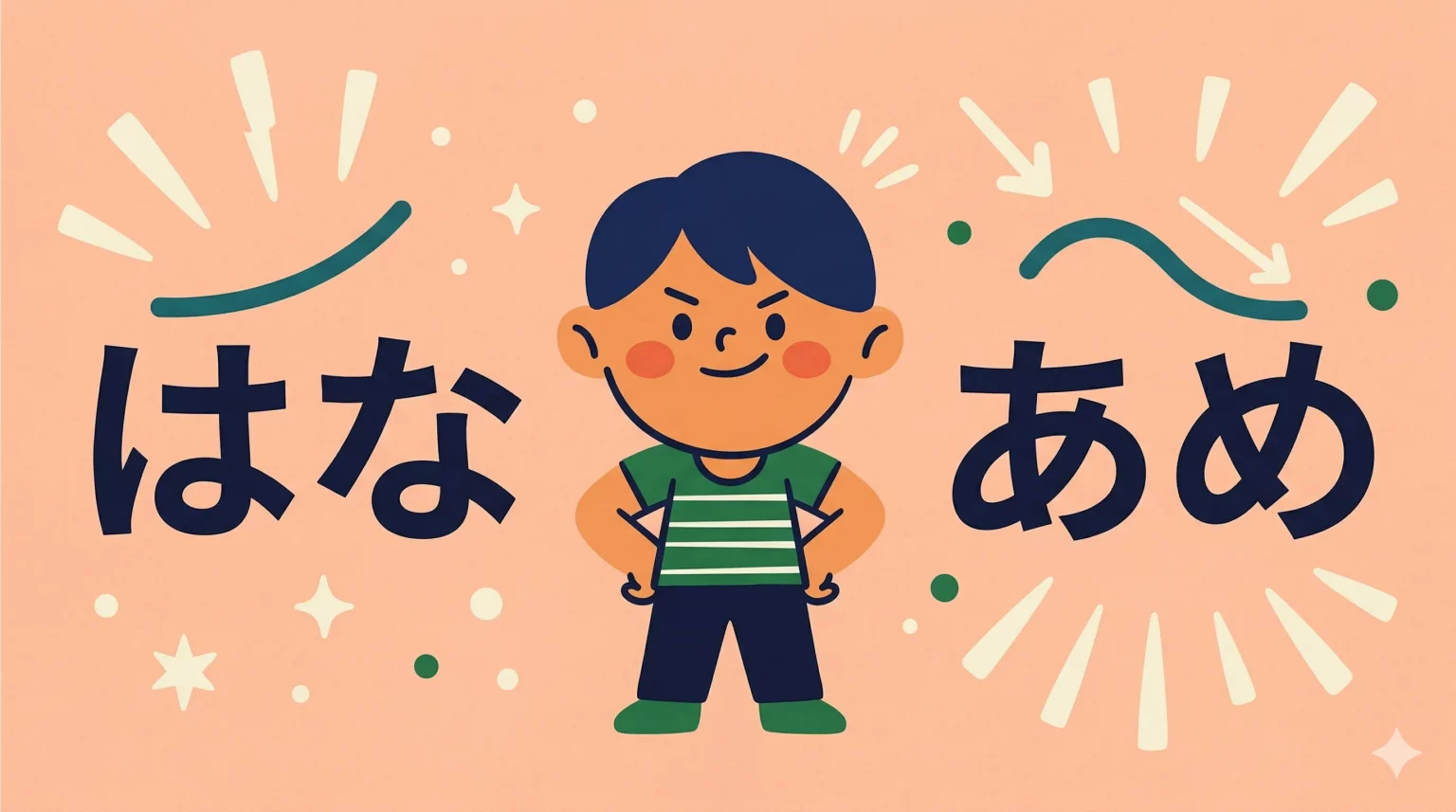
Japanese pronunciation is often friendlier than learners expect. That is the nice part.
The less nice part is that “easy” does not mean “automatic.” You still need to hear the rhythm, vowel length, and common sound patterns clearly. Otherwise, you may build habits that are hard to fix later.
Fortunately, you do not need to obsess over accent at the start. Instead, aim for these basics:
- Learn the five vowel sounds
- Notice long vowels
- Hear double consonants
- Practice reading kana out loud
- Copy audio from native speakers
This is enough to build a strong foundation. Later, your ear will sharpen as your listening improves.
Step 3: Learn katakana early, but do not panic about it
| Estimated time | 2–10 days |
| What you’ll be able to do | Read common loanwords, names, and brand terms written in katakana with growing confidence. |
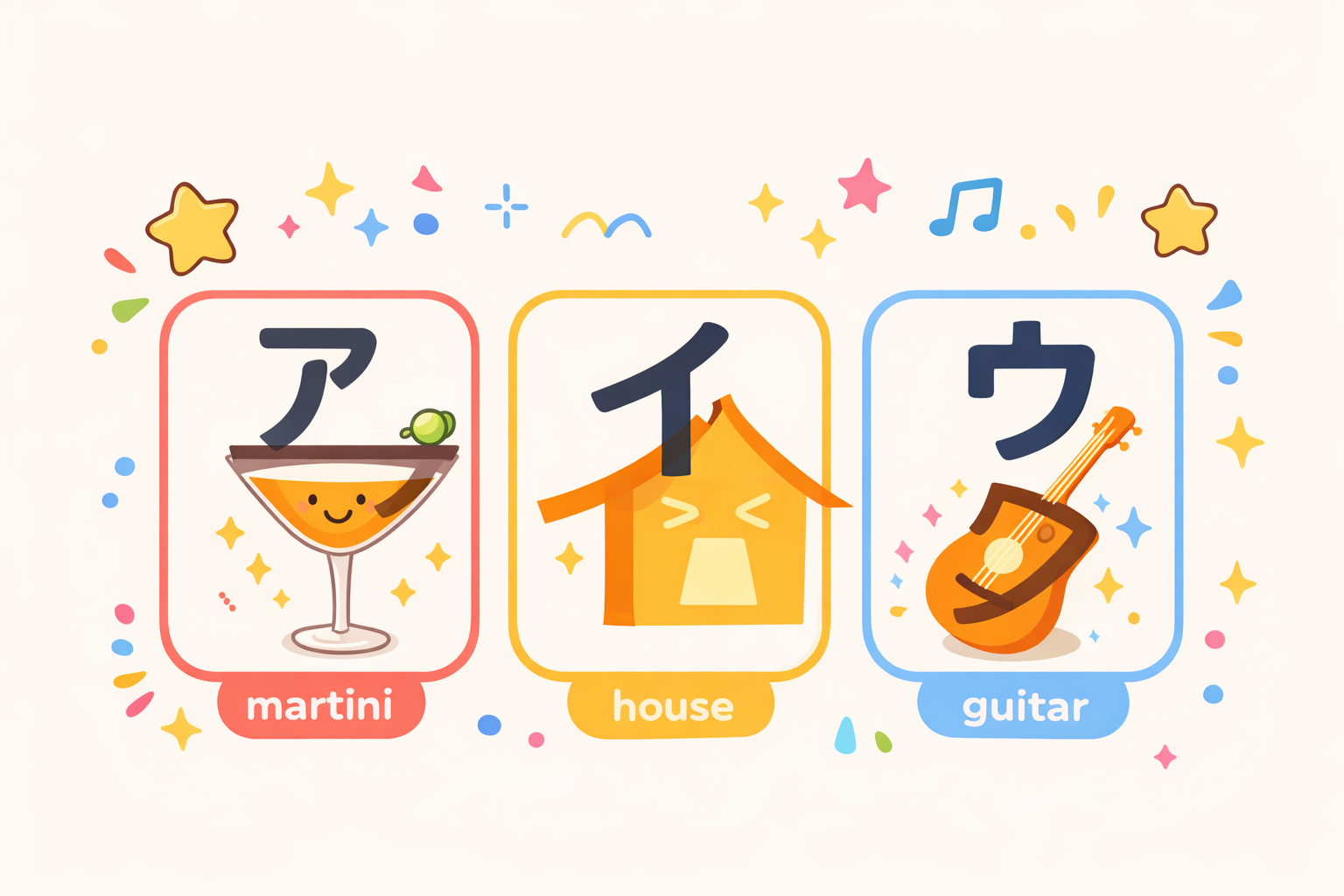
Katakana is used for foreign loanwords, brand names, sound effects, and many borrowed terms. Because modern Japanese uses a lot of loanwords, katakana matters more than beginners often expect.
Strangely, many learners find katakana harder than hiragana. The shapes can feel less intuitive, and the words often look familiar but sound different in Japanese.
That is normal.
Treat katakana as your second script, not your enemy. Your job is not to read it perfectly on day two. Your job is to get comfortable enough that it stops looking like alien geometry.
For structured practice, let’s learn katakana.
Learn Japanese writing without getting crushed by kanji
| Estimated time | 1–3 months for a strong beginner base |
| What you’ll be able to do | Understand how kanji works, recognize common building blocks, and start learning useful characters in a practical order. |

Now we arrive at the famous monster in the room: kanji.
Yes, kanji is a challenge. No, that does not mean you should avoid it for six months and hope it disappears on its own.
In fact, learning kanji early often makes Japanese easier. That may sound backwards. However, kanji helps you recognize words faster, separate meanings more clearly, and read real material with less confusion.
What kanji actually is
Kanji are characters that carry meaning. They often have more than one reading, which is where beginners start making the face of someone reading tax forms in a foreign country.
Still, the system is not random.
A useful first lesson is understanding that kanji can have different readings depending on the word and context. If this idea feels confusing, read Onyomi vs kunyomi. It explains one of the most important ideas in beginner kanji study without turning it into a lecture.
Start with radicals, not brute force
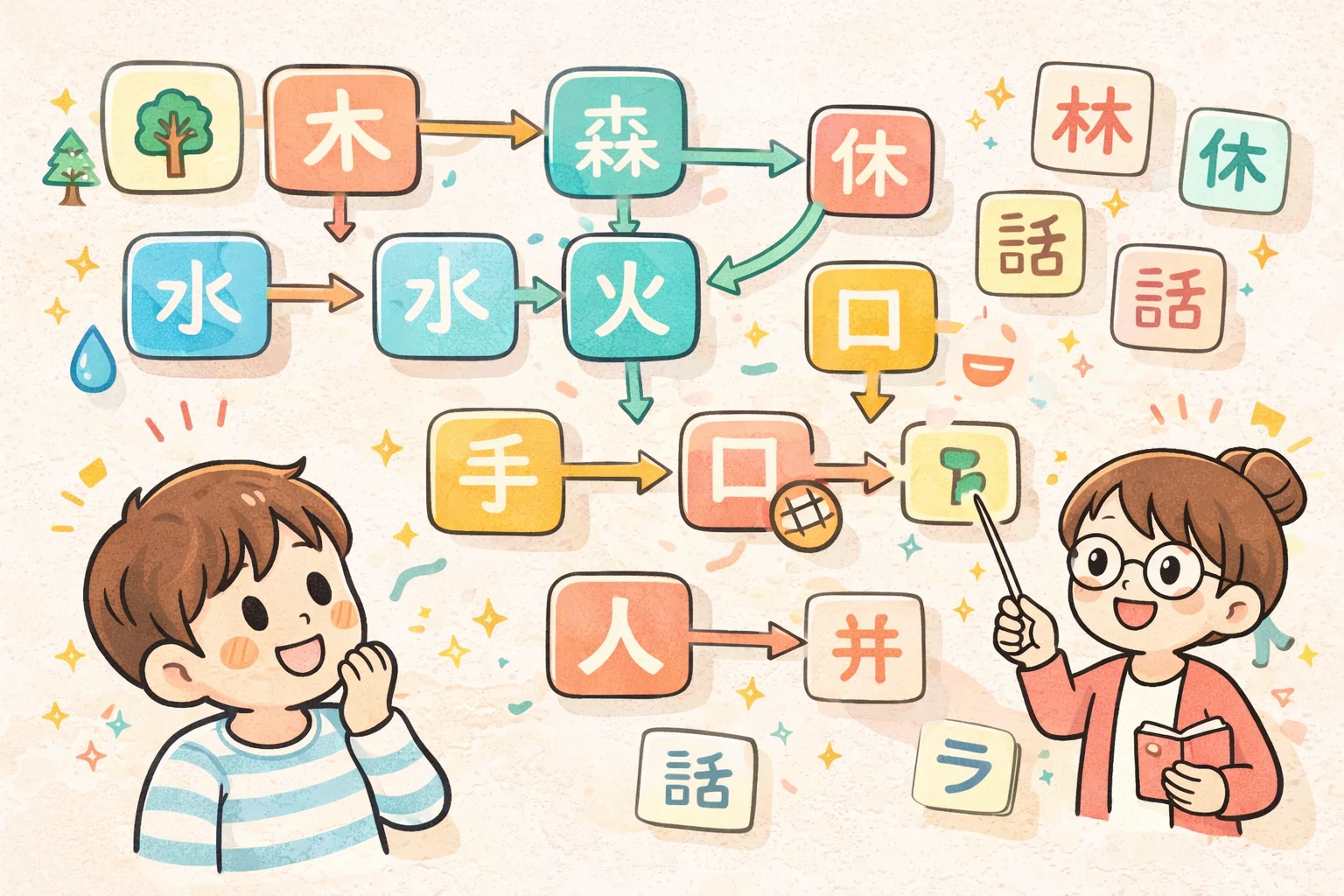
Trying to memorize kanji as isolated drawings is a rough strategy. It feels productive for three days, and then your brain files a complaint.
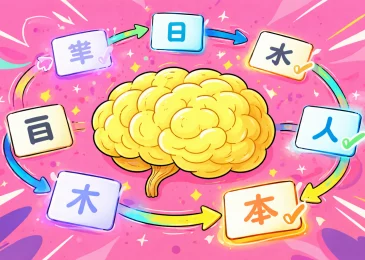
A better approach is to learn radicals and recurring parts. These building blocks help you break characters into meaningful chunks. As a result, kanji becomes easier to remember and easier to distinguish.
To make that process clearer, use Kanji radicals explained. Once you see patterns inside the characters, the whole system stops feeling so hostile.
Learn kanji in a practical order
| Estimated time | 2–4 months for early momentum |
| What you’ll be able to do | Recognize beginner-friendly kanji, connect them to real vocabulary, and build a reading foundation that actually helps. |
Do not try to learn rare characters because they look cool. They do look cool. That is not the point.
Instead, focus on beginner-friendly, high-frequency kanji that support real vocabulary. The best kanji study is connected to actual words you will see again. That way, you are not only memorizing symbols. You are building reading power.
A strong place to begin is Kanji for beginners. After that, move into Learn kanji the smart way for a more efficient long-term approach.
Do not wait until “later” to type Japanese
| Estimated time | 20–40 minutes to set up, then daily use |
| What you’ll be able to do | Type in Japanese, search words faster, and use digital tools more naturally while studying. |
Once you know basic kana, set up a Japanese keyboard and start typing. It feels weird for about ten minutes. Then it becomes one of the most useful skills in your routine.
Typing helps you:
- Search words faster
- Take notes
- Enter flashcards
- Message tutors
- Read suggested kanji conversions
In addition, typing makes the language feel more real. You stop being a spectator and start using it.
Learn Japanese vocabulary in a way that actually sticks
| Estimated time | 10–20 minutes daily, ongoing |
| What you’ll be able to do | Build useful vocabulary steadily and remember words longer through review and context. |
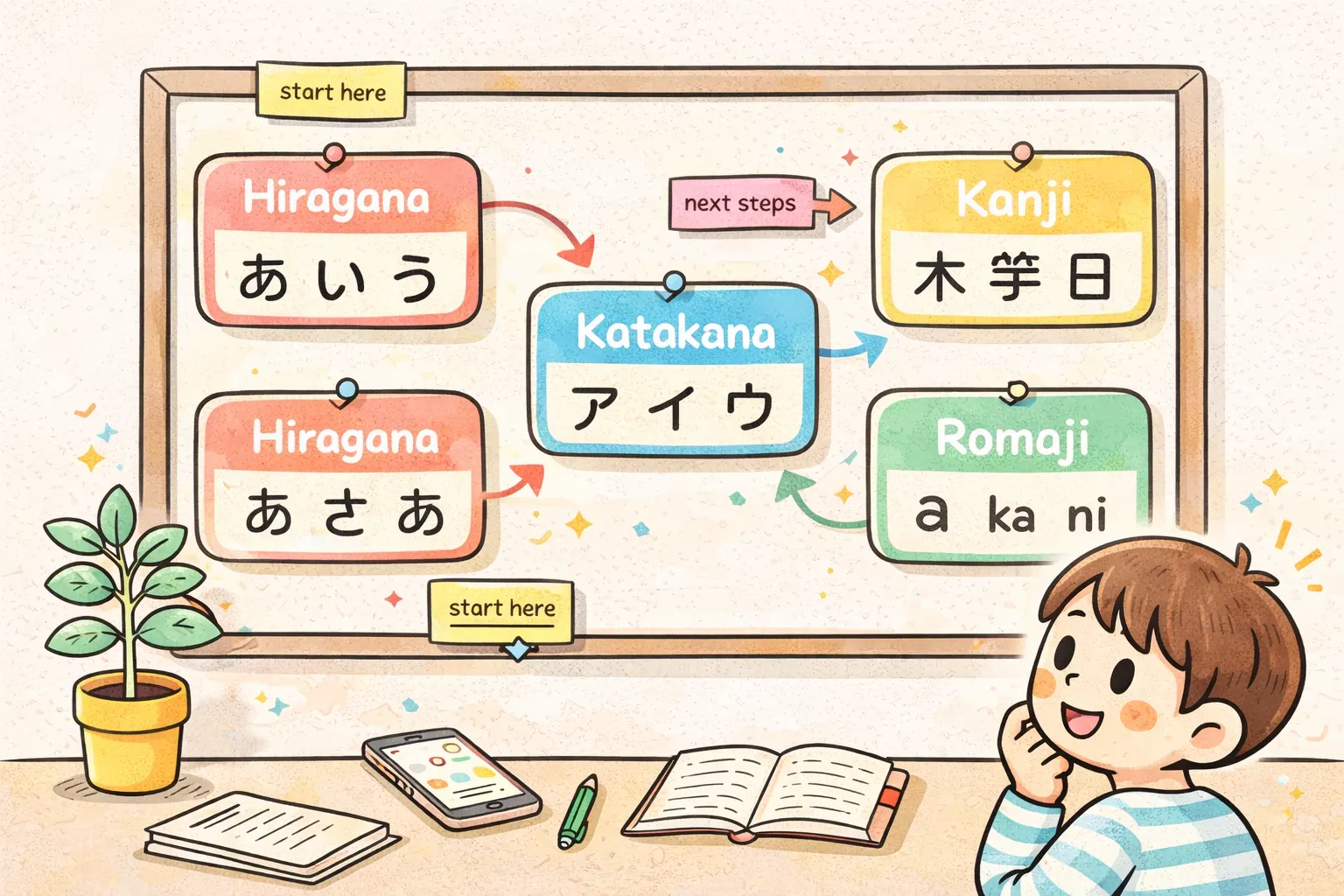
Vocabulary is not glamorous. It will not make a dramatic movie trailer. It is still one of the biggest reasons people improve.
The more words you know, the easier everything gets:
- Grammar explanations become clearer
- Reading becomes less painful
- Listening becomes less blurry
- Speaking becomes less awkward
That is why strong vocabulary work matters early.
Use spaced repetition, but do not become a card machine
| Estimated time | 2-4 hours per day, ongoing |
| What you’ll be able to do | Review vocabulary efficiently without letting flashcards take over your entire study life. |
Spaced repetition works because it shows you the right item at the right time. That is helpful. However, some learners slide into a strange lifestyle where they review hundreds of cards and forget to actually engage with Japanese.
Use SRS as a tool, not as your identity.
A simple system looks like this:
- Learn words connected to beginner kanji and grammar
- Review them daily
- Add example sentences when useful
- Drop low-value words if they waste energy
- Revisit words in reading and listening
This keeps your vocabulary rooted in real language. Therefore, it becomes easier to remember.
Learn words in context whenever possible
Single-word flashcards can help. Still, context helps more.
For example, learning 食べる as “to eat” is a good start. However, learning it inside a sentence works better, because you also see how the word behaves. You notice particles, tense, and word order at the same time.
That is why reading beginner material matters so much. Context gives vocabulary a home. In addition, if you want a smarter way to make new words stick faster, try the keyword mnemonic method. It works especially well when a word still feels slippery after a few reviews.
If you need a wider list of tools, apps, and study support, browse Japanese learning resource.
Learn Japanese grammar after you have some traction
| Estimated time | It’s a mystery |
| What you’ll be able to do | Review vocabulary efficiently without letting flashcards take over your entire study life. |
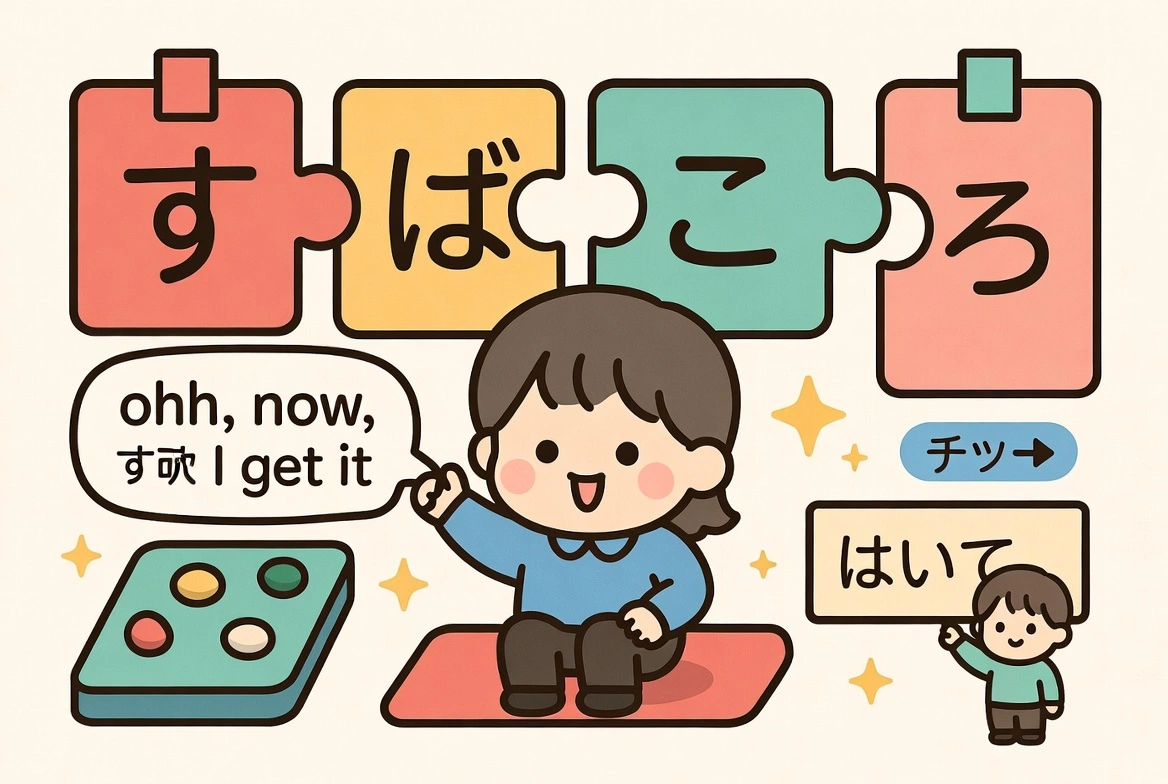
Here is a surprisingly useful idea: grammar gets easier when the words stop fighting you.
If every sentence contains unknown vocabulary, grammar feels abstract and exhausting. On the other hand, if you already know many of the words, you can focus on the pattern itself.
That is why grammar should not be the very first thing you attack with full force.
What beginner grammar really means
Beginner Japanese grammar is not about learning every rule. It is about getting comfortable with the most common patterns:
- Basic sentence structure
- Particles like は, が, を, に, で
- Verb forms
- Adjectives
- Negatives
- Past tense
- Common question forms
This is enough to start understanding real beginner content.
At this stage, your goal is not elegance. Your goal is recognition. You want to see a pattern and think, “Ah, I know what that is doing.”
Use one main grammar path
Many learners sabotage themselves by studying the same grammar point from five sources at once. This feels thorough. It often creates confusion.
Pick one main textbook, course, or structured guide. Then use other sources only when you need clarification.
A stable routine beats a perfect resource list every time.
Read grammar examples out loud
This small habit helps more than it gets credit for.
When you read example sentences aloud, you combine grammar, pronunciation, and rhythm. In addition, you start noticing what sounds natural. That matters because Japanese often feels clearer when heard, not just analyzed.
So yes, read out loud. Quietly is fine. Dramatically is optional.
Learn Japanese through reading sooner than you think
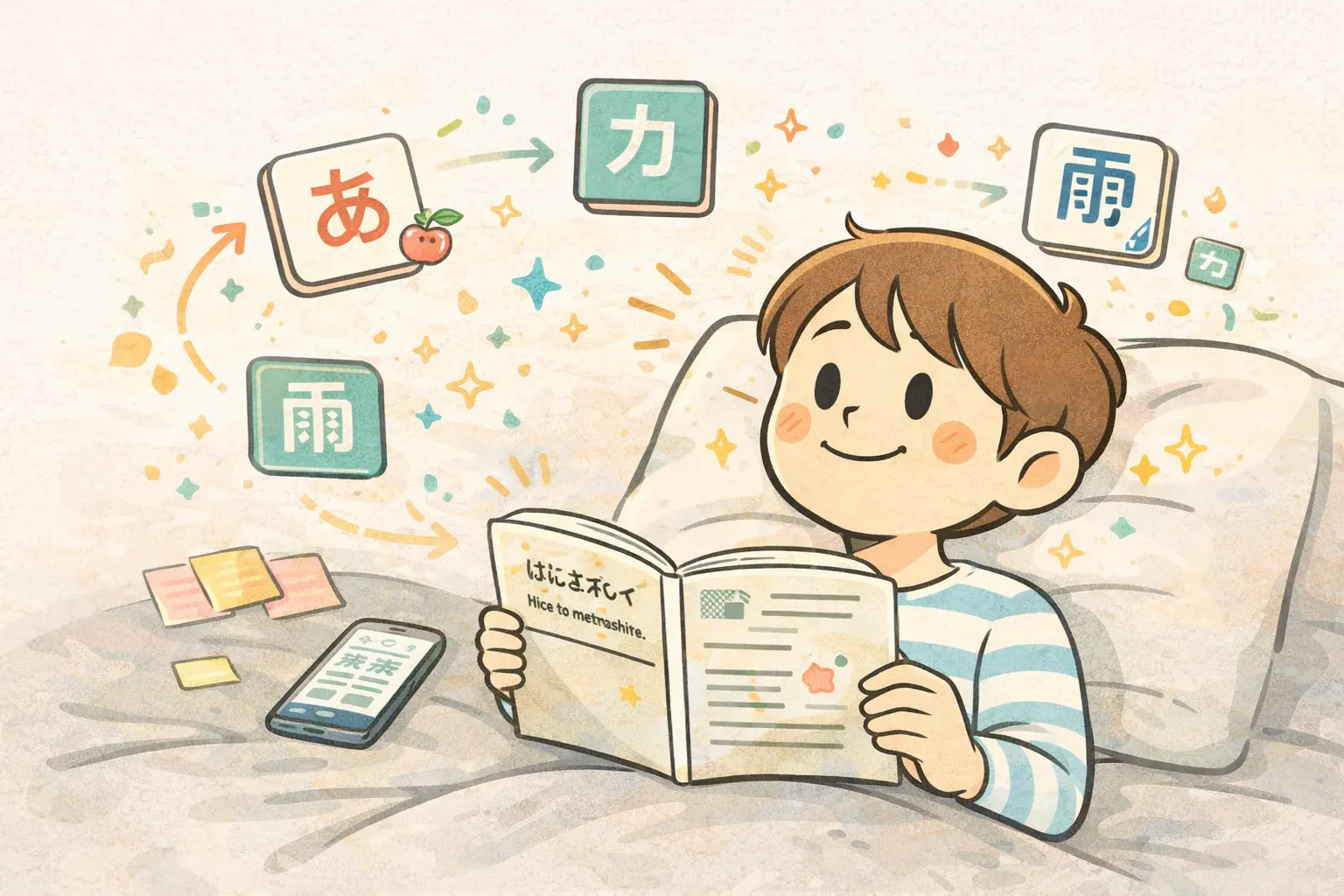
Many beginners wait too long before reading. They assume they need “more study” first. Then six months pass, and reading still feels terrifying.
Start earlier.
Not with novels. Not with legal contracts. Not with mysterious internet comments full of slang and emotional damage. Start with graded material, simple dialogues, beginner stories, and short articles designed for learners.
Why reading matters so much
Reading does three jobs at once:
- It reinforces vocabulary
- It shows grammar in motion
- It teaches you how Japanese actually looks on the page
Because of that, reading creates compound growth. A word you review in a flashcard becomes stronger when you meet it again in a sentence. Then it becomes stronger again when you hear it in audio.
That loop is where real progress happens.
What to read as a beginner
Good beginner reading material includes:
- Short dialogues
- Graded readers
- NHK Easy-style content
- Simple app-based stories
- Beginner textbook passages
Choose material that is hard enough to be useful but easy enough to finish. If every sentence feels impossible, step down a level. If every sentence feels obvious, step up.
The sweet spot is “challenging, but not soul-crushing.”
Learn Japanese listening without pretending you understand everything
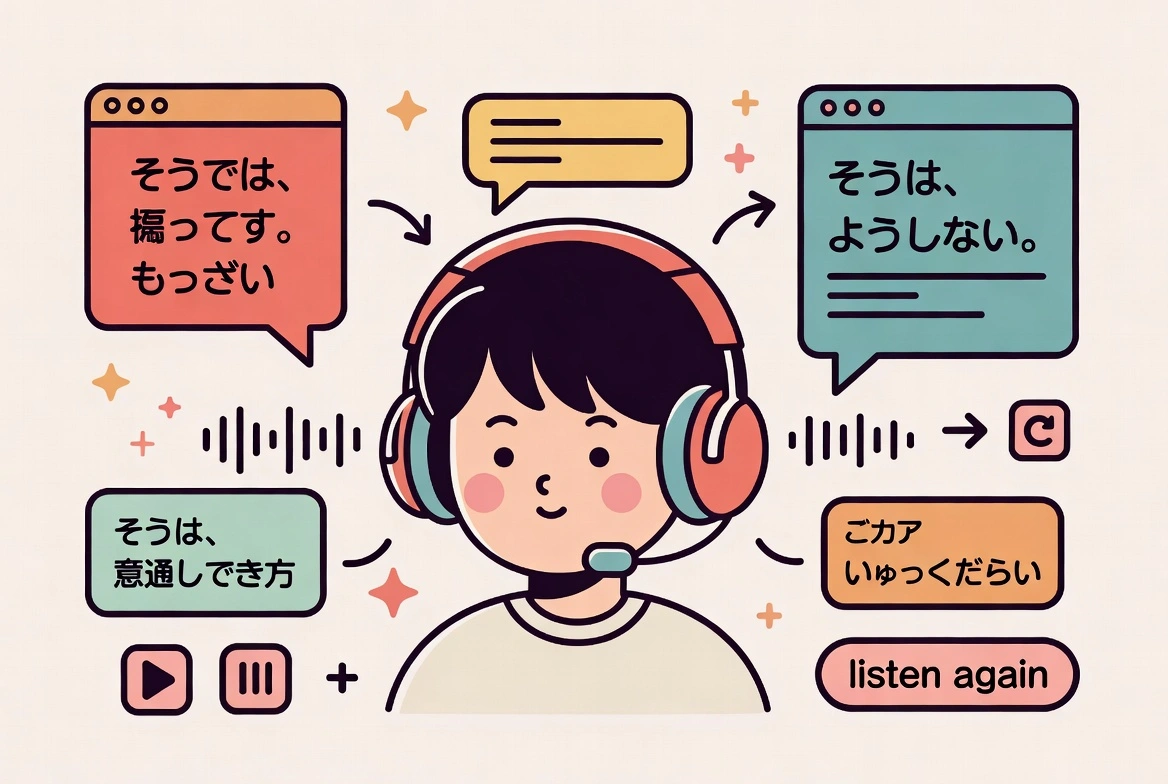
Listening is humbling. You hear native audio and suddenly discover that the words you knew on paper have entered a witness protection program.
This is normal.
Listening improves when you combine repetition, clear audio, and realistic expectations.
What beginners should do for listening
Start with short audio linked to text. Listen once without reading. Then read the script. Then listen again. This method works because it trains your ear while reducing panic.
Good listening practice includes:
- Textbook audio
- Slow native audio
- Short dialogues
- Repeated shadowing
- Sentence-by-sentence replay
In addition, focus on consistency over drama. Ten focused minutes daily helps more than one heroic two-hour session followed by five days of avoidance.
Shadowing helps, even if you feel silly
Shadowing means repeating audio shortly after you hear it. It improves timing, sound awareness, and speaking comfort.
Will you feel a little ridiculous at first? Yes.
Will it still help? Also yes.
That makes it one of the better deals in language study.
Learn Japanese speaking at the right time
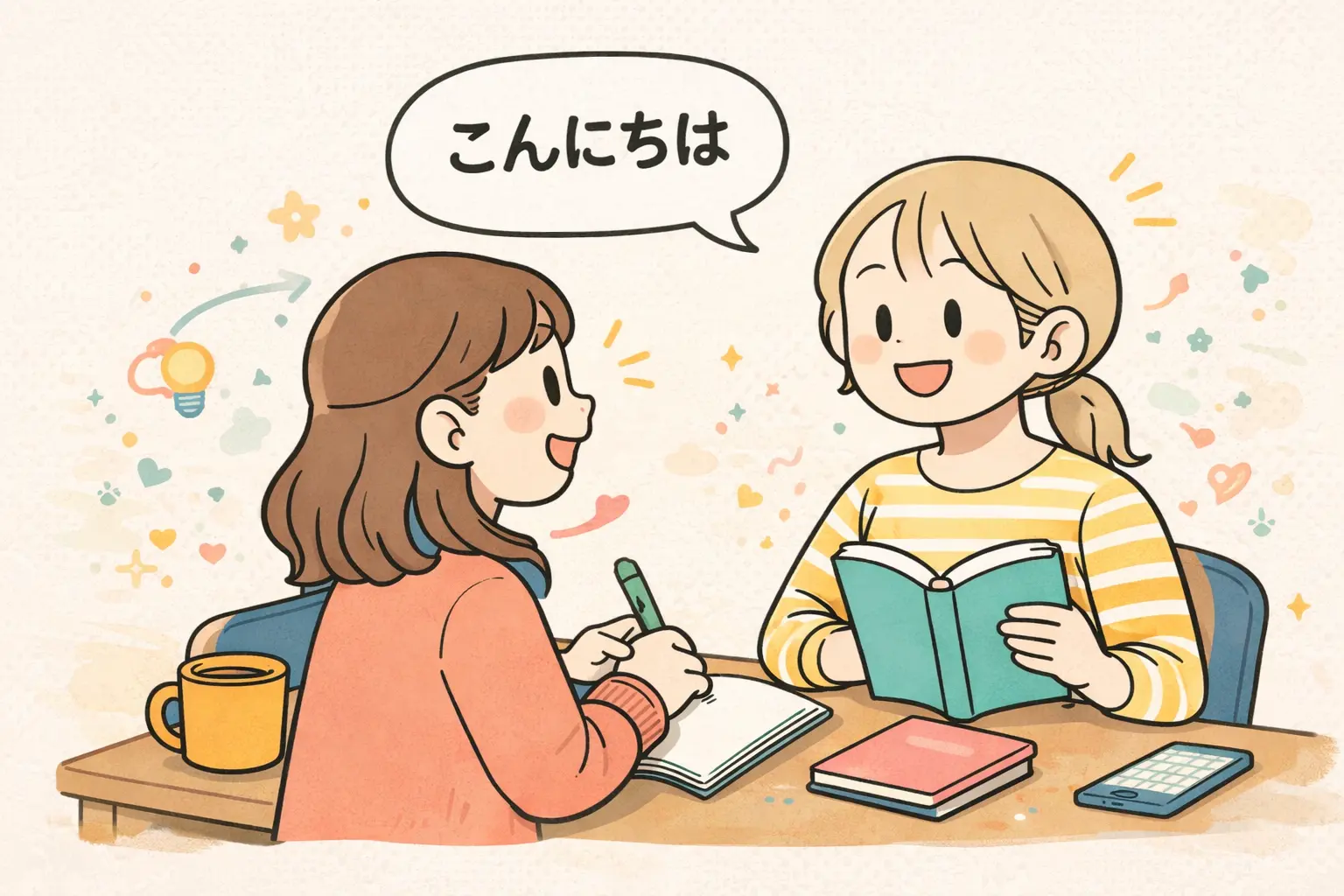
A lot of beginners worry that they are “not speaking enough.” Others force themselves into conversation too early and end up performing survival theater with twelve memorized phrases.
There is a middle path.
You do not need to wait forever. However, you also do not need to rush into advanced conversation before you can build simple sentences.
Start small, not grand
Begin with:
- Reading example sentences aloud
- Answering simple questions
- Describing your day in short lines
- Repeating useful sentence patterns
- Speaking to a tutor once you have basic vocabulary
This is enough to build confidence. As a result, speaking becomes less scary and more useful.
A tutor can help, but only if you use them well
Tutors are great for feedback, listening, accountability, and conversation practice. They are less great if you use paid time to struggle through things you could have learned alone with better preparation.
Before a tutor session, prepare:
- A few target grammar points
- A short self-introduction
- Questions you want corrected
- Vocabulary you want to use
That way, your speaking practice has direction.
Learn Japanese with a study routine you can survive
| Estimated time | 20–45 minutes daily |
| What you’ll be able to do | Follow a sustainable routine that builds progress without burning you out after two weeks. |
A good study plan is not the one that looks impressive on social media. It is the one you can keep doing when life gets busy.
That means your routine should be clear, realistic, and boring in a useful way.
A simple weekly routine for beginners
Here is a balanced model:
Daily
- 10–20 minutes kana or kanji review
- 10–20 minutes vocabulary review
- 10–15 minutes grammar or reading
- 5–10 minutes listening
A few times a week
- Read a short passage
- Practice typing Japanese
- Review mistakes
- Do one speaking or shadowing session
This kind of plan works because it spreads the load. Therefore, you keep contact with the language without burning out.
Track progress by output, not mood
Some days you will feel smart. Other days you will feel like hiragana has personally betrayed you. Mood is not a good progress metric.
Track things you can measure:
- Kana mastered
- Kanji learned
- Words reviewed
- Pages read
- Audio minutes completed
- Sentences spoken
Numbers are not everything. Still, they help when motivation gets dramatic.
Learn Japanese without making these common mistakes
| Estimated time | 5–10 minutes to review |
| What you’ll be able to do | Avoid the beginner traps that waste time, slow progress, and make Japanese feel harder than it is. |
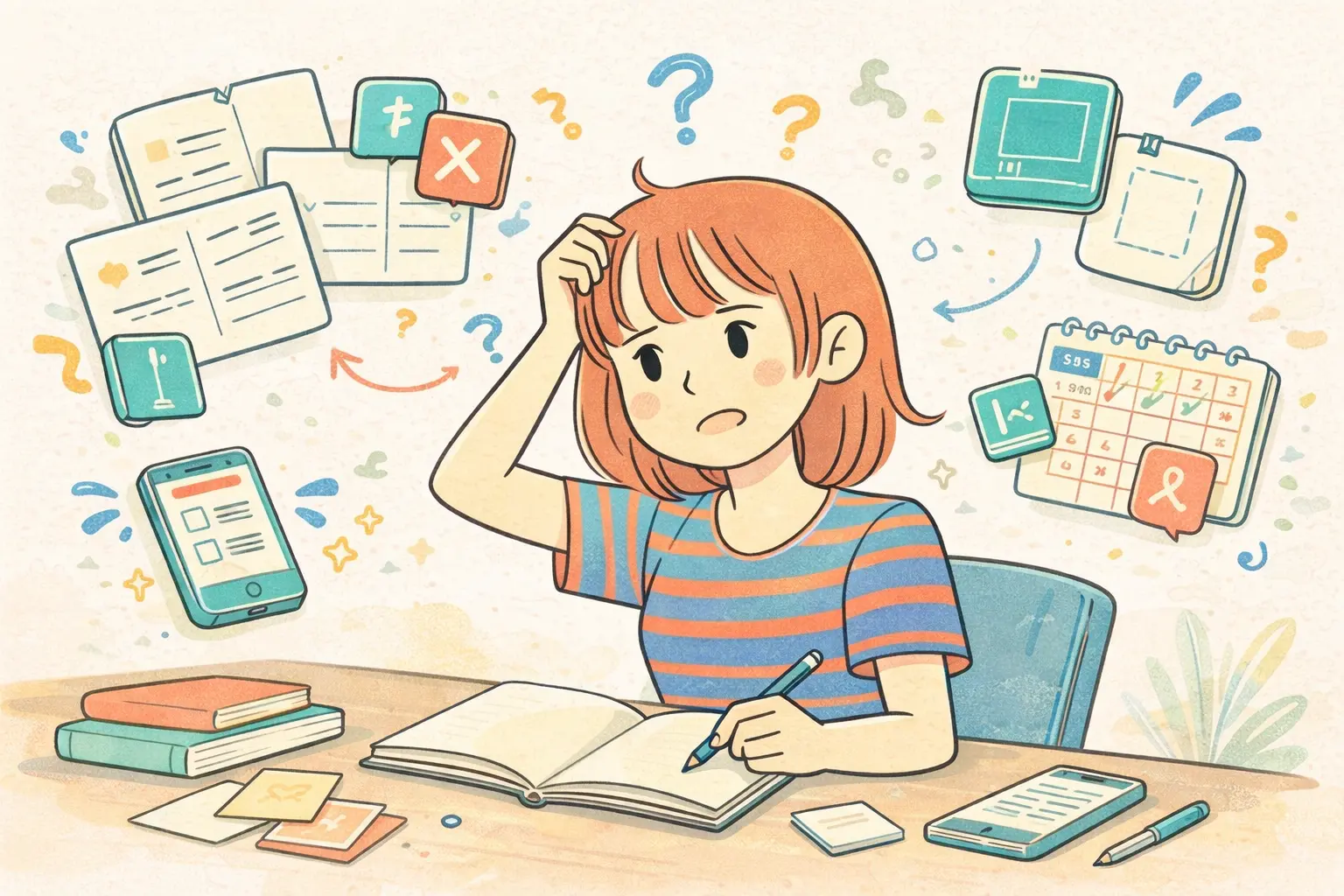
You can save a lot of time by avoiding a few classic beginner traps.
Mistake 1: Studying only what feels fun
Fun matters. However, if you only collect fun study and avoid friction, your growth becomes lopsided. For example, watching anime clips may help listening interest. It will not replace foundational reading, kanji, or grammar work.
Mistake 2: Ignoring kanji for too long
Some learners try to postpone kanji until they feel “ready.” Unfortunately, that moment often never arrives.
Start earlier. Start smaller. But start.
Mistake 3: Using too many resources
More resources do not always create more learning. Often, they create more tabs.
Pick a few tools that cover:
- Scripts
- Kanji
- Vocabulary
- Grammar
- Reading/listening
Then stick with them long enough to see results.
Mistake 4: Confusing recognition with mastery
You may recognize a word in a flashcard and still fail to understand it in a sentence. That does not mean you are failing. It means the word needs more encounters.
Recognition is a step. Mastery comes later.
Mistake 5: Expecting constant motivation
Motivation is helpful, but it is unreliable. Systems matter more.
A modest routine you repeat beats a passionate routine you abandon.
Learn Japanese with Kanji123: a practical path for beginners
If you want to keep your study focused, use resources that match the order of learning rather than scattering your attention.
A practical path could look like this:
Build your writing system foundation
Start with:
Make kanji less painful
Then move to:
Add tools and practice
After that, support your routine with:
- Japanese learning resource
- Kanji123 – Free JLPT Kanji Test Online
- MochiKana – Learn Japanese Alphabet
- Learn Kanji & Japanese Vocabulary
This gives you structure without locking you into an overly rigid plan.
Learn Japanese for the long haul, not just the first month
The first month is exciting. Everything feels new. The second and third months are where the real test begins.
That is when progress feels slower. That is when review piles up. That is when your brain starts asking if maybe learning Japanese was a “fun idea” instead of a real goal.
Keep going.
Language learning rewards boring consistency more than dramatic intensity. A learner who studies 30 minutes most days will often outperform the learner who studies four hours once, announces a new era, and then disappears.
So make your plan small enough to survive. Make it clear enough to follow. Then keep showing up.
That is the whole trick, which is slightly annoying because people prefer secret hacks.
Final thoughts: the best way to learn Japanese is to keep it moving

If you want to learn Japanese, do not chase the perfect method. Build the next useful step.
Learn hiragana. Add katakana. Start kanji before it becomes a myth. Build vocabulary that supports grammar. Read earlier than you think. Listen in small, repeatable chunks. Speak when you have enough material to say something real. Use a routine you can actually live with.
Most importantly, do not confuse slow progress with no progress.
Japanese is a long game. That is true. However, it becomes much more enjoyable once the fog starts to lift. Words stick. Patterns repeat. Sentences stop looking impossible. Then one day, you read something simple and realize: oh, this is actually working.
And that is a very good day.
FAQ: Learn Japanese
How long does it take to learn Japanese?
That depends on your goals and study time. However, most learners need months to build a solid beginner base and years to reach high fluency. The key is steady effort, not speed.
Should I learn hiragana or kanji first?
Start with hiragana first. Then add katakana soon after. Begin beginner kanji early instead of waiting too long.
Is Japanese hard for English speakers?
Japanese can feel difficult because the writing system and grammar differ a lot from English. However, a smart study order makes it much easier.
Can I learn Japanese by myself?
Yes, many learners study successfully on their own. Still, a clear roadmap, good resources, and regular review matter a lot.
What is the best way to learn Japanese vocabulary?
Use spaced repetition, learn words in context, and revisit them through reading and listening. That combination usually works better than isolated memorization alone.
© Kanji123 — Free JLPT Kanji Test Online